

- HOME >
- SKINCARE ADVICE >
- SUN SAFETY >
- THE DANGERS OF SUN TANNING

The Dangers of Sun Tanning
The idea of a "healthy tan" is a pervasive and dangerous myth. While naturally bronzed skin is seen as desirable, the reality is, tanning is a sign of skin damage caused by either the UV radiation from natural sunlight or through an artificial UV light. Pigment caused by UV exposure is a visible indication that your skin’s DNA has been adversely affected. These effects accumulate over time, significantly increasing your risk of developing skin cancer and melanoma. Whether you like it or not, there’s nothing healthy about a tan.
WHAT CAUSES THE SKIN TO TAN?
Tanning is the skin’s response to harmful UV radiation. While sun exposure can play a role in the production of vitamin D, an essential nutrient for our bodies, exposing your skin to UV radiation unprotected is never a “healthy” choice. Even shorter periods of sun exposure can have short-term adverse effects, but when you regularly tan, from the sun or through tanning beds, it has an accumulative effect on the skin that can cause more serious risks.
WHAT ARE THE EFFECTS OF UV EXPOSURE ON YOUR SKIN?
In addition to temporary sunburn that causes redness and discomfort, there are a number of risks to prolonged, frequent exposure to UVA and UVB radiation.
Compromised moisture barrier
UV rays directly affect the skin’s protective moisture barrier, which leaves your skin more sensitive and exposed to environmental aggressors like pollution and free radicals. This can translate to a range of skin concerns, including sensitivity, dryness and redness.
Photoageing
UV radiation significantly impairs collagen production and accelerates the breakdown of existing collagen and elastin fibres in the skin. These fibres are responsible for the skin’s firmness and elasticity, and UVA rays penetrate deep into the dermis generating free radicals that affect their structural integrity. When this occurs frequently, the skin struggles to keep up with new collagen and elastin production, leading to a loss of skin elasticity and the formation of fine lines and wrinkles. Premature ageing caused by UV radiation and free radicals is referred to as photoageing. Regularly exposure to UV radiation.

Hyperpigmentation (sunspots, age spots)
UV exposure triggers an increase in the skin’s pigment cells, and while it initially manifests as a tan, it can lead to an uneven distribution of pigment over time, leading to hyperpigmentation, or age spots. Sun exposure, even from childhood, can contribute to the development of these pigment changes later in life, with the accumulative effects translating to dark spots. This is why sun protection is vital for maintaining an even skin tone.
Skin cancer
One of the most serious risks that comes with tanning. UV radiation affects the DNA within the skin cells which disrupts normal cell growth and development. Over time this contributes to the formation of skin cancers like melanoma, basal cell carcinoma, and squamous cell carcinoma. The more you tan and expose yourself to UV radiation, the higher the risk of skin cancer.
Why tanning in Australia is particularly dangerous
Tanning is not recommended in any part of the globe, but tanning under the harsh Australian sun is even riskier. Australia’s clearer atmospheric conditions, proximity to the equator and the globe’s elliptical orbit mean that Australia is exposed to much higher levels of UV radiation, increasing the risk of skin cancer formation. This is why it’s even more critical that you protect your skin with sunscreen every day, even on cold or cloudy days.
There’s nothing healthy about a tan
Always prioritise sun safety your skin’s condition by protecting it against UV radiation. Though you might be tempted to encourage a “natural glow” with frequent UV radiation, the long-term risks far outweigh the apparent benefits, especially if you have lighter or pale skin. Protect your skin every day by practicing the 5 S’s of sun protection:
1. Slip on a shirt and other sun protective clothing. 2. Slop on some sunscreen. Look for high SPF, broad spectrum formulas. 3. Slap on a broad-brimmed hat. 4. Seek shade as much as possible, avoiding peak UV hours between 10am and 4pm. 5. Slide on some sunglasses to protect your eyes.
Table of Contents
SHOP THE ARTICLE
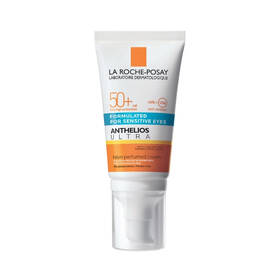
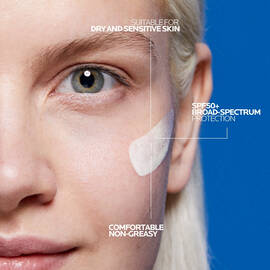

Anthelios Ultra Facial Sunscreen SPF 50+ 50ml
Lightweight Moisturising Sunscreen For Dry Sensitive Skin
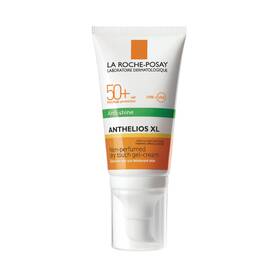
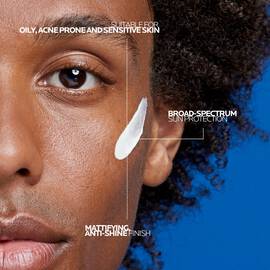
Anthelios XL Anti-Shine Dry Touch Facial Sunscreen SPF 50+ 50ml
Non-Greasy Mattifying Face Sunscreen For Oily, Acne-Prone Skin
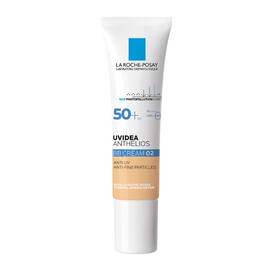
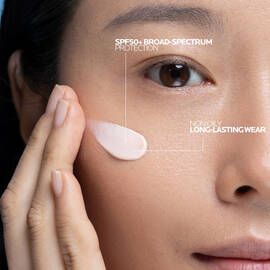

Uvidea Anthelios Tinted BB Cream SPF 50+ 30ml
BB Cream Sunscreen For Sensitive Skin
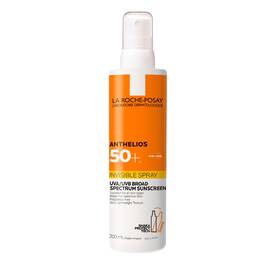
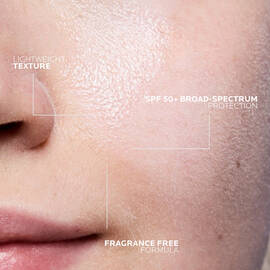
Anthelios Invisible Spray Sunscreen SPF 50+ 200ML
Lightweight Sunscreen Spray for Face & Body.
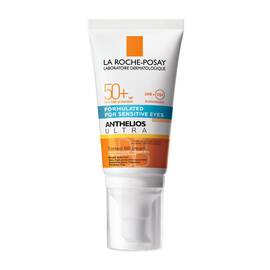
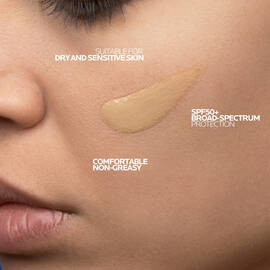
Anthelios Ultra BB Cream SPF 50+ 50ml
Hydrating BB Cream For Dry, Sensitive Skin
Uvidea Anthelios Tinted BB Cream SPF 50+ 30ml
BB Cream Sunscreen For Sensitive Skin
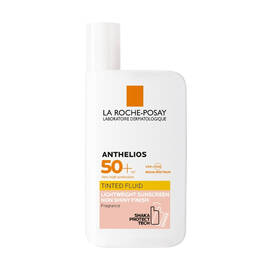
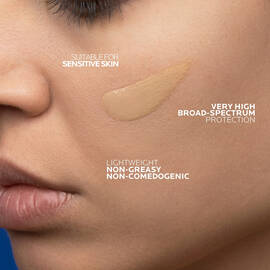
Anthelios Tinted Fluid Facial Sunscreen SPF 50+
Sheer Finish Tinted Liquid Sunscreen For Sensitive Skin
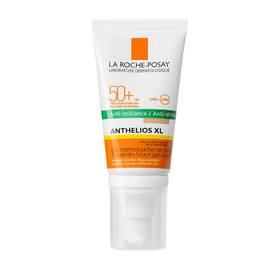
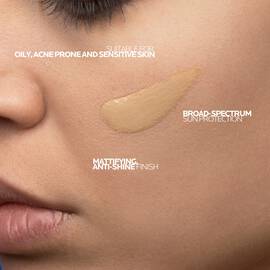
Anthelios XL Anti-Shine Dry Touch Tinted Sunscreen SPF 50+ 50ml
Mattifying Tinted Sunscreen For Face Suitable To Oily, Acne-Prone Skin
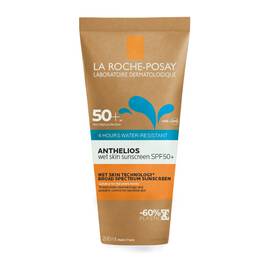
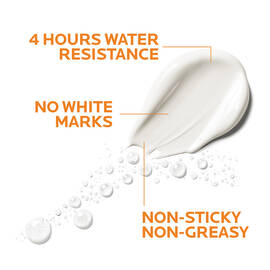
Anthelios Wet Skin Sunscreen SPF 50+
Face & Body Sunscreen For Sensitive Skin. Suitable For Children
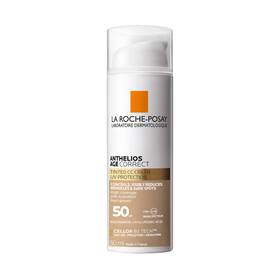
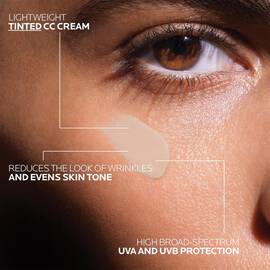
Anthelios Age Correct Tinted CC Cream SPF50
Contains 10% mineral pigment for the ultimate coverage
RELATED ARTICLES


- HOME >
- SKINCARE ADVICE >
- SUN SAFETY >
- THE DANGERS OF SUN TANNING
The Dangers of Sun Tanning
The idea of a "healthy tan" is a pervasive and dangerous myth. While naturally bronzed skin is seen as desirable, the reality is, tanning is a sign of skin damage caused by either the UV radiation from natural sunlight or through an artificial UV light. Pigment caused by UV exposure is a visible indication that your skin’s DNA has been adversely affected. These effects accumulate over time, significantly increasing your risk of developing skin cancer and melanoma. Whether you like it or not, there’s nothing healthy about a tan.
Table of Contents
What causes the skin to tan?
Tanning is the skin’s response to harmful UV radiation. While sun exposure can play a role in the production of vitamin D, an essential nutrient for our bodies, exposing your skin to UV radiation unprotected is never a “healthy” choice. Even shorter periods of sun exposure can have short-term adverse effects, but when you regularly tan, from the sun or through tanning beds, it has an accumulative effect on the skin that can cause more serious risks.
What are the effects of UV exposure on your skin?
In addition to temporary sunburn that causes redness and discomfort, there are a number of risks to prolonged, frequent exposure to UVA and UVB radiation.
Compromised moisture barrier
UV rays directly affect the skin’s protective moisture barrier, which leaves your skin more sensitive and exposed to environmental aggressors like pollution and free radicals. This can translate to a range of skin concerns, including sensitivity, dryness and redness.
Photoageing
UV radiation significantly impairs collagen production and accelerates the breakdown of existing collagen and elastin fibres in the skin. These fibres are responsible for the skin’s firmness and elasticity, and UVA rays penetrate deep into the dermis generating free radicals that affect their structural integrity. When this occurs frequently, the skin struggles to keep up with new collagen and elastin production, leading to a loss of skin elasticity and the formation of fine lines and wrinkles. Premature ageing caused by UV radiation and free radicals is referred to as photoageing. Regularly exposure to UV radiation.
Hyperpigmentation (sunspots, age spots)
UV exposure triggers an increase in the skin’s pigment cells, and while it initially manifests as a tan, it can lead to an uneven distribution of pigment over time, leading to hyperpigmentation, or age spots. Sun exposure, even from childhood, can contribute to the development of these pigment changes later in life, with the accumulative effects translating to dark spots. This is why sun protection is vital for maintaining an even skin tone.
Skin cancer
One of the most serious risks that comes with tanning. UV radiation affects the DNA within the skin cells which disrupts normal cell growth and development. Over time this contributes to the formation of skin cancers like melanoma, basal cell carcinoma, and squamous cell carcinoma. The more you tan and expose yourself to UV radiation, the higher the risk of skin cancer.
Why tanning in Australia is particularly dangerous
Tanning is not recommended in any part of the globe, but tanning under the harsh Australian sun is even riskier. Australia’s clearer atmospheric conditions, proximity to the equator and the globe’s elliptical orbit mean that Australia is exposed to much higher levels of UV radiation, increasing the risk of skin cancer formation. This is why it’s even more critical that you protect your skin with sunscreen every day, even on cold or cloudy days.
There’s nothing healthy about a tan
Always prioritise sun safety your skin’s condition by protecting it against UV radiation. Though you might be tempted to encourage a “natural glow” with frequent UV radiation, the long-term risks far outweigh the apparent benefits, especially if you have lighter or pale skin. Protect your skin every day by practicing the 5 S’s of sun protection:
1. Slip on a shirt and other sun protective clothing. 2. Slop on some sunscreen. Look for high SPF, broad spectrum formulas. 3. Slap on a broad-brimmed hat. 4. Seek shade as much as possible, avoiding peak UV hours between 10am and 4pm. 5. Slide on some sunglasses to protect your eyes.
SHOP THE ARTICLE
Anthelios Ultra Facial Sunscreen SPF 50+ 50ml
Lightweight Moisturising Sunscreen For Dry Sensitive Skin
Anthelios XL Anti-Shine Dry Touch Facial Sunscreen SPF 50+ 50ml
Non-Greasy Mattifying Face Sunscreen For Oily, Acne-Prone Skin
Uvidea Anthelios Tinted BB Cream SPF 50+ 30ml
BB Cream Sunscreen For Sensitive Skin
Anthelios Invisible Spray Sunscreen SPF 50+ 200ML
Lightweight Sunscreen Spray for Face & Body.
Anthelios Ultra BB Cream SPF 50+ 50ml
Hydrating BB Cream For Dry, Sensitive Skin
Uvidea Anthelios Tinted BB Cream SPF 50+ 30ml
BB Cream Sunscreen For Sensitive Skin
Anthelios Tinted Fluid Facial Sunscreen SPF 50+
Sheer Finish Tinted Liquid Sunscreen For Sensitive Skin
Anthelios XL Anti-Shine Dry Touch Tinted Sunscreen SPF 50+ 50ml
Mattifying Tinted Sunscreen For Face Suitable To Oily, Acne-Prone Skin
Anthelios Wet Skin Sunscreen SPF 50+
Face & Body Sunscreen For Sensitive Skin. Suitable For Children
Anthelios Age Correct Tinted CC Cream SPF50
Contains 10% mineral pigment for the ultimate coverage
RELATED ARTICLES
Stay In Touch
