


WHY IS THE AUSTRALIAN SUN SO HARSH?
Australia is famous for its warm climates and sunny weather, among its beaches and its locals’ strong outdoor lifestyle. But it’s also known to have higher UV radiation than anywhere else in the world, and some of the highest rates of melanoma, which is often coined our national cancer. Though everyone is familiar with the risks of Australia’s sun, what exactly makes Australia’s sun so much harsher compared with the rest of the world?
Does Australia have the harshest sun in the world?
Obviously, Australia shares the same sun as everywhere else in the world. But there are several unique factors that mean Australia experience much harsher ultraviolet radiation from the sun.
What is the connection between UV radiation and temperature?
It’s a common misconception that temperature and UV radiation are related, that hotter days lead to UVR. But this isn’t actually the case, and UVR can be just as high on cold days as hot days. The reason for the misconception is that during colder seasons, the geographical location is further away from the sun, so ultraviolet radiation can be lower, but you’re still exposed to UVR when it’s cold. Another reason is that we are more inclined to stay indoors during winter, so the amount of UV exposure might be lower.

What makes Australia more exposed to UV radiation?
Several factors influence Australia’s higher levels of UV exposure, including its geographical location, atmospheric conditions and heavily outdoor lifestyle.
Elliptical orbit and proximity to the equator
The equator is the widest part of the earth’s circumference, and the closest to the sun. Because Australia is so close to the equator, it experiences the most direct exposure to the sun, and some of the highest levels of UV radiation. Earth’s elliptical tilt also brings Australia closer to the sun in summer, leading to a 7-10% increase in UVR accordion to NASA
Clearer atmosphere
Thick clouds and pollution can contribute to blocking UV radiation. Australia experiences much clearer skies and lower levels of pollution than other countries in the Southern Hemisphere, contributing to harsher UV exposure.
Fewer forests and natural shade
Trees and forests provide humans with natural shade and protection against UV radiation. Australia has very few large forests, and even less natural shade in metropolitan areas.
Ozone layer
The ozone layer acts like Earth's natural sunscreen, blocking harmful UV rays from the sun. But use of human-made chemicals, like those used in old refrigerators and spray cans, has damaged this protective shield, creating a “thing patch” that allows more UV radiation to get through. While global initiatives have helped the ozone layer recover, it still contributes to higher levels of UV radiation.
Australia’s outdoor lifestyle: why is Australia’s skin cancer rate so high?
Proximity to the equator, the elliptical orbit and clearer atmospheric conditions play a major role in Australia’s higher levels of UV radiation, but all this is compounded with Australia’s notoriously outdoor lifestyle. Australia is a nation that loves sports, the beach and other outdoor activities, making us naturally more exposed to intense UV rays, especially in the summer. Combine this with many Australians neglecting sunscreen, or forgetting to reapply every two hours, there’s no wonder melanoma is considered the country’s national cancer. You can read more about Australian sun protection habits in in our 2024 study.
The importance of sun protection
Sunscreen’s importance in protecting against the harmful effects of UVA and UVB rays cannot be overstated. While sunburn is temporary, prolonged, accumulated UV exposure can lead to sunspots, solar keratosis, and, in more serious cases, skin cancer. These issues don't always appear straight away, and accumulated sun exposure from as early as childhood won’t reveal for years layer (why sunspots are also called age spots). UV radiation is (infamously) also a main contributor to accelerated skin ageing, including fine lines, wrinkles, and loss of skin elasticity.
SHOP SUN SAFETY SKINCARE
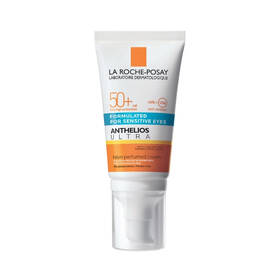
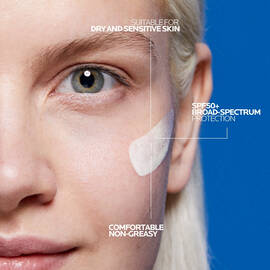

Anthelios Ultra Facial Sunscreen SPF 50+ 50ml
Lightweight Moisturising Sunscreen For Dry Sensitive Skin
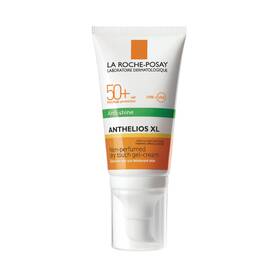
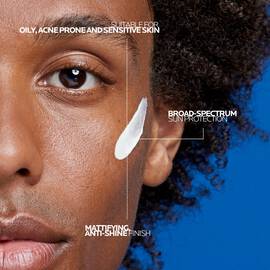
Anthelios XL Anti-Shine Dry Touch Facial Sunscreen SPF 50+ 50ml
Non-Greasy Mattifying Face Sunscreen For Oily, Acne-Prone Skin
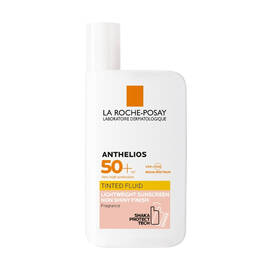
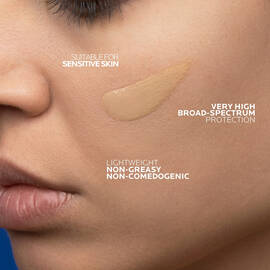
Anthelios Tinted Fluid Facial Sunscreen SPF 50+
Sheer Finish Tinted Liquid Sunscreen For Sensitive Skin
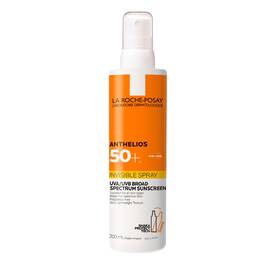
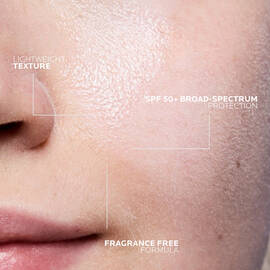
Anthelios Invisible Spray Sunscreen SPF 50+ 200ML
Lightweight Sunscreen Spray for Face & Body.
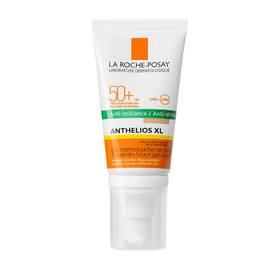
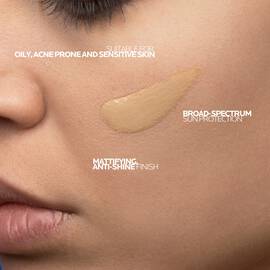
Anthelios XL Anti-Shine Dry Touch Tinted Sunscreen SPF 50+ 50ml
Mattifying Tinted Sunscreen For Face Suitable To Oily, Acne-Prone Skin
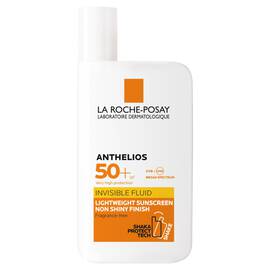
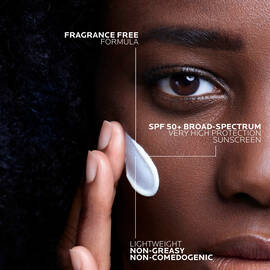
Anthelios Invisible Fluid Facial Sunscreen SPF 50+
LIGHTWEIGHT, INVISIBLE EVERYDAY FACE SUNSCREEN FOR SENSITIVE SKIN
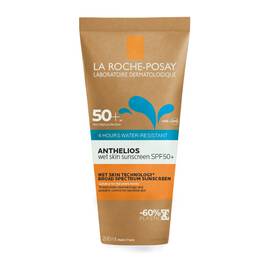
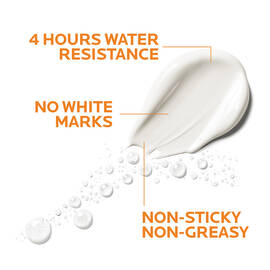
Anthelios Wet Skin Sunscreen SPF 50+
Face & Body Sunscreen For Sensitive Skin. Suitable For Children
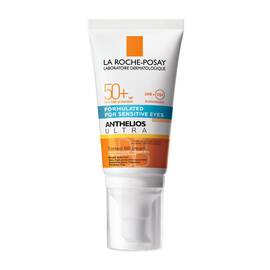
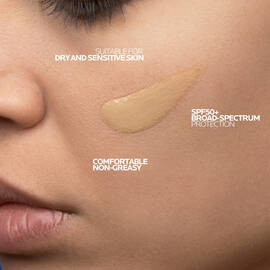
Anthelios Ultra BB Cream SPF 50+ 50ml
Hydrating BB Cream For Dry, Sensitive Skin
The 5 S’s of sun safety
The best way to protect against UV radiation is by practicing the 5 S’s of sun safety: slip, slop, slap, seek and slide:
1. Slip on sun protective clothing.
2. Slop on a broad-spectrum, high SPF sunscreen, applying 20 minutes before sun exposure and reapplying every two hours, and after swimming or sweating.
3. Slap: on a broad-brimmed hat.
4. Seek shade as much as possible, especially during peak sun hours between 10am and 4pm.
5. Slide on a pair of polarised or UV protection glasses.
Other tips for protecting against Aussie sun
1. Check UV ratings: Make a habit of checking the UV index every day. UV index can be found on the Bureau of Meteorology’s site (BOM), It’s recommended to wear sunscreen when the UV index is 3 or higher.
2. Regular skin checks: Regular skin checks are crucial for ruling out any suspicious lesions that could be cancerous or precancerous. This can include self-skin checks by monitoring any changes to existing moles or spots, or the formation of any new lesions. It’s important to also get regular skin checks from a healthcare professional, whether or not you’ve noticed any changes.
3. Be mindful of reflective surfaces, such as water, concrete, glass and polished metals that increase UV levels.
4. Understand your skin type: While everyone needs sun protection, your skin tone plays a role in the effect UV radiation has on your skin. The Fitzpatrick Skin Chart, created by ARPANSA provides guidance on how to identify for your skin type and response to UV radiation.


