

- HOME >
- SKINCARE ADVICE >
- SKINCARE INGREDIENTS >
- THE BENEFITS OF VITAMIN A FOR SKIN

The Benefits of Vitamin A for Skin
If we asked you to produce a list of the most well-known skincare ingredients, we’d wager that vitamin A wouldn’t be anywhere on it. But we have vitamin A to thank for what is arguably the most renowned anti-ageing and acne-fighting ingredient: retinol.
So, how does vitamin A help skin?
In this ingredient deep dive, we’re going to examine vitamin A benefits for skin, how it differs from our understanding of retinol, and how to incorporate it into your skincare routine to promote smoother, firmer, brighter-looking skin.
What is vitamin A?
As a nutrient, vitamin A is crucial for healthy vision, immune function, reproduction, and cellular growth1. However, vitamin A isn’t something the body produces on its own; it must be obtained through diet. This is either through certain animal foods as preformed vitamin A (which is ready for absorption) or through orange, green, and yellow vegetables as provitamin A carotenoids (which your body converts into vitamin A).
Vitamin A derivatives, known as retinoids, are formulated for topical use on the skin. Retinoids you might already be familiar with include retinol, retinaldehyde, and retinoic acid (tretinoin). These vitamin A derivatives all vary in potency, and some forms (like tretinoin) are available through prescription only.
What does vitamin A do for skin?
In its derivative forms, using vitamin A for skin encourages your natural skin cell turnover and stimulates collagen synthesis. These qualities make vitamin A a powerful ingredient for clearing clogged pores in acne-prone skin and targeting visible ageing concerns – specifically, fine lines and wrinkles, loss of firmness and elasticity, dullness, and hyperpigmentation.
Vitamin A benefits for skin
Vitamin A skincare is highly effective in smoothing the appearance of both textural and tonal skin concerns.
From reducing the depth of fine lines to regulating excessive sebum production and unifying skin tone, we’re going to explore the key benefits of vitamin A for skin below.
Helps reduce the appearance of fine lines and wrinkles
Collagen production naturally declines with age, which turns dynamic fine lines and wrinkles static – meaning they’re visible even when the face is relaxed. Using vitamin A for skin prompts the body to produce more collagen, thereby diminishing the appearance of existing wrinkles and keeping the skin resilient against future ones.
Another biological function that slows with age: skin cell turnover. The average skin renewal cycle for a young adult is 28 days, but this can stretch out to more than 45 days once you reach your fifties.
Sluggish skin cell turnover means older skin cells sit on the surface for longer, emphasising visible fine lines and wrinkles. However, a gentle nudge from vitamin A skincare can help encourage these older skin cells to move towards the surface so newer, smoother skin cells can take their place.
Targets acne-prone skin
One of the most important vitamin A uses for skin is tackling one of the major causes of acne-prone skin: clogged pores. When excess sebum and dead skin cells get trapped in pores, they result in blackheads and whiteheads.
Thankfully, vitamin A-infused skincare can help regulate overactive oil production and encourage skin cell turnover to help prevent a buildup of dead skin cells. By neutralising the factors that contribute to acne, vitamin A helps promote smoother, clearer-looking skin.
Firms and tightens skin
Over time, age-related collagen and elastin loss leads to skin sagging – like loose neck skin, marionette lines, and droopy eyelids. An important part of what vitamin A does for skin is signalling to dermal fibroblasts – the specialised cells that produce collagen and elastin in the dermis (the skin’s middle layer)2. By increasing collagen and elastin production in the dermis, vitamin A can help promote firmer skin and improve elasticity.
Improves dullness and hyperpigmentation
We’ve already touched on using vitamin A for skin cell turnover for textural skin concerns, but it’s also highly effective for evening out skin tone, brightening dull skin, and managing various types of hyperpigmentation – including post-acne marks.
Boosting skin cell renewal helps fade the appearance of existing dark spots by encouraging pigmented skin cells to the outermost layer of the skin where they shed and get replaced by newer, fresher skin cells.
How to use vitamin A in your skincare routine
Since some vitamin A derivatives like retinaldehyde and tretinoin are stronger than others – and therefore more likely to cause sensitivity – we recommend starting with a low-concentration retinol.
The La Roche-Posay Redermic Retinol Anti-Ageing Cream Gel contains 0.3% retinol combined with a progressive release system to minimise potential discomfort and sensitisation in less tolerant skin types – like sensitive skin.
Although less potent than some of its retinoid counterparts, retinol does still make the skin more susceptible to dryness and photodamage. That’s why we recommend upping your hydration practices with a barrier repair cream like the Cicaplast Baume B5+ Balm Cream and protecting the skin from UV exposure with the Anthelios Ultra Facial Sunscreen SPF 50+.
If you are primarily using vitamin A for skin concerns like fine lines and loss of firmness, we encourage you to consider a powerful anti-ageing duo: peptides and retinol.
SHOP PRODUCTS IN THIS ARTICLE


Redermic Retinol Anti-Ageing Cream Gel 30ml
Anti-Ageing Retinol Moisturiser For Wrinkle & Age Spots
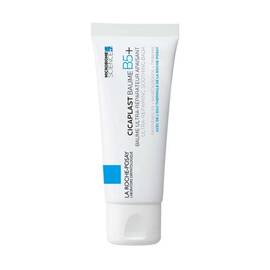
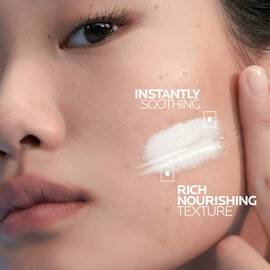
Cicaplast Baume B5+ Balm Cream
Multi-Repairing Hydrating Balm For Dry Skin
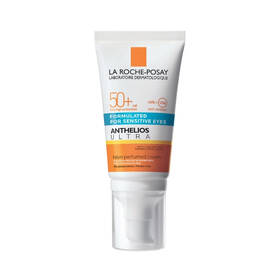
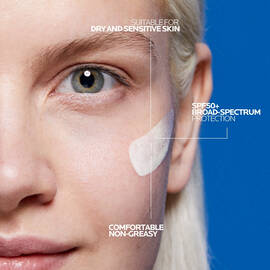

Anthelios Ultra Facial Sunscreen SPF 50+ 50ml
Lightweight Moisturising Sunscreen For Dry Sensitive Skin
RELATED ARTICLES


- HOME >
- SKINCARE ADVICE >
- SKINCARE INGREDIENTS >
- THE BENEFITS OF VITAMIN A FOR SKIN
The Benefits of Vitamin A for Skin
Last Updated: 17 June 2026
If we asked you to produce a list of the most well-known skincare ingredients, we’d wager that vitamin A wouldn’t be anywhere on it. But we have vitamin A to thank for what is arguably the most renowned anti-ageing and acne-fighting ingredient: retinol.
So, how does vitamin A help skin?
In this ingredient deep dive, we’re going to examine vitamin A benefits for skin, how it differs from our understanding of retinol, and how to incorporate it into your skincare routine to promote smoother, firmer, brighter-looking skin.
What is vitamin A?
As a nutrient, vitamin A is crucial for healthy vision, immune function, reproduction, and cellular growth1. However, vitamin A isn’t something the body produces on its own; it must be obtained through diet. This is either through certain animal foods as preformed vitamin A (which is ready for absorption) or through orange, green, and yellow vegetables as provitamin A carotenoids (which your body converts into vitamin A).
Vitamin A derivatives, known as retinoids, are formulated for topical use on the skin. Retinoids you might already be familiar with include retinol, retinaldehyde, and retinoic acid (tretinoin). These vitamin A derivatives all vary in potency, and some forms (like tretinoin) are available through prescription only.
What does vitamin A do for skin?
In its derivative forms, using vitamin A for skin encourages your natural skin cell turnover and stimulates collagen synthesis. These qualities make vitamin A a powerful ingredient for clearing clogged pores in acne-prone skin and targeting visible ageing concerns – specifically, fine lines and wrinkles, loss of firmness and elasticity, dullness, and hyperpigmentation.
Vitamin A benefits for skin
Vitamin A skincare is highly effective in smoothing the appearance of both textural and tonal skin concerns.
From reducing the depth of fine lines to regulating excessive sebum production and unifying skin tone, we’re going to explore the key benefits of vitamin A for skin below.
Helps reduce the appearance of fine lines and wrinkles
Collagen production naturally declines with age, which turns dynamic fine lines and wrinkles static – meaning they’re visible even when the face is relaxed. Using vitamin A for skin prompts the body to produce more collagen, thereby diminishing the appearance of existing wrinkles and keeping the skin resilient against future ones.
Another biological function that slows with age: skin cell turnover. The average skin renewal cycle for a young adult is 28 days, but this can stretch out to more than 45 days once you reach your fifties.
Sluggish skin cell turnover means older skin cells sit on the surface for longer, emphasising visible fine lines and wrinkles. However, a gentle nudge from vitamin A skincare can help encourage these older skin cells to move towards the surface so newer, smoother skin cells can take their place.
Targets acne-prone skin
One of the most important vitamin A uses for skin is tackling one of the major causes of acne-prone skin: clogged pores. When excess sebum and dead skin cells get trapped in pores, they result in blackheads and whiteheads.
Thankfully, vitamin A-infused skincare can help regulate overactive oil production and encourage skin cell turnover to help prevent a buildup of dead skin cells. By neutralising the factors that contribute to acne, vitamin A helps promote smoother, clearer-looking skin.
Firms and tightens skin
Over time, age-related collagen and elastin loss leads to skin sagging – like loose neck skin, marionette lines, and droopy eyelids. An important part of what vitamin A does for skin is signalling to dermal fibroblasts – the specialised cells that produce collagen and elastin in the dermis (the skin’s middle layer)2. By increasing collagen and elastin production in the dermis, vitamin A can help promote firmer skin and improve elasticity.
Improves dullness and hyperpigmentation
We’ve already touched on using vitamin A for skin cell turnover for textural skin concerns, but it’s also highly effective for evening out skin tone, brightening dull skin, and managing various types of hyperpigmentation – including post-acne marks.
Boosting skin cell renewal helps fade the appearance of existing dark spots by encouraging pigmented skin cells to the outermost layer of the skin where they shed and get replaced by newer, fresher skin cells.
How to use vitamin A in your skincare routine
Since some vitamin A derivatives like retinaldehyde and tretinoin are stronger than others – and therefore more likely to cause sensitivity – we recommend starting with a low-concentration retinol.
The La Roche-Posay Redermic Retinol Anti-Ageing Cream Gel contains 0.3% retinol combined with a progressive release system to minimise potential discomfort and sensitisation in less tolerant skin types – like sensitive skin.
Although less potent than some of its retinoid counterparts, retinol does still make the skin more susceptible to dryness and photodamage. That’s why we recommend upping your hydration practices with a barrier repair cream like the Cicaplast Baume B5+ Balm Cream and protecting the skin from UV exposure with the Anthelios Ultra Facial Sunscreen SPF 50+.
If you are primarily using vitamin A for skin concerns like fine lines and loss of firmness, we encourage you to consider a powerful anti-ageing duo: peptides and retinol.
SHOP PRODUCTS IN THIS ARTICLE
Redermic Retinol Anti-Ageing Cream Gel 30ml
Anti-Ageing Retinol Moisturiser For Wrinkle & Age Spots
Cicaplast Baume B5+ Balm Cream
Multi-Repairing Hydrating Balm For Dry Skin
Anthelios Ultra Facial Sunscreen SPF 50+ 50ml
Lightweight Moisturising Sunscreen For Dry Sensitive Skin
RELATED ARTICLES
Stay In Touch
