

- HOME >
- SKINCARE ADVICE >
- ANTI-AGEING SKIN CARE >
- What Red Light Therapy Does for Your Skin

What Red Light Therapy Does for Your Skin – and How to Support Results with Skincare
You’ve probably seen red light therapy masks popping up on your social media feed or the treatment menu at your local wellness clinic, but the benefits of infrared light are often cloaked in mystery.
Which begs the question: what does red light therapy do?
Red light therapy is designed to stimulate your skin’s cellular function, which can help manage a variety of skin concerns. However, red light therapy is most effective when paired with supportive skincare products and ingredients.
In this guide, we’ll unpack red light therapy’s benefits, along with skincare strategies that foster your skin’s natural recovery processes.
What is red light therapy?
Red light therapy, also known as ‘photobiomodulation’, is a low-level or low-power laser therapy. This non-invasive treatment uses a continuous beam of red light to target specific areas of the skin.
Professional red light therapy treatments are often panels, beds, wands, or face masks at dermatology clinics and specialised cosmetic and wellness clinics. For personal use, at-home face mask devices are the most common form of red light therapy, though they are less powerful than professional-grade machines.
What Does Red Light Therapy Do?
Red light therapy uses low-level wavelengths of red light to penetrate the epidermis and reach the dermis (your skin’s middle layer) to catalyse cellular function, improve microcirculation, and facilitate healing.
Part of the body’s response to red light therapy is how it stimulates fibroblasts, which are responsible for synthesising structural proteins like collagen and elastin in the dermis1. This is why you’ll see red light therapy primarily used for anti-ageing purposes to improve skin firmness and elasticity.
Red light therapy can also be used to manage mild acne-prone skin and mitigate discomfort caused by sensitisation.
1https://pmc.ncbi.nlm.nih.gov/articles/PMC10311288/
4 red light therapy benefits
While infrared red light therapy benefits are still being fully realised, red light therapy treatments are being used to improve the appearance of:
• Textural concerns like fine lines, wrinkles, and sagging skin.
• Inflammatory skin concerns such as acne, rosacea, eczema-prone skin, and sensitisation from a damaged skin moisture barrier.
• Uneven skin tone and facial redness
• Dark spots, age spots, post-blemish marks, and stretch marks.
After red light therapy, your skin is also at its most “receptive”, which means it can help prime the skin for optimal product absorption – which is where your supportive skincare routine comes into play.
How to combine red light therapy with your skincare routine
Red light therapy benefits are difficult to quantify, and these types of treatments shouldn’t be used in isolation. They should complement your skincare routine – not replace it. If you are opting in for red light therapy, you can support your skin’s natural cellular function and healing with protective skincare habits and moisture-locking products.
Below, we’ve developed a skincare routine that you can use as a baseline – alongside red light therapy treatments to support their effects.
Cleanse before treatment
Before any type of red light therapy treatment, your skin should be clean and dry to allow for optimal red light penetration. Be sure to wash your face using a cleanser that’s suited to your skin type, then leave your skin completely bare. If you apply products to your skin after cleansing, they can act as a barrier to light – impeding the benefits of red light therapy.
Support brightening benefits with vitamin C
Red light therapy encourages brighter, more even skin tone and collagen synthesis, and you can support this process by incorporating a complementary skincare ingredient like vitamin C into your routine.
If your skin isn’t overly sensitive, you can apply the Vitamin C 12 Brightening Serum after your red light therapy session to further boost the skin’s radiance, diminish the appearance of discolouration, and stimulate collagen production.
Follow with a gentle, hydrating serum
While less common, red light therapy can cause tightness and dryness in the skin – a natural byproduct of stimulating cellular turnover.
That’s why we recommend following your session with a water-based serum like Toleriane Ultra Dermallergo Hydrating Serum. Potent actives can feel harsh on the skin post-red light therapy, but this serum is formulated with gentle ingredients glycerin and neurosensine to comfort the skin and boost hydration
Seal in hydration with a moisturiser
After experiencing the benefits of red light therapy treatments, it’s important to focus on reinforcing the skin moisture barrier. This protective lipid layer is responsible for keeping out harmful pollutants and preventing transepidermal water loss (TEWL), so neglecting moisturiser in your post-red light therapy care can undermine your results.
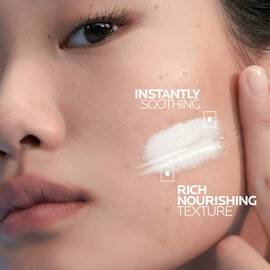
You can lock in moisture with the Cicaplast Baume B5+ Balm Cream, our intensely hydrating moisturiser that supports skin recovery and skin moisture barrier integrity. Dermatologically tested for sensitive skin, this vitamin B5 cream is also suitable for post-procedure skin.
Don't neglect your daily SPF
Red light therapy benefits are all for naught without one integral skincare step: SPF application. So much of anti-ageing skincare is contingent on sun protection, which is why it’s vital to ensure you are applying SPF every morning at the end of your skincare routine.
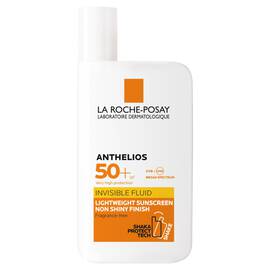
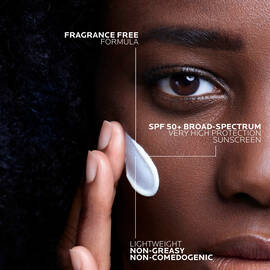
Keep your skin protected from UVA and UVB rays with a broad-spectrum sunscreen like our Anthelios Invisible Fluid Facial Sunscreen SPF 50+.
ALWAYS READ THE LABEL. FOLLOW THE DIRECTIONS FOR USE.
Apply 20 minutes before sun exposure. Sunscreen is only one part of sun protection so wear protective clothing and seek shade. Avoid prolonged sun exposure. Reapply every 2 hours and after swimming, towelling and perspiring in accordance with directions.
Red light therapy benefits mature and ageing skin, but if you are opting for the treatment-free route, we suggest a skincare routine that focuses on hydration, brightening, and protecting. You’ll find our expert anti-ageing skincare 101 guide here
SHOP THE PRODUCTS IN THIS ARTICLE
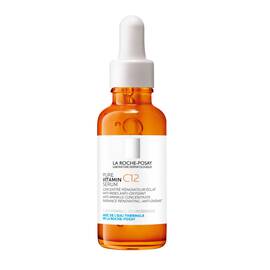
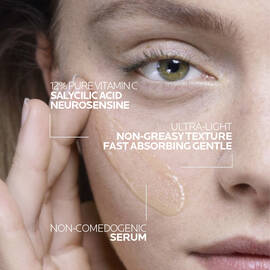

Vitamin C 12 Brightening Serum
Vitamin C Anti-Wrinkle Serum For Sensitive Skin
.jpg?sw=270&sfrm=jpg&q=70)
Toleriane Ultra Dermallergo Hydrating Serum 30ml
Peptide Serum For Sensitive Skin Prone To Allergy, Formulated To Reduce Skin Redness & Irritation
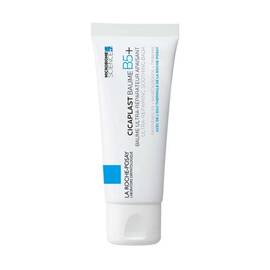
Cicaplast Baume B5+ Balm Cream
Multi-Repairing Hydrating Balm For Dry Skin

Anthelios Invisible Fluid Facial Sunscreen SPF 50+
LIGHTWEIGHT, INVISIBLE EVERYDAY FACE SUNSCREEN FOR SENSITIVE SKIN
RELATED ANTI-AGEING ARTICLES


- HOME >
- SKINCARE ADVICE >
- ANTI-AGEING SKIN CARE >
- What Red Light Therapy Does for Your Skin
What Red Light Therapy Does for Your Skin – and How to Support Results with Skincare
You’ve probably seen red light therapy masks popping up on your social media feed or the treatment menu at your local wellness clinic, but the benefits of infrared light are often cloaked in mystery.
Which begs the question: what does red light therapy do?
Red light therapy is designed to stimulate your skin’s cellular function, which can help manage a variety of skin concerns. However, red light therapy is most effective when paired with supportive skincare products and ingredients.
In this guide, we’ll unpack red light therapy’s benefits, along with skincare strategies that foster your skin’s natural recovery processes.
What is red light therapy?
Red light therapy, also known as ‘photobiomodulation’, is a low-level or low-power laser therapy. This non-invasive treatment uses a continuous beam of red light to target specific areas of the skin.
Professional red light therapy treatments are often panels, beds, wands, or face masks at dermatology clinics and specialised cosmetic and wellness clinics. For personal use, at-home face mask devices are the most common form of red light therapy, though they are less powerful than professional-grade machines.
What Does Red Light Therapy Do?
Red light therapy uses low-level wavelengths of red light to penetrate the epidermis and reach the dermis (your skin’s middle layer) to catalyse cellular function, improve microcirculation, and facilitate healing.
Part of the body’s response to red light therapy is how it stimulates fibroblasts, which are responsible for synthesising structural proteins like collagen and elastin in the dermis1. This is why you’ll see red light therapy primarily used for anti-ageing purposes to improve skin firmness and elasticity.
Red light therapy can also be used to manage mild acne-prone skin and mitigate discomfort caused by sensitisation.
1https://pmc.ncbi.nlm.nih.gov/articles/PMC10311288/
4 red light therapy benefits
While infrared red light therapy benefits are still being fully realised, red light therapy treatments are being used to improve the appearance of:
• Textural concerns like fine lines, wrinkles, and sagging skin.
• Inflammatory skin concerns such as acne, rosacea, eczema-prone skin, and sensitisation from a damaged skin moisture barrier.
• Uneven skin tone and facial redness
• Dark spots, age spots, post-blemish marks, and stretch marks.
After red light therapy, your skin is also at its most “receptive”, which means it can help prime the skin for optimal product absorption – which is where your supportive skincare routine comes into play.
How to combine red light therapy with your skincare routine
Red light therapy benefits are difficult to quantify, and these types of treatments shouldn’t be used in isolation. They should complement your skincare routine – not replace it. If you are opting in for red light therapy, you can support your skin’s natural cellular function and healing with protective skincare habits and moisture-locking products.
Below, we’ve developed a skincare routine that you can use as a baseline – alongside red light therapy treatments to support their effects.
Cleanse before treatment
Before any type of red light therapy treatment, your skin should be clean and dry to allow for optimal red light penetration. Be sure to wash your face using a cleanser that’s suited to your skin type, then leave your skin completely bare. If you apply products to your skin after cleansing, they can act as a barrier to light – impeding the benefits of red light therapy.
Support brightening benefits with vitamin C
Red light therapy encourages brighter, more even skin tone and collagen synthesis, and you can support this process by incorporating a complementary skincare ingredient like vitamin C into your routine.
If your skin isn’t overly sensitive, you can apply the Vitamin C 12 Brightening Serum after your red light therapy session to further boost the skin’s radiance, diminish the appearance of discolouration, and stimulate collagen production.
Follow with a gentle, hydrating serum
While less common, red light therapy can cause tightness and dryness in the skin – a natural byproduct of stimulating cellular turnover.
That’s why we recommend following your session with a water-based serum like Toleriane Ultra Dermallergo Hydrating Serum. Potent actives can feel harsh on the skin post-red light therapy, but this serum is formulated with gentle ingredients glycerin and neurosensine to comfort the skin and boost hydration
Seal in hydration with a moisturiser
After experiencing the benefits of red light therapy treatments, it’s important to focus on reinforcing the skin moisture barrier. This protective lipid layer is responsible for keeping out harmful pollutants and preventing transepidermal water loss (TEWL), so neglecting moisturiser in your post-red light therapy care can undermine your results.
You can lock in moisture with the Cicaplast Baume B5+ Balm Cream, our intensely hydrating moisturiser that supports skin recovery and skin moisture barrier integrity. Dermatologically tested for sensitive skin, this vitamin B5 cream is also suitable for post-procedure skin.
Don't neglect your daily SPF
Red light therapy benefits are all for naught without one integral skincare step: SPF application. So much of anti-ageing skincare is contingent on sun protection, which is why it’s vital to ensure you are applying SPF every morning at the end of your skincare routine.
Keep your skin protected from UVA and UVB rays with a broad-spectrum sunscreen like our Anthelios Invisible Fluid Facial Sunscreen SPF 50+.
ALWAYS READ THE LABEL. FOLLOW THE DIRECTIONS FOR USE.
Apply 20 minutes before sun exposure. Sunscreen is only one part of sun protection so wear protective clothing and seek shade. Avoid prolonged sun exposure. Reapply every 2 hours and after swimming, towelling and perspiring in accordance with directions.
Red light therapy benefits mature and ageing skin, but if you are opting for the treatment-free route, we suggest a skincare routine that focuses on hydration, brightening, and protecting. You’ll find our expert anti-ageing skincare 101 guide here
SHOP THE PRODUCTS IN THIS ARTICLE
Vitamin C 12 Brightening Serum
Vitamin C Anti-Wrinkle Serum For Sensitive Skin
Toleriane Ultra Dermallergo Hydrating Serum 30ml
Peptide Serum For Sensitive Skin Prone To Allergy, Formulated To Reduce Skin Redness & Irritation
Cicaplast Baume B5+ Balm Cream
Multi-Repairing Hydrating Balm For Dry Skin
Anthelios Invisible Fluid Facial Sunscreen SPF 50+
LIGHTWEIGHT, INVISIBLE EVERYDAY FACE SUNSCREEN FOR SENSITIVE SKIN
