

- HOME >
- SKINCARE ADVICE >
- WHAT IS SKIN CELL TURNOVER?

What is Skin Cell Turnover – and How Can You Support it With the Right Skincare Routine?
Skin cell turnover is one of your skin’s natural biological processes, and it’s this cycle of cell regeneration that informs the appearance and texture of your skin.
However, there are a wealth of internal and external factors that can disrupt or slow down your skin renewal cycle. When this happens, dead skin cells accumulate on the outermost layer of the skin: resulting in a dull complexion, clogged pores, and deeper textural concerns.
In this guide, we’ll be examining the function of the skin’s renewal cycle – and how the right skincare intervention and lifestyle habits can stimulate sluggish skin cell turnover.
What is skin cell turnover?
Skin cell turnover is your skin’s natural renewal cycle where your skin produces new skin cells in the deepest layer of the epidermis (the basal layer) to replace dead skin cells that are shed at the skin surface.1
Consistent cellular turnover plays an essential function in your skin’s texture, appearance, and resilience. Your skin renewal cycle is also responsible for maintaining a robust skin moisture barrier – which helps protect deeper, more vulnerable layers of the skin against external aggressors such as UV rays and pollutants.
How long is the skin renewal cycle?
Each skin cell operates on its own life cycle, and the rate of cell turnover is dictated by factors like age, sun exposure, sleep patterns, hormones, diet, and hydration – as well as skin conditions, such as eczema-prone skin.
Below are the average lengths of the skin renewal cycle based on age demographics.
-
• Teens: 14 to 28 days
• Twenties: 28 to 30 days2
• Thirties and forties: 30 to 42 days
• Fifty and beyond: 50 to 90 days
What happens when cell turnover slows down?
When skin cell turnover slows down, it causes dead skin cells to build up on the surface of the skin rather than naturally sloughing off.
This can trigger a number of visible and textural skin concerns, including:
· Clogged pores and acne
· Rough, bumpy texture
· Dullness or loss of radiance
· Dry, flaky patches
· Deeper fine lines and wrinkles
· More visible hyperpigmentation
· Impaired skin moisture barrier function
How to encourage skin cell turnover
It’s not uncommon to experience periods of slower skin cell turnover – and there are several skincare ingredients that are formulated to stimulate this renewal cycle.
Alongside supportive skincare, it’s important to care for your skin from within to promote your body’s natural regeneration processes.
Explore our tips to boost skin cell turnover below.
Exfoliate the skin surface
Chemical exfoliants like AHAs, BHAs, and LHAs are used in skincare to stimulate the skin renewal cycle and slough dead skin cells – making room for newer, fresher skin cells to move to the stratum corneum2.
Alpha hydroxy acids (AHAs)
AHAs have a small molecular size. This means they’re able to deeply penetrate the epidermis and encourage skin cell turnover, making them ideal for acne-prone skin concerns. They’re also particularly effective at targeting surface-level exfoliation concerns (such as rough texture, flaky patches, dullness, and fine lines) in dry skin or mature skin.
Enriched with a blend of chemical exfoliants – including glycolic acid, salicylic acid, and LHA – Effaclar Anti-Acne Salicylic Acid Serum is a daily refining serum that micro-exfoliates and unclogs pores to accelerate skin cell turnover and reduce the appearance of visible skin imperfections.
Beta hydroxy acids (BHAs)
If you have oily, combination, or acne-prone skin, we recommend a lipid-soluble chemical exfoliant like salicylic acid (a BHA) to loosen the bonds between dead skin cells, regulate sebum production, and penetrate deep into the pore to unclog debris.
You can purify skin and stimulate cell turnover using the Effaclar Micro-Peeling Purifying Gel Cleanser, which is formulated with LHA and salicylic acid to visibly reduce the appearance of blackheads and other blemishes.
Lipo hydroxy acid (LHA)
If you have acne-prone skin that’s also sensitive, LHAs are gentler on the skin, so they can serve as an effective alternative to encourage skin cell turnover and target breakouts.
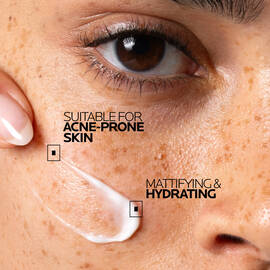
You can harness the exfoliating benefits of LHA and salicylic acid with the Effaclar Duo+M Anti Imperfections Moisturiser: which diminishes blackheads, blemishes, and post-blemish marks while imparting lasting hydration to the skin.
Integrate retinol to your skincare routine
Retinol is another powerful ingredient that encourages natural skin cell turnover. While retinol is a well-known anti-ageing and anti-acne ingredient, it’s known for its potency – and can’t be tolerated by all skin types. We do not recommend using both retinol and chemical exfoliants in the same routine, as this is likely to cause purging and skin moisture barrier damage.
If you’re integrating retinol into your skincare routine, we recommend starting with the Retinol B3 Anti-Ageing Serum one to two times per week, then gradually increasing usage if your skin responds positively.
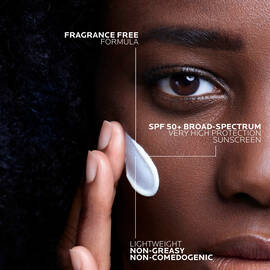
Keep in mind that retinol will make your skin more photosensitive, so it should only be applied at night. In the morning, be sure to always finish your skincare routine with a broad-spectrum SPF sunscreen like our Anthelios Invisible Fluid Facial Sunscreen SPF 50+.
Reinforce the skin moisture barrier
If you’re adding either retinol or chemical exfoliants to your skincare routine to boost skin cell turnover, extra hydration is a must – as these ingredients are known to dry out the skin. Even without these potent ingredients, a strong skin moisture barrier is integral for skin resilience and regular skin cell turnover.
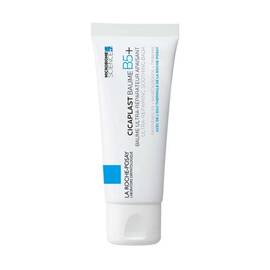
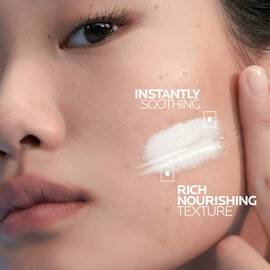
Cicaplast Baume B5+ Balm Cream is renowned for its deeply nourishing texture and skin moisture barrier support. Powered by vitamin B5, a blend of prebiotics, madecassoside, and thermal spring water, it’s formulated to fortify your skin’s protective layer and reduce tightness, dryness, redness, and visible discomfort in skin.
Prioritise healthy lifestyle habits
Topical skincare products aren’t the only strategy for boosting skin cell turnover; how you care for your body also impacts the length of your skin renewal cycle.
Healthy dietary, lifestyle, and sleep habits can all work together to support your skin’s natural cell shedding and regeneration:
-
• Aim to get between seven to nine hours of sleep each night – this is when your skin performs most of its active repair.
• Eat a balanced, nutrient-rich diet that contains plenty of vitamins, antioxidants, and Omega-3 fatty acids to help support your skin.
• Cut out smoking and limit your alcohol consumption.
• Try to manage your stress levels, as spikes in cortisol can impede cell turnover.
• Sedentary lifestyles can slow down cellular energy production (impacting turnover rate)3, so it’s important to exercise regularly.
If sluggish skin cell turnover is contributing to acne concerns on your skin, explore our in-depth anti-acne regime for clearer skin, next.
SHOP PRODUCTS IN THIS ARTICLE
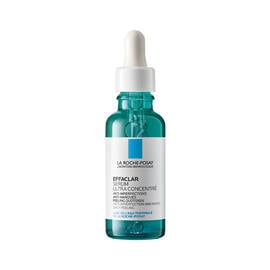
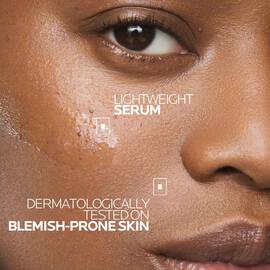

Effaclar Anti-Acne Salicylic Acid Serum
Anti-Imperfections And Anti-Wrinkle Face Serum
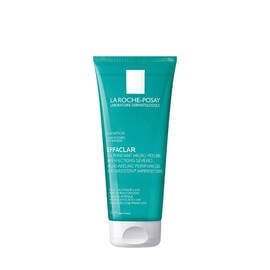
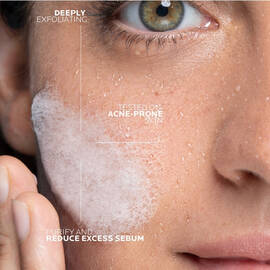
Effaclar Micro-Peeling Purifying Gel Cleanser
Exfoliating cleanser to purify acne-prone skin while visibly reducing pimples and marks
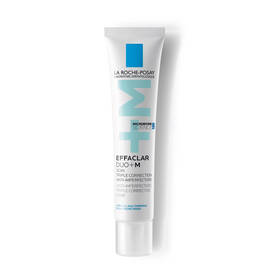
Effaclar Duo+M Anti Imperfections Moisturiser
Anti Imperfections Moisturiser For Oily, Mild Acne-Prone Skin, Powered By Microbiome Science
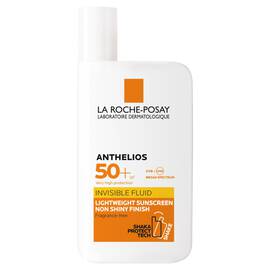

Anthelios Invisible Fluid Facial Sunscreen SPF 50+
LIGHTWEIGHT, INVISIBLE EVERYDAY FACE SUNSCREEN FOR SENSITIVE SKIN
Cicaplast Baume B5+ Balm Cream
Multi-Repairing Hydrating Balm For Dry Skin
RELATED ARTICLES


- HOME >
- SKINCARE ADVICE >
- WHAT IS SKIN CELL TURNOVER?
What is Skin Cell Turnover – and How Can You Support it With the Right Skincare Routine?
Skin cell turnover is one of your skin’s natural biological processes, and it’s this cycle of cell regeneration that informs the appearance and texture of your skin.
However, there are a wealth of internal and external factors that can disrupt or slow down your skin renewal cycle. When this happens, dead skin cells accumulate on the outermost layer of the skin: resulting in a dull complexion, clogged pores, and deeper textural concerns.
In this guide, we’ll be examining the function of the skin’s renewal cycle – and how the right skincare intervention and lifestyle habits can stimulate sluggish skin cell turnover.
What is skin cell turnover?
Skin cell turnover is your skin’s natural renewal cycle where your skin produces new skin cells in the deepest layer of the epidermis (the basal layer) to replace dead skin cells that are shed at the skin surface.1
Consistent cellular turnover plays an essential function in your skin’s texture, appearance, and resilience. Your skin renewal cycle is also responsible for maintaining a robust skin moisture barrier – which helps protect deeper, more vulnerable layers of the skin against external aggressors such as UV rays and pollutants.
How long is the skin renewal cycle?
Each skin cell operates on its own life cycle, and the rate of cell turnover is dictated by factors like age, sun exposure, sleep patterns, hormones, diet, and hydration – as well as skin conditions, such as eczema-prone skin.
Below are the average lengths of the skin renewal cycle based on age demographics.
-
• Teens: 14 to 28 days
• Twenties: 28 to 30 days2
• Thirties and forties: 30 to 42 days
• Fifty and beyond: 50 to 90 days
What happens when cell turnover slows down?
When skin cell turnover slows down, it causes dead skin cells to build up on the surface of the skin rather than naturally sloughing off.
This can trigger a number of visible and textural skin concerns, including:
· Clogged pores and acne
· Rough, bumpy texture
· Dullness or loss of radiance
· Dry, flaky patches
· Deeper fine lines and wrinkles
· More visible hyperpigmentation
· Impaired skin moisture barrier function
How to encourage skin cell turnover
It’s not uncommon to experience periods of slower skin cell turnover – and there are several skincare ingredients that are formulated to stimulate this renewal cycle.
Alongside supportive skincare, it’s important to care for your skin from within to promote your body’s natural regeneration processes.
Explore our tips to boost skin cell turnover below.
Exfoliate the skin surface
Chemical exfoliants like AHAs, BHAs, and LHAs are used in skincare to stimulate the skin renewal cycle and slough dead skin cells – making room for newer, fresher skin cells to move to the stratum corneum2.
Alpha hydroxy acids (AHAs)
AHAs have a small molecular size. This means they’re able to deeply penetrate the epidermis and encourage skin cell turnover, making them ideal for acne-prone skin concerns. They’re also particularly effective at targeting surface-level exfoliation concerns (such as rough texture, flaky patches, dullness, and fine lines) in dry skin or mature skin.
Enriched with a blend of chemical exfoliants – including glycolic acid, salicylic acid, and LHA – Effaclar Anti-Acne Salicylic Acid Serum is a daily refining serum that micro-exfoliates and unclogs pores to accelerate skin cell turnover and reduce the appearance of visible skin imperfections.
Beta hydroxy acids (BHAs)
If you have oily, combination, or acne-prone skin, we recommend a lipid-soluble chemical exfoliant like salicylic acid (a BHA) to loosen the bonds between dead skin cells, regulate sebum production, and penetrate deep into the pore to unclog debris.
You can purify skin and stimulate cell turnover using the Effaclar Micro-Peeling Purifying Gel Cleanser, which is formulated with LHA and salicylic acid to visibly reduce the appearance of blackheads and other blemishes.
Lipo hydroxy acid (LHA)
If you have acne-prone skin that’s also sensitive, LHAs are gentler on the skin, so they can serve as an effective alternative to encourage skin cell turnover and target breakouts.
You can harness the exfoliating benefits of LHA and salicylic acid with the Effaclar Duo+M Anti Imperfections Moisturiser: which diminishes blackheads, blemishes, and post-blemish marks while imparting lasting hydration to the skin.
Integrate retinol to your skincare routine
Retinol is another powerful ingredient that encourages natural skin cell turnover. While retinol is a well-known anti-ageing and anti-acne ingredient, it’s known for its potency – and can’t be tolerated by all skin types. We do not recommend using both retinol and chemical exfoliants in the same routine, as this is likely to cause purging and skin moisture barrier damage.
If you’re integrating retinol into your skincare routine, we recommend starting with the Retinol B3 Anti-Ageing Serum one to two times per week, then gradually increasing usage if your skin responds positively.
Keep in mind that retinol will make your skin more photosensitive, so it should only be applied at night. In the morning, be sure to always finish your skincare routine with a broad-spectrum SPF sunscreen like our Anthelios Invisible Fluid Facial Sunscreen SPF 50+.
Reinforce the skin moisture barrier
If you’re adding either retinol or chemical exfoliants to your skincare routine to boost skin cell turnover, extra hydration is a must – as these ingredients are known to dry out the skin. Even without these potent ingredients, a strong skin moisture barrier is integral for skin resilience and regular skin cell turnover.
Cicaplast Baume B5+ Balm Cream is renowned for its deeply nourishing texture and skin moisture barrier support. Powered by vitamin B5, a blend of prebiotics, madecassoside, and thermal spring water, it’s formulated to fortify your skin’s protective layer and reduce tightness, dryness, redness, and visible discomfort in skin.
Prioritise healthy lifestyle habits
Topical skincare products aren’t the only strategy for boosting skin cell turnover; how you care for your body also impacts the length of your skin renewal cycle.
Healthy dietary, lifestyle, and sleep habits can all work together to support your skin’s natural cell shedding and regeneration:
-
• Aim to get between seven to nine hours of sleep each night – this is when your skin performs most of its active repair.
• Eat a balanced, nutrient-rich diet that contains plenty of vitamins, antioxidants, and Omega-3 fatty acids to help support your skin.
• Cut out smoking and limit your alcohol consumption.
• Try to manage your stress levels, as spikes in cortisol can impede cell turnover.
• Sedentary lifestyles can slow down cellular energy production (impacting turnover rate)3, so it’s important to exercise regularly.
If sluggish skin cell turnover is contributing to acne concerns on your skin, explore our in-depth anti-acne regime for clearer skin, next.
SHOP PRODUCTS IN THIS ARTICLE
Effaclar Anti-Acne Salicylic Acid Serum
Anti-Imperfections And Anti-Wrinkle Face Serum
Effaclar Micro-Peeling Purifying Gel Cleanser
Exfoliating cleanser to purify acne-prone skin while visibly reducing pimples and marks
Effaclar Duo+M Anti Imperfections Moisturiser
Anti Imperfections Moisturiser For Oily, Mild Acne-Prone Skin, Powered By Microbiome Science
Anthelios Invisible Fluid Facial Sunscreen SPF 50+
LIGHTWEIGHT, INVISIBLE EVERYDAY FACE SUNSCREEN FOR SENSITIVE SKIN
Cicaplast Baume B5+ Balm Cream
Multi-Repairing Hydrating Balm For Dry Skin
RELATED ARTICLES
Stay In Touch
