

- HOME >
- SKINCARE ADVICE >
- SUN PROTECTION >
- DO YOU NEED SUNSCREEN IN WINTER?

DO YOU NEED SUNSCREEN IN WINTER?
Winter Skincare Reality Check
Winter routines focus on hydrating, comforting formulas addressing dry, sensitive skin. Face sunscreen application gets excluded from many winter skincare routines.
Skin lacks UV radiation protection without year-round sunscreen application. Oily, sensitive, and dry skin types experience sun impact regardless of exposure frequency. Winter conditions for example increase UV radiation through snow reflectivity, reflective surfaces.

Should You Wear Sunscreen in Winter?
Answer: Yes.
Shorter days, reduced outdoor time suggest why sunscreen usage stops during winter. Sunburns occur more frequently in summer, yet UV damage accumulates daily.
Sunscreens serves long-term skin health, radiance, shine. The Australian sun produces world-highest UVA/UVB radiation levels year-round.
UVA rays (long wave rays) comprise 95% of Earth's surface radiation. These rays contribute to photoageing signs: fine lines, age spots. UVB rays (short wave rays) cause sunburn. Both UVA/UVB radiation remains present year-round - broad-spectrum sunscreen protection stays essential.
What are UV Index Thresholds
UV radiation, not temperature, damages skin. Check daily UV index via Bureau of Meteorology or SunSmart app. Apply sunscreen when maximum UV ≥3.
Australian cities exceed UV index 3 throughout most winter months. Brisbane, Perth, Darwin require year-round protection. Melbourne residents need sunscreen except May-July periods.
Benefits of Wearing Sunscreen in Winter
Sunscreen = best anti-ageing product in skincare routines. Winter benefits apply to all skin types:
· Reduced skin cell damage
· Increased hydration
· Year-round photoageing protection - fine lines, wrinkles, age spots, sagging prevention
· Skin cancer protection

How to Choose Sunscreen in Winter for your Skin Type
Dry Skin Sunscreen
Nourishing formulas support optimal moisture levels during dry, brittle weather. Anthelios Ultra Facial Sunscreen SPF 50+ 50ml includes:
· Glycerin: moisturizes, comforts dry skin
· Antioxidant baicalin: addresses surface free radicals
Anthelios Ultra BB Cream SPF 50+ 50ml contains universal micro-pigments melting into skin for even tone.

Oily Skin Sunscreen During Winter
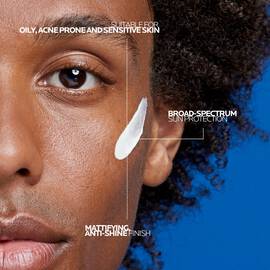
Non-comedogenic formulas prevent pore clogging. Anthelios XL Anti-Shine Dry Touch Facial Sunscreen SPF 50+ 50ml provides:
· Non-greasy, mattifying protection
· Broad-spectrum UVA/UVB coverage
Sensitive Skin Sunscreen During Winter
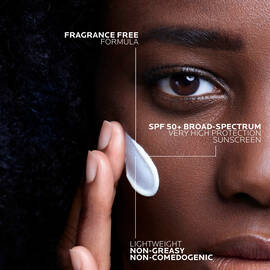
Winter sunscreen benefits include reduced UV-induced skin redness. Anthelios Invisible Fluid Facial Sunscreen SPF 50+ 50ml offers:
· Lightweight sensitive skin type formulation
· Broad-spectrum UVA/UVB protection
Anthelios Tinted Fluid Facial Sunscreen SPF 50+ provides lightweight tint for even complexion.
Body Sunscreen During Winter
Bodies stay covered during winter, yet exposed areas require protection. Hands, neck remain exposed year-round. Indoor glass proximity demands summertime usage frequency.
Anthelios Invisible Spray Sunscreen SPF 50+ delivers lightweight, invisible protection suitable for all skin types including sensitive.
How to apply Sunscreen in Winter
· Apply sunscreen 20 minutes before outdoor exposure. Use approximately one teaspoon (4.5ml) for face/neck/ears, additional teaspoon per limb.
· Target commonly missed areas: ears, neck undersides, hands. Reapply every two hours minimum - increase frequency after sweating, wiping.
UVA radiation penetrates glass despite cloud cover, shorter days. Apply sunscreen as morning routine final step. Optimal protection requires every 2-hour reapplication.
Snow and Alpine Conditions
Skiing, snowboarding increase UV risk dramatically. UV levels intensify at high altitude, snow reflects 80-90% UV radiation - exposing skin from above and below.
Use SPF50+ broad-spectrum, water-resistant sunscreen 20 minutes before slopes. Reapply every two hours during alpine activities.
Protective gear: helmets with ear flaps, balaclavas, UV-rated goggles prevent snow blindness. Seek indoor breaks during midday UV peaks (10am-4pm).
FREQUENTLY ASKED QUESTIONS
Yes. UV levels reach high intensity even during cold, overcast conditions. UV radiation, not temperature, damages skin.
TCheck daily UV index via Bureau of Meteorology or SunSmart app. Apply sunscreen when maximum UV ≥3.
Yes. Fresh snow reflects up to 90% UV radiation. UVB burns more easily at high altitude. Use SPF50+, reapply frequently.
Health authorities recommend broad-spectrum SPF30+ or SPF50+. Apply liberally, reapply every two hours.
No. Layering lower SPF products doesn't add protection. You receive only the highest SPF from any single product.
Darker skin tone provides natural protection, may not need routine sunscreen unless long exposure periods. Pale, high-risk individuals need sunscreen whenever UV ≥3.
Apply 20 minutes before outdoor exposure. Use one teaspoon per limb, face/neck. Reapply the right amount of sunscreen every two hours or after sweating, wiping.
Wear protective clothing, hats, sunglasses. Seek shade at midday. UV reflects off snow, glass reflective surfaces.
UV index below 3 all day, indoors/shade conditions. Darker skin tone individuals, southern cities during low UV months (May-July Melbourne) may forgo sunscreen. Always check daily UV rating.
ALWAYS READ THE LABEL AND FOLLOW THE DIRECTIONS FOR USE.
Apply 20 minutes before sun exposure. Sunscreen = one part of sun protection - wear protective clothing, seek shade. Avoid prolonged sun exposure. Reapply every 2 hours and after swimming, toweling, perspiring in accordance with directions.
SHOP PRODUCTS IN THIS ARTICLE
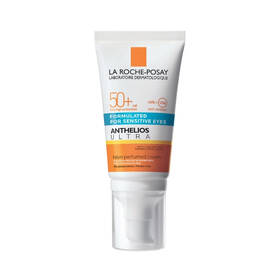
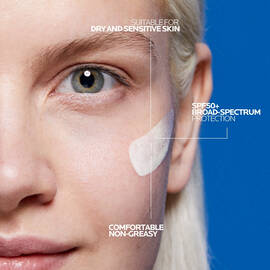

Anthelios Ultra Facial Sunscreen SPF 50+ 50ml
Lightweight Moisturising Sunscreen For Dry Sensitive Skin
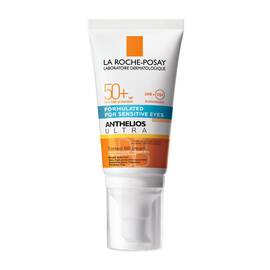
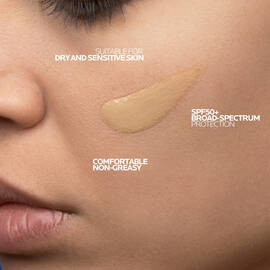
Anthelios Ultra BB Cream SPF 50+ 50ml
Hydrating BB Cream For Dry, Sensitive Skin
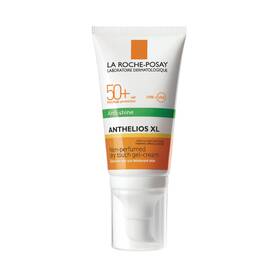
Anthelios XL Anti-Shine Dry Touch Facial Sunscreen SPF 50+ 50ml
Non-Greasy Mattifying Face Sunscreen For Oily, Acne-Prone Skin
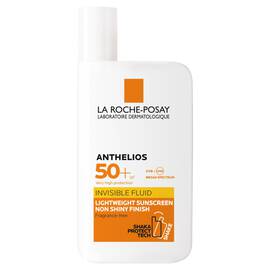
Anthelios Invisible Fluid Facial Sunscreen SPF 50+
LIGHTWEIGHT, INVISIBLE EVERYDAY FACE SUNSCREEN FOR SENSITIVE SKIN
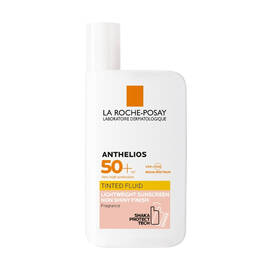
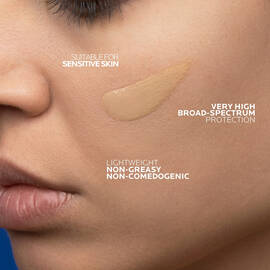
Anthelios Tinted Fluid Facial Sunscreen SPF 50+
Sheer Finish Tinted Liquid Sunscreen For Sensitive Skin
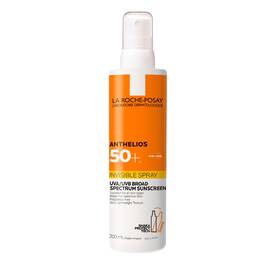
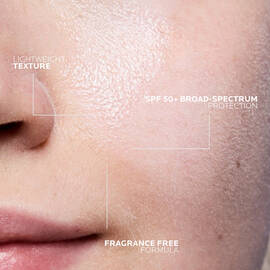
Anthelios Invisible Spray Sunscreen SPF 50+ 200ML
Lightweight Sunscreen Spray for Face & Body.
RELATED SUN SAFETY ARTICLES


- HOME >
- SKINCARE ADVICE >
- SUN PROTECTION >
- DO YOU NEED SUNSCREEN IN WINTER?
DO YOU NEED SUNSCREEN IN WINTER?
Winter Skincare Reality Check
Winter routines focus on hydrating, comforting formulas addressing dry, sensitive skin. Face sunscreen application gets excluded from many winter skincare routines.
Skin lacks UV radiation protection without year-round sunscreen application. Oily, sensitive, and dry skin types experience sun impact regardless of exposure frequency. Winter conditions for example increase UV radiation through snow reflectivity, reflective surfaces.
Should You Wear Sunscreen in Winter?
Answer: Yes.
Shorter days, reduced outdoor time suggest why sunscreen usage stops during winter. Sunburns occur more frequently in summer, yet UV damage accumulates daily.
Sunscreens serves long-term skin health, radiance, shine. The Australian sun produces world-highest UVA/UVB radiation levels year-round.
UVA rays (long wave rays) comprise 95% of Earth's surface radiation. These rays contribute to photoageing signs: fine lines, age spots. UVB rays (short wave rays) cause sunburn. Both UVA/UVB radiation remains present year-round - broad-spectrum sunscreen protection stays essential.
What are UV Index Thresholds
UV radiation, not temperature, damages skin. Check daily UV index via Bureau of Meteorology or SunSmart app. Apply sunscreen when maximum UV ≥3.
Australian cities exceed UV index 3 throughout most winter months. Brisbane, Perth, Darwin require year-round protection. Melbourne residents need sunscreen except May-July periods.
Benefits of Wearing Sunscreen in Winter
Sunscreen = best anti-ageing product in skincare routines. Winter benefits apply to all skin types:
· Reduced skin cell damage
· Increased hydration
· Year-round photoageing protection - fine lines, wrinkles, age spots, sagging prevention
· Skin cancer protection
How to Choose Sunscreen in Winter for your Skin Type
Dry Skin Sunscreen
Nourishing formulas support optimal moisture levels during dry, brittle weather. Anthelios Ultra Facial Sunscreen SPF 50+ 50ml includes:
· Glycerin: moisturizes, comforts dry skin
· Antioxidant baicalin: addresses surface free radicals
Anthelios Ultra BB Cream SPF 50+ 50ml contains universal micro-pigments melting into skin for even tone.
Oily Skin Sunscreen During Winter
Non-comedogenic formulas prevent pore clogging. Anthelios XL Anti-Shine Dry Touch Facial Sunscreen SPF 50+ 50ml provides:
· Non-greasy, mattifying protection
· Broad-spectrum UVA/UVB coverage
Sensitive Skin Sunscreen During Winter
Winter sunscreen benefits include reduced UV-induced skin redness. Anthelios Invisible Fluid Facial Sunscreen SPF 50+ 50ml offers:
· Lightweight sensitive skin type formulation
· Broad-spectrum UVA/UVB protection
Anthelios Tinted Fluid Facial Sunscreen SPF 50+ provides lightweight tint for even complexion.
Body Sunscreen During Winter
Bodies stay covered during winter, yet exposed areas require protection. Hands, neck remain exposed year-round. Indoor glass proximity demands summertime usage frequency.
Anthelios Invisible Spray Sunscreen SPF 50+ delivers lightweight, invisible protection suitable for all skin types including sensitive.
How to apply Sunscreen in Winter
· Apply sunscreen 20 minutes before outdoor exposure. Use approximately one teaspoon (4.5ml) for face/neck/ears, additional teaspoon per limb.
· Target commonly missed areas: ears, neck undersides, hands. Reapply every two hours minimum - increase frequency after sweating, wiping.
UVA radiation penetrates glass despite cloud cover, shorter days. Apply sunscreen as morning routine final step. Optimal protection requires every 2-hour reapplication.
Snow and Alpine Conditions
Skiing, snowboarding increase UV risk dramatically. UV levels intensify at high altitude, snow reflects 80-90% UV radiation - exposing skin from above and below.
Use SPF50+ broad-spectrum, water-resistant sunscreen 20 minutes before slopes. Reapply every two hours during alpine activities.
Protective gear: helmets with ear flaps, balaclavas, UV-rated goggles prevent snow blindness. Seek indoor breaks during midday UV peaks (10am-4pm).
FREQUENTLY ASKED QUESTIONS
Yes. UV levels reach high intensity even during cold, overcast conditions. UV radiation, not temperature, damages skin.
TCheck daily UV index via Bureau of Meteorology or SunSmart app. Apply sunscreen when maximum UV ≥3.
Yes. Fresh snow reflects up to 90% UV radiation. UVB burns more easily at high altitude. Use SPF50+, reapply frequently.
Health authorities recommend broad-spectrum SPF30+ or SPF50+. Apply liberally, reapply every two hours.
No. Layering lower SPF products doesn't add protection. You receive only the highest SPF from any single product.
Darker skin tone provides natural protection, may not need routine sunscreen unless long exposure periods. Pale, high-risk individuals need sunscreen whenever UV ≥3.
Apply 20 minutes before outdoor exposure. Use one teaspoon per limb, face/neck. Reapply the right amount of sunscreen every two hours or after sweating, wiping.
Wear protective clothing, hats, sunglasses. Seek shade at midday. UV reflects off snow, glass reflective surfaces.
UV index below 3 all day, indoors/shade conditions. Darker skin tone individuals, southern cities during low UV months (May-July Melbourne) may forgo sunscreen. Always check daily UV rating.
ALWAYS READ THE LABEL AND FOLLOW THE DIRECTIONS FOR USE.
Apply 20 minutes before sun exposure. Sunscreen = one part of sun protection - wear protective clothing, seek shade. Avoid prolonged sun exposure. Reapply every 2 hours and after swimming, toweling, perspiring in accordance with directions.
SHOP PRODUCTS IN THIS ARTICLE
Anthelios Ultra Facial Sunscreen SPF 50+ 50ml
Lightweight Moisturising Sunscreen For Dry Sensitive Skin
Anthelios Ultra BB Cream SPF 50+ 50ml
Hydrating BB Cream For Dry, Sensitive Skin
Anthelios XL Anti-Shine Dry Touch Facial Sunscreen SPF 50+ 50ml
Non-Greasy Mattifying Face Sunscreen For Oily, Acne-Prone Skin
Anthelios Invisible Fluid Facial Sunscreen SPF 50+
LIGHTWEIGHT, INVISIBLE EVERYDAY FACE SUNSCREEN FOR SENSITIVE SKIN
Anthelios Tinted Fluid Facial Sunscreen SPF 50+
Sheer Finish Tinted Liquid Sunscreen For Sensitive Skin
Anthelios Invisible Spray Sunscreen SPF 50+ 200ML
Lightweight Sunscreen Spray for Face & Body.
RELATED SUN SAFETY ARTICLES
Stay In Touch
