


Does Sunscreen Block Vitamin D?
Vitamin D is a highly beneficial nutrient that plays an essential role in many processes in the body, from strengthening bones and teeth, to supporting the immune system. And while it’s accurate that sun exposure prompts the body to produce vitamin D, there are many misconceptions around this process and daily sun protection. In this article we'll discuss the relationship between sunscreen and vitamin D, sources of vitamin D, the adverse effects of too much sun exposure, and why sun protection is essential every day of the year.

WHAT IS VITAMIN D?
Vitamin D is a nutrient that plays a significant role in a number of bodily functions. Unlike other vitamins, our body naturally produces vitamin D. This vitamin D production can be triggered by eating certain foods, supplements and, the primary source, sunlight. When the skin is exposed to ultraviolet rays (specifically UVB rays), it promotes the production of vitamin D, which is then converted into an active form in the body. In addition to sun exposure, skin tone, age, weight and geographic location can all play a role in vitamin D levels. Because vitamin D plays a major role in a number of bodily function, a deficiency in vitamin D levels can have adverse effects on the body.

HOW VITAMIN D AFFECTS THE BODY
Vitamin D helps regulate calcium levels in the body, which is essential for building and maintaining strong bones. Without sufficient vitamin D, your body can't absorb calcium effectively, leading to weakened bones and an increased risk of osteoporosis, fractures, and falls. In addition to vitamin D, other essential nutrients for maintaining healthy bones include calcium, magnesium, and phosphorus, and a well-balanced diet that includes these nutrients, along with regular exercise, can help maintain strong bones.
DOES SUNSCREEN CAUSE VITAMIN D DEFICIENCY?
There is no sufficient evidence that using sunscreen can cause vitamin D deficiency. Research doesn't show any major difference between vitamin D levels in people who wear sunscreen daily and those that don't, so it's not likely that sunscreen has any significant effect on vitamin D levels. UVB exposure is essential for vitamin D production, but it also contributes to DNA damage and increases the risk of skin cancer, making sunscreen absolutely essential. Put simply, the benefits of sun protection outweigh the low risk of vitamin D deficiency.

THE IMPORTANCE OF SUN PROTECTION AGAINST SKIN CANCER
The damaging effects of ultraviolet radiation occur all year round, even on gloomy days. Unprotected sun exposure can cause premature visible anti-ageing, sunburn, DNA damage, and various types of skin cancers, so it follows that the benefits of sunscreen far outweigh any vitamin D considerations. Sun damage is cumulative, and every day you don't protect your skin from UVA and UVB exposure increases your risk of skin cancers and skin concerns. . The sun's ultraviolet (UV) radiation plays a dual role as a significant source of vitamin D and a major risk factor for skin cancer. La Roche-Posay recommends applying an SPF 50+ sunscreen 365 days a year for optimal protection.
ARE THERE OTHER SOURCES OF VITAMIN D?
While there is no proven link between sunscreen and vitamin D levels, factors like climate and seasonal changes can lead to less vitamin D production from sunlight, which can increase the risk of vitamin D deficiency. Fortunately, if you're concerned you're not getting enough vitamin D, there are both natural and fortified dietary sources of vitamin D that can help you maintain sufficient levels of the this nutrient.
Foods like tuna, salmon, cheese and egg yolks are good sources of vitamin D, as well as several fruits like apricots and peaches. Some foods like bread and milk are often fortified with vitamin D. Tuna, mackerel and salmon are all naturally rich in vitamin D, as are cheese and egg yolks. There are also several fruits with vitamin D including apricots and peaches. Foods such as milk and bread are also commonly fortified with vitamin D. With all these foods in mind, there are many dietary supplements available that can provide you with sufficient levels of vitamin D, so there are plenty of options!
PROTECT AGAINST UV RADIATION WITH A BROAD-SPECTRUM, HIGH SPF SUNSCREEN
The standard recommendation in Australia is a broad-spectrum sunscreen with a sun protection factor of 50 or higher. All sunscreens in La Roche-Posay's Anthelios range provide very high broad spectrum protection with an SPF of 50+, with formulas that are designed for everyday wear.

ANTHELIOS INVISIBLE FLUID FACIAL SUNSCREEN SPF50+
Our Anthelios Invisible Fluid Facial Sunscreen SPF 50+ is a favourite of the range and known for its very lightweight texture delivering very high broad spectrum protection with invisible finish.
A$37.95

ANTHELIOS XL ANTI-SHINE DRY TOUCH FACIAL SUNSCREEN SPF50+
For blemish-prone, combination or oily skin types, our Anthelios XL Anti-Shine Dry Touch Facial Sunscreen SPF 50+ is well suited to provide sun protection with a mattifying texture. The non-greasy formula is shine-free.
A$37.95
ALWAYS READ THE LABEL. FOLLOW THE DIRECTIONS FOR USE.
Apply 20 minutes before sun exposure. Sunscreen is only one part of sun protection so wear protective clothing and seek shade. Avoid prolonged sun exposure. Reapply every 2 hours and after swimming, towelling and perspiring in accordance with directions.
SHOP PRODUCTS FOR SUN PROTECTION
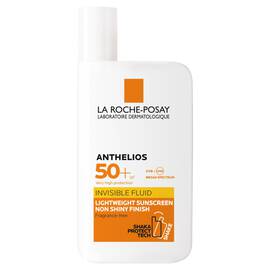
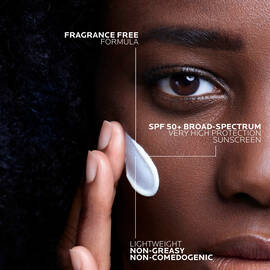

Anthelios Invisible Fluid Facial Sunscreen SPF 50+
LIGHTWEIGHT, INVISIBLE EVERYDAY FACE SUNSCREEN FOR SENSITIVE SKIN
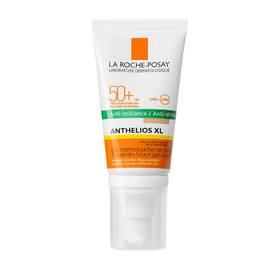
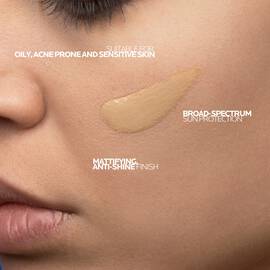
Anthelios XL Anti-Shine Dry Touch Tinted Sunscreen SPF 50+ 50ml
Mattifying Tinted Sunscreen For Face Suitable To Oily, Acne-Prone Skin
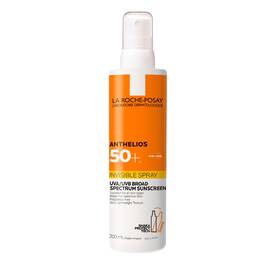
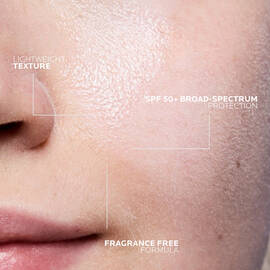
Anthelios Invisible Spray Sunscreen SPF 50+ 200ML
Lightweight Sunscreen Spray for Face & Body.
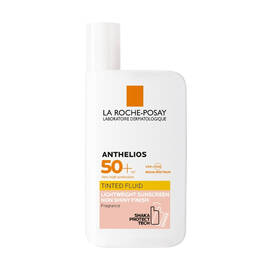
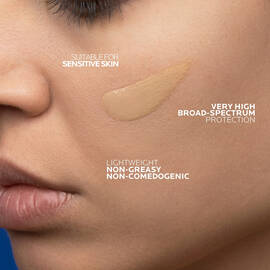
Anthelios Tinted Fluid Facial Sunscreen SPF 50+
Sheer Finish Tinted Liquid Sunscreen For Sensitive Skin
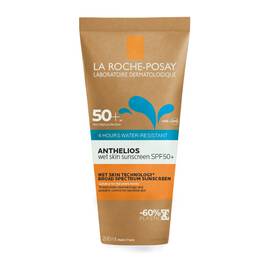
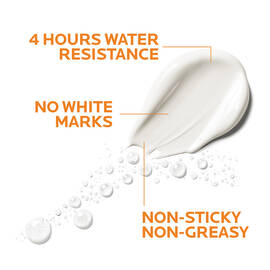
Anthelios Wet Skin Sunscreen SPF 50+
Face & Body Sunscreen For Sensitive Skin. Suitable For Children
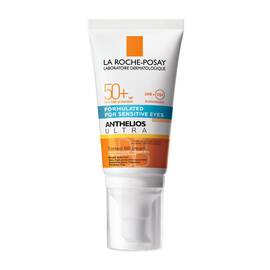
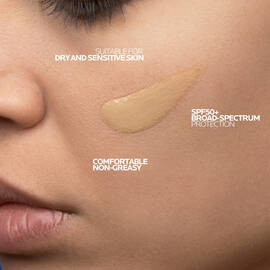
Anthelios Ultra BB Cream SPF 50+ 50ml
Hydrating BB Cream For Dry, Sensitive Skin
RELATED SUNSCREEN ARTICLES


Stay In Touch
