

- HOME >
- SKINCARE ADVICE >
- SUN SAFETY >
- HOW MUCH SUNSCREEN DO I NEED

HOW TO APPLY SUNSCREEN AND HOW MUCH TO USE

Reviewed By Suzanne Nguyen
Most Australians apply sunscreen once daily and expect full-day protection. This belief causes serious skin damage and increases skin cancer risk. Understanding sunscreen application amounts, timing, and reapplication protects your skin in Australia's intense UV environment.
Proper sunscreen use requires more than applying product before going outside. Sunscreen effectiveness depends on application amount, timing, and reapplication frequency. Science shows exactly how sunscreen works and answers essential sun protection questions.

HOW MUCH SUNSCREEN DO I REALLY NEED TO APPLY TO MY FACE AND BODY?
Most people apply insufficient sunscreen amounts. This reduces the Sun Protection Factor (SPF) protection stated on product labels.
SPF stated on sunscreen labels come from laboratory tests using a thickness of 2 milligrams per square centimetre (2mg/cm²) of sunscreen. Average adults need 1.5-2 tablespoons or 26ml for complete body coverage or to protect exposed areas
Suggested Application amounts by body area:
Face and neck: 1/4 teaspoon (1.25ml)
Each arm: 1/2 teaspoon (2.5ml)
Each leg: 1 teaspoon (5ml)
Front torso: 1 teaspoon (5ml)
Back torso: 1 teaspoon (5ml)
Applying half the recommended amount will also halve the level of protection it provides ,only 25% of stated SPF protection, not 50%. This dramatic protection reduction increases UV damage risk significantly.
For facial application, use the "two-finger rule." Squeeze sunscreen along your index and middle fingers. This amount covers face and neck adequately.

HOW LONG DOES SUNSCREEN LAST ONCE APPLIED?
Sunscreen protects skin for two hours maximum after application. This timeframe applies universally across all SPF levels.
The two-hour countdown starts immediately after application, not after sun exposure begins. Apply sunscreen at home before commuting? Reapply after being outdoors for the remaining two hours.
SPF 15, 30, or 50+ all provide protection for approximately two hours. Higher SPF values increase protection intensity during those two hours but do not extend reapplication time.

HOW LONG DOES SUNSCREEN TAKE TO WORK AFTER APPLICATION?
Sunscreen effectiveness timing depends on UV filter types mineral and chemical:
Mineral sunscreens: Zinc oxide and titanium dioxide work immediately after application. These mineral filters create physical barriers that reflect and scatter UV rays. Protection begins once product spreads evenly on skin.
Chemical sunscreens: Avobenzone, octyl, and octyl salicylate need 15-20 minutes to absorb into skin surface and become fully effective. These ingredients absorb UV radiation and convert it to heat. They require time to bind with skin and reach optimal effectiveness.
Combination sunscreens: La Roche-Posay Sunscreens, combine mineral and chemical filters. Mineral components provide immediate protection while chemical filters reach full effectiveness within 15-20 minutes.
Apply sunscreen 15-20 minutes before sun exposure regardless of type. This ensures maximum effectiveness from the first moment outdoors.

WHY DO I NEED TO REAPPLY SUNSCREEN EVERY TWO HOURS?
Multiple factors reduce sunscreen effectiveness over time:
UV radiation breakdown: Direct ultraviolet exposure breaks down active sunscreen ingredients. UV filters absorb and scatter UV rays, gradually losing protective capacity.
Physical removal: Daily activities remove sunscreen from skin. Clothing friction, towel drying, and body movements eliminate the protective layer. Areas with clothing straps or tight fabric lose protection faster.
Natural skin processes: Skin produces oils and sweat throughout the day. Light perspiration dilutes sunscreen concentration, reducing effectiveness. This happens gradually and often goes unnoticed.
Environmental factors: Wind, sand, and water remove sunscreen. Eating, drinking, or touching your face eliminates facial protection.
These combined factors reduce sunscreen effectiveness over time. Regular reapplication maintains consistent protection.

HOW OFTEN SHOULD I REAPPLY SUNSCREEN IF I'M SWIMMING OR SWEATING?
Water activities and heavy sweating require more frequent reapplication than the standard two-hour rule.
Water resistance facts: "Water-resistant" sunscreens maintain SPF for 40 or 80 minutes during water activity under laboratory conditions. Real-world conditions often differ from laboratory testing.
Immediate reapplication required after:
Swimming or water activities
Heavy sweating or sports
Towel drying (even within two hours of last application)
Activities that remove or disturb sunscreen
Water activity best practices: Apply sunscreen 15-20 minutes before entering water. Reapply immediately after exiting water. For extended water activities, set timers for every 40-80 minutes based on your product's water resistance rating.
"Waterproof" sunscreen does not exist. Regulatory authorities prohibit this term because no sunscreen completely resists water removal.
DOES SUNSCREEN EXPIRE? HOW CAN I TELL IF MY SUNSCREEN IS STILL GOOD?
Sunscreen effectiveness decreases over time. Expiration dates indicate guaranteed protection limits.
Expiration science: Active ingredients break down due to chemical processes, heat, light, and air exposure. Expiration dates show when manufacturers can no longer guarantee stated SPF protection.
Checking dates: Australian sunscreens display mandatory expiration dates. Most products remain effective for 2-3 years from manufacture if stored properly. Opening products accelerates degradation through air, heat, and contamination exposure.
Deterioration signs:
Colour changes: Yellowing, darkening, or unusual discoloration
Consistency changes: Ingredient separation, unusual thickness, or grittiness
Smell changes: Rancid, chemical, or unusual odours
Texture changes: Clumping, crystallization, or water separation
Storage guidelines: Store sunscreen in cool, dry places away from direct sunlight. Avoid hot cars, direct sunlight, or humid bathrooms for extended periods.

BUILDING EFFECTIVE SUN PROTECTION HABITS
Understanding sunscreen effectiveness helps you make informed sun protection habits decisions. Sunscreen forms one part of comprehensive sun safety strategies. Combine proper sunscreen use with protective clothing, wide-brimmed hats, sunglasses, and shade-seeking during peak UV hours (10 AM to 4 PM).
Australians live in one of Earth's highest UV environments. These practices prevent serious health problems, not just improve appearance. Consistent, proper sunscreen use significantly reduces skin cancer risk, premature aging, and UV-related skin damage.
Apply adequate amounts, reapply every two hours (more frequently during swimming or sweating), and use fresh, effective products. These steps protect your skin health for decades.
Want more application tips? Next read our guide on whether to apply sunscreen before or after moisturiser.
SUNCREEN PRODUCTS
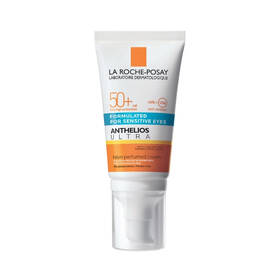
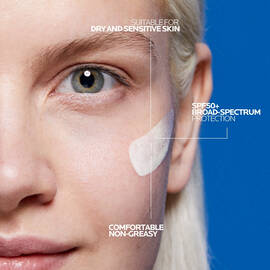

Anthelios Ultra Facial Sunscreen SPF 50+ 50ml
Lightweight Moisturising Sunscreen For Dry Sensitive Skin
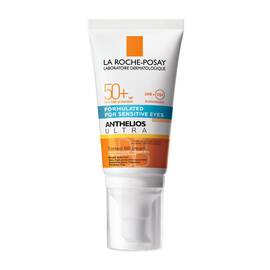
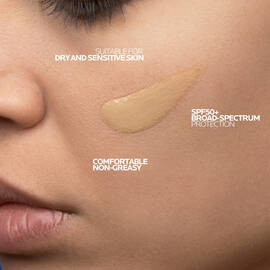
Anthelios Ultra BB Cream SPF 50+ 50ml
Hydrating BB Cream For Dry, Sensitive Skin
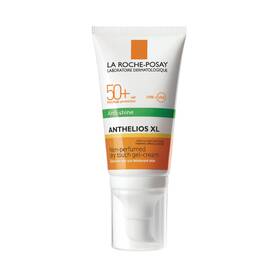
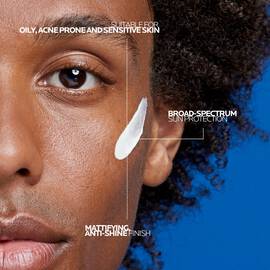
Anthelios XL Anti-Shine Dry Touch Facial Sunscreen SPF 50+ 50ml
Non-Greasy Mattifying Face Sunscreen For Oily, Acne-Prone Skin
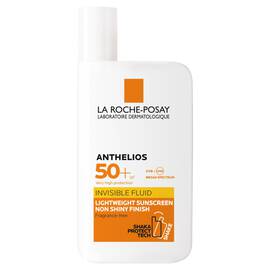
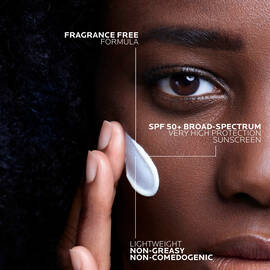
Anthelios Invisible Fluid Facial Sunscreen SPF 50+
LIGHTWEIGHT, INVISIBLE EVERYDAY FACE SUNSCREEN FOR SENSITIVE SKIN
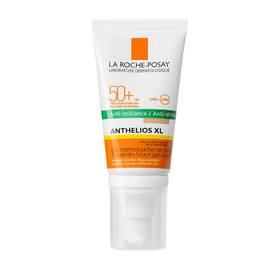
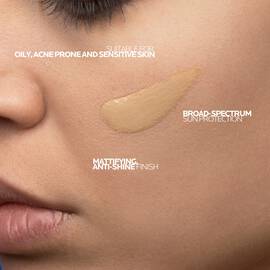
Anthelios XL Anti-Shine Dry Touch Tinted Sunscreen SPF 50+ 50ml
Mattifying Tinted Sunscreen For Face Suitable To Oily, Acne-Prone Skin
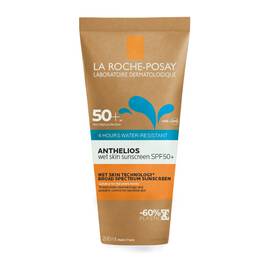
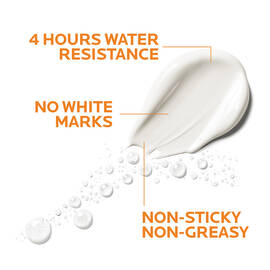
Anthelios Wet Skin Sunscreen SPF 50+
Face & Body Sunscreen For Sensitive Skin. Suitable For Children
RELATED SUN PROTECTION ARTICLES


- HOME >
- SKINCARE ADVICE >
- SUN SAFETY >
- HOW MUCH SUNSCREEN DO I NEED
How Much Sunscreen Do I Need? Sunscreen Effectiveness Uncovered
Reviewed By Suzanne Nguyen
Most Australians apply sunscreen once daily and expect full-day protection. This belief causes serious skin damage and increases skin cancer risk. Understanding sunscreen application amounts, timing, and reapplication protects your skin in Australia's intense UV environment.
Proper sunscreen use requires more than applying product before going outside. Sunscreen effectiveness depends on application amount, timing, and reapplication frequency. Science shows exactly how sunscreen works and answers essential sun protection questions.
HOW MUCH SUNSCREEN DO I REALLY NEED TO APPLY TO MY FACE AND BODY?
Most people apply insufficient sunscreen amounts. This reduces the Sun Protection Factor (SPF) protection stated on product labels.
SPF stated on sunscreen labels come from laboratory tests using a thickness of 2 milligrams per square centimetre (2mg/cm²) of sunscreen. Average adults need 1.5-2 tablespoons or 26ml for complete body coverage or to protect exposed areas
Suggested Application amounts by body area:
Face and neck: 1/4 teaspoon (1.25ml)
Each arm: 1/2 teaspoon (2.5ml)
Each leg: 1 teaspoon (5ml)
Front torso: 1 teaspoon (5ml)
Back torso: 1 teaspoon (5ml)
Applying half the recommended amount will also halve the level of protection it provides ,only 25% of stated SPF protection, not 50%. This dramatic protection reduction increases UV damage risk significantly.
For facial application, use the "two-finger rule." Squeeze sunscreen along your index and middle fingers. This amount covers face and neck adequately.
HOW LONG DOES SUNSCREEN LAST ONCE APPLIED?
Sunscreen protects skin for two hours maximum after application. This timeframe applies universally across all SPF levels.
The two-hour countdown starts immediately after application, not after sun exposure begins. Apply sunscreen at home before commuting? Reapply after being outdoors for the remaining two hours.
SPF 15, 30, or 50+ all provide protection for approximately two hours. Higher SPF values increase protection intensity during those two hours but do not extend reapplication time.
HOW LONG DOES SUNSCREEN TAKE TO WORK AFTER APPLICATION?
Sunscreen effectiveness timing depends on UV filter types mineral and chemical:
Mineral sunscreens: Zinc oxide and titanium dioxide work immediately after application. These mineral filters create physical barriers that reflect and scatter UV rays. Protection begins once product spreads evenly on skin.
Chemical sunscreens: Avobenzone, octyl, and octyl salicylate need 15-20 minutes to absorb into skin surface and become fully effective. These ingredients absorb UV radiation and convert it to heat. They require time to bind with skin and reach optimal effectiveness.
Combination sunscreens: La Roche-Posay Sunscreens, combine mineral and chemical filters. Mineral components provide immediate protection while chemical filters reach full effectiveness within 15-20 minutes.
Apply sunscreen 15-20 minutes before sun exposure regardless of type. This ensures maximum effectiveness from the first moment outdoors.

WHY DO I NEED TO REAPPLY SUNSCREEN EVERY TWO HOURS?
Multiple factors reduce sunscreen effectiveness over time:
UV radiation breakdown: Direct ultraviolet exposure breaks down active sunscreen ingredients. UV filters absorb and scatter UV rays, gradually losing protective capacity.
Physical removal: Daily activities remove sunscreen from skin. Clothing friction, towel drying, and body movements eliminate the protective layer. Areas with clothing straps or tight fabric lose protection faster.
Natural skin processes: Skin produces oils and sweat throughout the day. Light perspiration dilutes sunscreen concentration, reducing effectiveness. This happens gradually and often goes unnoticed.
Environmental factors: Wind, sand, and water remove sunscreen. Eating, drinking, or touching your face eliminates facial protection.
These combined factors reduce sunscreen effectiveness over time. Regular reapplication maintains consistent protection.
HOW OFTEN SHOULD I REAPPLY SUNSCREEN IF I'M SWIMMING OR SWEATING?
Water activities and heavy sweating require more frequent reapplication than the standard two-hour rule.
Water resistance facts: "Water-resistant" sunscreens maintain SPF for 40 or 80 minutes during water activity under laboratory conditions. Real-world conditions often differ from laboratory testing.
Immediate reapplication required after:
Swimming or water activities
Heavy sweating or sports
Towel drying (even within two hours of last application)
Activities that remove or disturb sunscreen
Water activity best practices: Apply sunscreen 15-20 minutes before entering water. Reapply immediately after exiting water. For extended water activities, set timers for every 40-80 minutes based on your product's water resistance rating.
"Waterproof" sunscreen does not exist. Regulatory authorities prohibit this term because no sunscreen completely resists water removal.
DOES SUNSCREEN EXPIRE? HOW CAN I TELL IF MY SUNSCREEN IS STILL GOOD?
Sunscreen effectiveness decreases over time. Expiration dates indicate guaranteed protection limits.
Expiration science: Active ingredients break down due to chemical processes, heat, light, and air exposure. Expiration dates show when manufacturers can no longer guarantee stated SPF protection.
Checking dates: Australian sunscreens display mandatory expiration dates. Most products remain effective for 2-3 years from manufacture if stored properly. Opening products accelerates degradation through air, heat, and contamination exposure.
Deterioration signs:
Colour changes: Yellowing, darkening, or unusual discoloration
Consistency changes: Ingredient separation, unusual thickness, or grittiness
Smell changes: Rancid, chemical, or unusual odours
Texture changes: Clumping, crystallization, or water separation
Storage guidelines: Store sunscreen in cool, dry places away from direct sunlight. Avoid hot cars, direct sunlight, or humid bathrooms for extended periods.
BUILDING EFFECTIVE SUN PROTECTION HABITS
Understanding sunscreen effectiveness helps you make informed sun protection habits decisions. Sunscreen forms one part of comprehensive sun safety strategies. Combine proper sunscreen use with protective clothing, wide-brimmed hats, sunglasses, and shade-seeking during peak UV hours (10 AM to 4 PM).
Australians live in one of Earth's highest UV environments. These practices prevent serious health problems, not just improve appearance. Consistent, proper sunscreen use significantly reduces skin cancer risk, premature aging, and UV-related skin damage.
Apply adequate amounts, reapply every two hours (more frequently during swimming or sweating), and use fresh, effective products. These steps protect your skin health for decades.
Want more application tips? Next read our guide on whether to apply sunscreen before or after moisturiser.
SUNCREEN PRODUCTS
Anthelios Ultra Facial Sunscreen SPF 50+ 50ml
Lightweight Moisturising Sunscreen For Dry Sensitive Skin
Anthelios Ultra BB Cream SPF 50+ 50ml
Hydrating BB Cream For Dry, Sensitive Skin
Anthelios XL Anti-Shine Dry Touch Facial Sunscreen SPF 50+ 50ml
Non-Greasy Mattifying Face Sunscreen For Oily, Acne-Prone Skin
Anthelios Invisible Fluid Facial Sunscreen SPF 50+
LIGHTWEIGHT, INVISIBLE EVERYDAY FACE SUNSCREEN FOR SENSITIVE SKIN
Anthelios XL Anti-Shine Dry Touch Tinted Sunscreen SPF 50+ 50ml
Mattifying Tinted Sunscreen For Face Suitable To Oily, Acne-Prone Skin
Anthelios Wet Skin Sunscreen SPF 50+
Face & Body Sunscreen For Sensitive Skin. Suitable For Children
RELATED SUN PROTECTION ARTICLES
Stay In Touch
