

- HOME >
- SKINCARE ADVICE >
- YOUR GUIDE TO CLEANSING SENSITIVE SKIN

YOUR GUIDE TO CLEANSING SENSITIVE SKIN

Reviewed By Priya Bhatti
 3 min read
Beyond simply removing dirt, cleansing plays an important role in balancing and strengthening the skin while enhancing absorption of other skincare ingredients.
For sensitive skin types in particular – who have skin prone to redness, tightness, and discomfort – choosing the right cleanser is crucial. As a baseline, a cleanser for sensitive skin should be able to tackle impurities – without robbing the skin of essential moisture.
Whether your sensitive skin leans towards dry, oily or combination skin characteristics, finding a face wash for sensitive skin, and learning how to correctly cleanse, is the all-important first step towards a comfortable, balanced complexion.

What is sensitive skin, and what causes it?
Sensitive skin is characterised by heightened sensitivity to products, which results in discomfort, redness, dryness or tightness. Sensitivities can be triggered by certain ingredients in skincare and cosmetics, as well as household products and environmental aggressors.
Some sensitive skin types are an inevitable result of genetically sensitive skin or skin allergy concerns. Skin sensitivity can also occur as a response to excess exposure to environmental aggressors or overuse of skincare products or treatments that compromise the skin’s moisture barrier.

How do you know if you have sensitive skin?
If your skin is overly dry or doesn’t respond well to changes in your skincare habits, it’s a good indicator that you have sensitive skin. For example, if you have a dry sensitive skin type, you might find your skin is overly dry or red after using a face cleanser.
It’s useful to identify your sensitive skin causes – or at least what products trigger redness, tightness, dryness, and tingling sensations in the skin. Patch testing – which involves applying a small amount of product to a discreet area, usually behind the ear or on the inner forearm, and monitoring for a reaction over 24 to 48 hours – different skincare products can also help you rule out triggers.
If you’re unable to determine the individual triggers for your sensitive skin, however, it might be beneficial to consult a dermatologist.

Why is cleansing important for sensitive skin?
Certain ingredients in cleansers can contribute to skin sensitivity, but it’s still important to incorporate cleansing into your skincare routine order to prevent buildup of dead skin cells and impurities such as dirt, oil, and other pollutants. These factors can exacerbate signs of sensitive skin, since they impact the skin’s natural pH and protective moisture barrier.
Freshly cleansed skin can also absorb serums and moisturisers more effectively – which can improve hydration and help comfort sensitive skin types.

5 tips for cleansing sensitive skin
How you cleanse sensitive skin is just as important as the habit itself. Since sensitive skin is prone to water loss, it’s essential to back up your choice of sensitive face wash with caring practices that preserve the integrity of your skin moisture barrier.
Read on for our five expert tips for cleansing sensitive skin.
1. Opt for gentle, hydrating cleansers
Sensitive skin is more susceptible to sensitisation from pollutants and allergens. Because cleanser can dry out the skin, it’s vital to find balanced formulas that nourish sensitive skin.
The most suitable cleanser for sensitive skin should include a mix of hydrating and comforting ingredients. Formulas with a high water concentration and ingredients like glycerin and coco betaine can minimise possible redness and tingling sensations.
2. Avoid cleansers with fragrance and alcohol
Many facial cleansers are formulated with synthetic fragrances (to disguise the chemical odours of other ingredients) and alcohol (to improve a product’s texture and absorption).
However, fragrances and alcohols are notorious triggers, so it’s important to always use a sensitive face wash that’s free from these drying additives.
3. Cut out abrasive exfoliants
Exfoliating cleansers and facial scrubs slough the outer layer of dead skin cells, but those with already sensitive skin might find that exfoliants remove too much of the skin moisture barrier, leaving the skin exposed and even more sensitive.
If your skin is tolerant enough to include an exfoliant, we suggest avoiding physical exfoliants and scrubs and instead look for exfoliating ingredients in your cleansers, like alpha hydroxy acids (AHAs) or LHAs. When cleansing, always use gentle motions and avoid harsh rubbing to minimise skin discomfort.
4. Cleanse morning and night
We recommend using a gentle cleanser for sensitive skin twice daily.
• During the day, the skin faces a barrage of aggressors – like sun, smoke, and pollution – and defence is its main priority.
• At night, the focus shifts to skin cell renewal. By removing dead skin cells, excess oil and impurities – as well as potentially pore-clogging makeup – cleansing before bed helps encourage this renewal process.

5. Prioritise sun protection
Exposure to harmful UV rays can trigger and exacerbate sensitive skin, so sun protection is essential to help maintain your skin moisture barrier. After using your face wash for sensitive skin – along with any hydrating serum and moisturiser – it’s important to apply a broad spectrum sunscreen at the end of your morning routine.
Our pick is the Anthelios Ultra Facial Sunscreen SPF 50+, which is ideal for normal to dry skin types but has been specifically developed for sensitive skin.
To use, apply 20 minutes before sun exposure. Sunscreen is only one part of sun protection so wear protective clothing and seek shade. Avoid prolonged sun exposure, and reapply every two hours: and after swimming, towelling and perspiring in accordance with directions.

How to choose a face wash for sensitive skin
The right facial cleanser will gently remove impurities and debris – without harsh, drying ingredients. Not all sensitive skin is the same, however, and it’s crucial to identify your skin type to choose the right formulation for your skin’s unique needs.
To help you find an effective yet gentle cleanser for sensitive skin, we’re unpacking three key La Roche-Posay cleanser formulas below.
Normal-to-dry sensitive skin: Toleriane Caring Wash Hydrating Cleanser
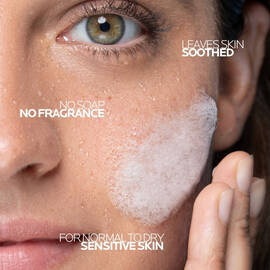
A milk cleanser that’s free from soap, fragrance, and preservatives, the Toleriane Caring Wash Hydrating Cleanser contains a single, well-tolerated surfactant – coco-betaine – that effectively removes dirt and makeup without causing dryness or sensitisation. Meanwhile, niacinamide, vitamin B5, and thermal spring water work together to nourish and protect.
How to use: Take a small amount of this sensitive cleanser and create a lather with wet hands. Gently massage into the face, avoiding the eye area. Rinse without rubbing, then gently pat the skin dry with a soft, clean towel.

Normal-to-combination sensitive skin: Toleriane Foaming Gel Cleanser
For those with sensitive skin that’s prone to an oily T-zone, we recommend the Toleriane Foaming Gel Cleanser. With a skin-balanced pH of 5.5, you can enjoy a refreshing foaming sensation – without drying out skin.
This soap-free and fragrance-free sensitive face wash is enriched with glycerin to help maintain the skin’s moisture balance and keep the complexion soft, supple and comfortable.
How to use: Create a foam in your hands using warm (not hot) water. Massage into your face, avoiding the eye area. Rinse well and gently pat dry.
Dry-to-ultra sensitive skin: Toleriane Gentle Cream Dermo-Cleanser
Dry, ultra-sensitive skin needs extra care and a true minimalist formula to cleanse and remove makeup and other debris.
Toleriane Gentle Cream Dermo-Cleanser contains eight high-tolerance ingredients (including glycerin) to mitigate signs of sensitive skin and keep the skin moisture barrier intact. Once done, rinse its gentle milk texture off – with or without water.
How to use: Using your fingers, gently pat the formula onto your skin, massaging gently in a circular motion. Carefully wipe off with a cotton pad, without rubbing. Alternatively, rinse off and follow with your moisturiser.
After using your cleanser for sensitive skin, the natural next step in your skincare routine is a hydrating serum to counteract redness. Find your perfect serum for sensitive skin, next.
Table of Contents
SHOP THE PRODUCTS IN THIS ARTICLE
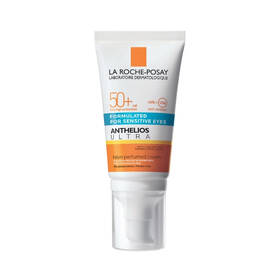


Anthelios Ultra Facial Sunscreen SPF 50+ 50ml
Lightweight Moisturising Sunscreen For Dry Sensitive Skin
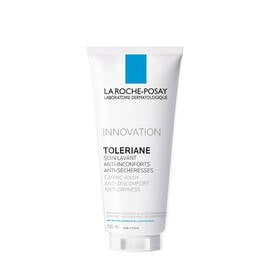

Toleriane Caring Wash Hydrating Cleanser 200ml
Gentle and Hydrating Face Wash & Makeup Remover For Normal To Dry Sensitive Skin
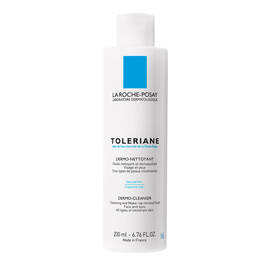

Toleriane Gentle Cream Dermo-Cleanser 200ml
Makeup Remover & Facial Cleanser For Dry, Intolerant, Sensitive Skin


YOUR GUIDE TO CLEANSING SENSITIVE SKIN
Reviewed By Priya Bhatti
3 min read
Beyond simply removing dirt, cleansing plays an important role in balancing and strengthening the skin while enhancing absorption of other skincare ingredients.
For sensitive skin types in particular – who have skin prone to redness, tightness, and discomfort – choosing the right cleanser is crucial. As a baseline, a cleanser for sensitive skin should be able to tackle impurities – without robbing the skin of essential moisture.
Whether your sensitive skin leans towards dry, oily or combination skin characteristics, finding a face wash for sensitive skin, and learning how to correctly cleanse, is the all-important first step towards a comfortable, balanced complexion.
Table of Contents
What is sensitive skin, and what causes it?
Sensitive skin is characterised by heightened sensitivity to products, which results in discomfort, redness, dryness or tightness. Sensitivities can be triggered by certain ingredients in skincare and cosmetics, as well as household products and environmental aggressors.
Some sensitive skin types are an inevitable result of genetically sensitive skin or skin allergy concerns. Skin sensitivity can also occur as a response to excess exposure to environmental aggressors or overuse of skincare products or treatments that compromise the skin’s moisture barrier.
How do you know if you have sensitive skin?
If your skin is overly dry or doesn’t respond well to changes in your skincare habits, it’s a good indicator that you have sensitive skin. For example, if you have a dry sensitive skin type, you might find your skin is overly dry or red after using a face cleanser.
It’s useful to identify your sensitive skin causes – or at least what products trigger redness, tightness, dryness, and tingling sensations in the skin. Patch testing – which involves applying a small amount of product to a discreet area, usually behind the ear or on the inner forearm, and monitoring for a reaction over 24 to 48 hours – different skincare products can also help you rule out triggers.
If you’re unable to determine the individual triggers for your sensitive skin, however, it might be beneficial to consult a dermatologist.
Why is cleansing important for sensitive skin?
Certain ingredients in cleansers can contribute to skin sensitivity, but it’s still important to incorporate cleansing into your skincare routine order to prevent buildup of dead skin cells and impurities such as dirt, oil, and other pollutants. These factors can exacerbate signs of sensitive skin, since they impact the skin’s natural pH and protective moisture barrier.
Freshly cleansed skin can also absorb serums and moisturisers more effectively – which can improve hydration and help comfort sensitive skin types.
5 tips for cleansing sensitive skin
How you cleanse sensitive skin is just as important as the habit itself. Since sensitive skin is prone to water loss, it’s essential to back up your choice of sensitive face wash with caring practices that preserve the integrity of your skin moisture barrier.
Read on for our five expert tips for cleansing sensitive skin.
1. Opt for gentle, hydrating cleansers
Sensitive skin is more susceptible to sensitisation from pollutants and allergens. Because cleanser can dry out the skin, it’s vital to find balanced formulas that nourish sensitive skin.
The most suitable cleanser for sensitive skin should include a mix of hydrating and comforting ingredients. Formulas with a high water concentration and ingredients like glycerin and coco betaine can minimise possible redness and tingling sensations.
2. Avoid cleansers with fragrance and alcohol
Many facial cleansers are formulated with synthetic fragrances (to disguise the chemical odours of other ingredients) and alcohol (to improve a product’s texture and absorption).
However, fragrances and alcohols are notorious triggers, so it’s important to always use a sensitive face wash that’s free from these drying additives.
3. Cut out abrasive exfoliants
Exfoliating cleansers and facial scrubs slough the outer layer of dead skin cells, but those with already sensitive skin might find that exfoliants remove too much of the skin moisture barrier, leaving the skin exposed and even more sensitive.
If your skin is tolerant enough to include an exfoliant, we suggest avoiding physical exfoliants and scrubs and instead look for exfoliating ingredients in your cleansers, like alpha hydroxy acids (AHAs) or LHAs. When cleansing, always use gentle motions and avoid harsh rubbing to minimise skin discomfort.
4. Cleanse morning and night
We recommend using a gentle cleanser for sensitive skin twice daily.
• During the day, the skin faces a barrage of aggressors – like sun, smoke, and pollution – and defence is its main priority.
• At night, the focus shifts to skin cell renewal. By removing dead skin cells, excess oil and impurities – as well as potentially pore-clogging makeup – cleansing before bed helps encourage this renewal process.
5. Prioritise sun protection
Exposure to harmful UV rays can trigger and exacerbate sensitive skin, so sun protection is essential to help maintain your skin moisture barrier. After using your face wash for sensitive skin – along with any hydrating serum and moisturiser – it’s important to apply a broad spectrum sunscreen at the end of your morning routine.
Our pick is the Anthelios Ultra Facial Sunscreen SPF 50+, which is ideal for normal to dry skin types but has been specifically developed for sensitive skin.
To use, apply 20 minutes before sun exposure. Sunscreen is only one part of sun protection so wear protective clothing and seek shade. Avoid prolonged sun exposure, and reapply every two hours: and after swimming, towelling and perspiring in accordance with directions.
How to choose a face wash for sensitive skin
The right facial cleanser will gently remove impurities and debris – without harsh, drying ingredients. Not all sensitive skin is the same, however, and it’s crucial to identify your skin type to choose the right formulation for your skin’s unique needs.
To help you find an effective yet gentle cleanser for sensitive skin, we’re unpacking three key La Roche-Posay cleanser formulas below.
Normal-to-dry sensitive skin: Toleriane Caring Wash Hydrating Cleanser
A milk cleanser that’s free from soap, fragrance, and preservatives, the Toleriane Caring Wash Hydrating Cleanser contains a single, well-tolerated surfactant – coco-betaine – that effectively removes dirt and makeup without causing dryness or sensitisation. Meanwhile, niacinamide, vitamin B5, and thermal spring water work together to nourish and protect.
How to use: Take a small amount of this sensitive cleanser and create a lather with wet hands. Gently massage into the face, avoiding the eye area. Rinse without rubbing, then gently pat the skin dry with a soft, clean towel.
Normal-to-combination sensitive skin: Toleriane Foaming Gel Cleanser
For those with sensitive skin that’s prone to an oily T-zone, we recommend the Toleriane Foaming Gel Cleanser. With a skin-balanced pH of 5.5, you can enjoy a refreshing foaming sensation – without drying out skin.
This soap-free and fragrance-free sensitive face wash is enriched with glycerin to help maintain the skin’s moisture balance and keep the complexion soft, supple and comfortable.
How to use: Create a foam in your hands using warm (not hot) water. Massage into your face, avoiding the eye area. Rinse well and gently pat dry.
Dry-to-ultra sensitive skin: Toleriane Gentle Cream Dermo-Cleanser
Dry, ultra-sensitive skin needs extra care and a true minimalist formula to cleanse and remove makeup and other debris.
Toleriane Gentle Cream Dermo-Cleanser contains eight high-tolerance ingredients (including glycerin) to mitigate signs of sensitive skin and keep the skin moisture barrier intact. Once done, rinse its gentle milk texture off – with or without water.
How to use: Using your fingers, gently pat the formula onto your skin, massaging gently in a circular motion. Carefully wipe off with a cotton pad, without rubbing. Alternatively, rinse off and follow with your moisturiser.
After using your cleanser for sensitive skin, the natural next step in your skincare routine is a hydrating serum to counteract redness. Find your perfect serum for sensitive skin, next.
SHOP THE PRODUCTS IN THIS ARTICLE
Anthelios Ultra Facial Sunscreen SPF 50+ 50ml
Lightweight Moisturising Sunscreen For Dry Sensitive Skin
Toleriane Caring Wash Hydrating Cleanser 200ml
Gentle and Hydrating Face Wash & Makeup Remover For Normal To Dry Sensitive Skin
Toleriane Gentle Cream Dermo-Cleanser 200ml
Makeup Remover & Facial Cleanser For Dry, Intolerant, Sensitive Skin
Stay In Touch
