

- HOME >
- SKINCARE ADVICE >
- SKINCARE INGREDIENTS >
- HUMECTANTS VS EMOLLIENTS VS OCCLUSIVES

Humectants vs Emollients vs Occlusives: What They Are, and How to Use Them in Your Anti-Ageing Routine
Last Updated: 24 September 2026
Humectants, emollients, occlusives – these words are used a lot in skincare advice, but the difference between them isn't always clear.
All three are types of ingredients found in hydrating skincare, like our Hyalu B5 Hyaluronic Acid range. Humectants draw water into the skin, emollients soften how it feels, and occlusives seal that hydration in. A well-rounded anti-ageing routine relies on all three working together – and in the right order.
Below, we break down exactly what humectants, emollients, and occlusives do, which key ingredients to look for, and how to build them into your anti-ageing skincare routine.
Humectants vs emollients vs occlusives: What's the difference?
Humectants, emollients, and occlusives are all moisturising ingredients that deliver hydration to your skin, but in different ways:
|
Type |
What it does |
Common examples |
|
Humectants |
Draw moisture into the outer layer of skin |
Glycerin, hyaluronic acid, aloe vera, panthenol |
|
Occlusives |
Form a barrier that helps reduce moisture loss |
Petrolatum, mineral oil, dimethicone, beeswax |
|
Emollients |
Fill the gaps between skin cells to soften rough, flaky texture |
Squalane, ceramides, jojoba oil, shea butter |
What are humectants?
Humectants are water-attracting ingredients that pull moisture into your skin – often nicknamed "water magnets."
They draw that water from two places:
- The air around you – humectants pull moisture from the environment onto your skin's surface.
- The deeper layers of your skin – humectants also draw water from below the skin to its surface, where you feel it as softness and bounce.
You'll find humectants across all kinds of skincare, with hyaluronic acid – which can draw up to 1,000 times its weight in water into the skin – among the most popular. Our Hyalu B5 Suractivated Hyaluronic Acid Serum uses four different forms of hyaluronic acid, each with a different molecular size, enabling it to hydrate multiple depths of your skin at once.
What are occlusives?
Occlusives form a barrier over the skin that holds moisture in. Unlike humectants, they don't add hydration – they help prevent what's already there from escaping.
Skin loses water continuously through its surface, a process called transepidermal water loss (TEWL). Hot showers, wind, air conditioning, and a damaged skin moisture barrier all speed this up. Occlusives slow it down, keeping hydration in your skin for longer. That makes occlusive skincare ideal for dry skin that naturally struggles to hold onto hydration.
What are emollients?
Emollients are lipid-based ingredients that soften and smooth the skin's surface. Where humectants add water and occlusives seal it in, emollients act on how skin feels to the touch.
Skin's outer layer is held together by natural lipids – ceramides, cholesterol, and fatty acids. When that supply runs low, gaps open between cells, leaving skin rough and prone to flaking. Emollients are the topical version of those lipids: filling the gaps to create a smooth, moisturised feel.
Emollient vs occlusive: what's the difference?
Emollients and occlusives both help your skin hold onto hydration, albeit in different ways.
Occlusives sit on top, forming a barrier that stops moisture escaping; emollients work within the skin's surface, filling gaps between cells to smooth it.
The two are often combined in hydrating skincare – the emollient softens and smooths the skin while the occlusive seals hydration in. But for sensitive skincare routines, emollients are usually the better standalone pick: they mimic skin's own lipids, meaning they're less likely to trap heat or build-up in your skin than a heavier occlusive barrier.
How to use humectants, emollients, and occlusives in an anti-ageing skincare routine
As skin ages, it becomes less efficient at retaining water and its own natural oils. Using humectants, emollients, and occlusives together helps draw hydration in, soften dry texture, and lock that moisture in place.
Read on for our five-step hydrating skincare routine for mature skin.
Step 1: Start with a humectant serum
After cleansing, apply three to four drops of Hyalu B5 Suractivated Hyaluronic Acid Serum to slightly damp skin. Its four-dimensional hyaluronic acid technology and Vitamin B5 act as humectants, drawing hydration into your skin for a visibly plumper, smoother look. Massage it over your face and neck to help visibly tighten neck skin, too.
Step 2: Add targeted anti-ageing actives
In the evening, apply three to four drops of Retinol B3 Anti-Ageing Serum after a hydrating serum. Pure and gradual-release retinol support skin cell turnover, the natural process where older surface cells are shed and replaced with newer ones. This helps improve the appearance of wrinkles and uneven skin tone with consistent use.
Pairing retinol with a hydrating humectant, such as hyaluronic acid, helps maintain moisture and keep skin feeling comfortable as it adjusts.
New to retinol? Read our beginner’s guide to retinol to learn how to introduce it into your routine.
Step 3: Follow with a moisturiser
Once your serums have dried, apply Hyalu B5 Suractivated Cream to your face, neck, and décolletage. It combines humectants, emollients, and occlusives in a single formula, so you get all three benefits in one step. With three forms of hyaluronic acid and Vitamin B5, the formula helps skin look plumper and more supple, with improved firmness and bounce, and hydration that lasts for up to 72 hours1.
1Instrumental test, 23 subjects.
Step 4: Add a more occlusive layer if your skin needs it
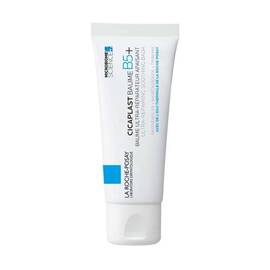
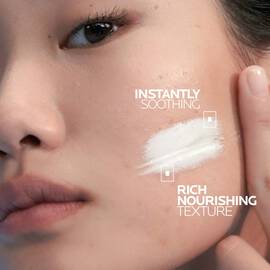
You don't need an extra occlusive layer every day – but if you notice a dry patch, post-breakout dryness, or skin that gets drier over winter, reach for our Cicaplast Baume B5+ Balm Cream, a multi-purpose dry skin cream formulated with 5% vitamin B5 to deeply hydrate the skin, while sitting comfortably on its surface.
Use it as a face or body cream, apply it as a spot treatment on specific areas, or slather it on generously everywhere – even on dry, chapped lips.
Step 5: Always finish your morning routine with sunscreen
A daily sunscreen is a non-negotiable, as UV exposure is a major contributor to visible signs of ageing on your skin.
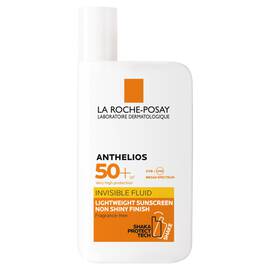
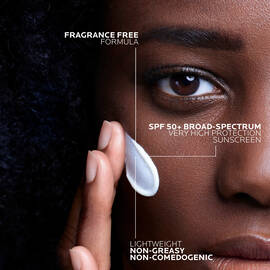
As the final step in your morning skincare routine, apply Anthelios Invisible Fluid Facial Sunscreen SPF 50+ to your neck and face 20 minutes before sun exposure. It provides high UVA and UVB protection in a lightweight, invisible finish that won’t clog your pores.
ALWAYS READ THE LABEL. FOLLOW THE DIRECTIONS FOR USE.
Apply 20 minutes before sun exposure. Sunscreen is only one part of sun protection so wear protective clothing and seek shade. Avoid prolonged sun exposure. Reapply every 2 hours and after swimming, towelling and perspiring in accordance with directions.
Should you apply humectants before emollients and occlusives?
Yes – always apply humectants before emollients and occlusives. Apply them out of order, and the occlusive can block the humectant from absorbing into your skin.
This follows the golden rule of skincare layering: thinnest to richest. Light, water-based formulas need to reach the skin first; heavier, oil-based formulas sit on top to lock it all in.
Now that we've compared humectants vs emollients vs occlusives, next, learn about another powerful anti-ageing skincare duo: peptides and retinol, and how to use them together.
Table of Contents
SHOP THE PRODUCTS IN THIS ARTICLE


Hyalu B5 Suractivated Hyaluronic Acid Serum
Plumping and Hydrating Serum for Fine lines, Wrinkles, Loss of Firmness and Volume


Retinol B3 Anti-Ageing Serum 30ml
Retinol & Niacinamide Serum For Wrinkles, Uneven Skin Tone. Suitable For Sensitive Skin.


HYALU B5 SURACTIVATED CREAM 50ml
3D hyaluronic acid moisturiser with Vitamin B5 for smoother, plumper, hydrated-looking skin
Cicaplast Baume B5+ Balm Cream
Multi-Repairing Hydrating Balm For Dry Skin

Anthelios Invisible Fluid Facial Sunscreen SPF 50+
LIGHTWEIGHT, INVISIBLE EVERYDAY FACE SUNSCREEN FOR SENSITIVE SKIN
RELATED ARTICLES


- HOME >
- SKINCARE ADVICE >
- SKINCARE INGREDIENTS >
- HUMECTANTS VS EMOLLIENTS VS OCCLUSIVES
Humectants vs Emollients vs Occlusives: What They Are, and How to Use Them in Your Anti-Ageing Routine
Last Updated: 24 September 2026
Humectants, emollients, occlusives – these words are used a lot in skincare advice, but the difference between them isn't always clear.
All three are types of ingredients found in hydrating skincare, like our Hyalu B5 Hyaluronic Acid range. Humectants draw water into the skin, emollients soften how it feels, and occlusives seal that hydration in. A well-rounded anti-ageing routine relies on all three working together – and in the right order.
Below, we break down exactly what humectants, emollients, and occlusives do, which key ingredients to look for, and how to build them into your anti-ageing skincare routine.
Table of Contents
Humectants vs emollients vs occlusives: What's the difference?
Humectants, emollients, and occlusives are all moisturising ingredients that deliver hydration to your skin, but in different ways:
|
Type |
What it does |
Common examples |
|
Humectants |
Draw moisture into the outer layer of skin |
Glycerin, hyaluronic acid, aloe vera, panthenol |
|
Occlusives |
Form a barrier that helps reduce moisture loss |
Petrolatum, mineral oil, dimethicone, beeswax |
|
Emollients |
Fill the gaps between skin cells to soften rough, flaky texture |
Squalane, ceramides, jojoba oil, shea butter |
What are humectants?
Humectants are water-attracting ingredients that pull moisture into your skin – often nicknamed "water magnets."
They draw that water from two places:
- The air around you – humectants pull moisture from the environment onto your skin's surface.
- The deeper layers of your skin – humectants also draw water from below the skin to its surface, where you feel it as softness and bounce.
You'll find humectants across all kinds of skincare, with hyaluronic acid – which can draw up to 1,000 times its weight in water into the skin – among the most popular. Our Hyalu B5 Suractivated Hyaluronic Acid Serum uses four different forms of hyaluronic acid, each with a different molecular size, enabling it to hydrate multiple depths of your skin at once.
What are occlusives?
Occlusives form a barrier over the skin that holds moisture in. Unlike humectants, they don't add hydration – they help prevent what's already there from escaping.
Skin loses water continuously through its surface, a process called transepidermal water loss (TEWL). Hot showers, wind, air conditioning, and a damaged skin moisture barrier all speed this up. Occlusives slow it down, keeping hydration in your skin for longer. That makes occlusive skincare ideal for dry skin that naturally struggles to hold onto hydration.
What are emollients?
Emollients are lipid-based ingredients that soften and smooth the skin's surface. Where humectants add water and occlusives seal it in, emollients act on how skin feels to the touch.
Skin's outer layer is held together by natural lipids – ceramides, cholesterol, and fatty acids. When that supply runs low, gaps open between cells, leaving skin rough and prone to flaking. Emollients are the topical version of those lipids: filling the gaps to create a smooth, moisturised feel.
Emollient vs occlusive: what's the difference?
Emollients and occlusives both help your skin hold onto hydration, albeit in different ways.
Occlusives sit on top, forming a barrier that stops moisture escaping; emollients work within the skin's surface, filling gaps between cells to smooth it.
The two are often combined in hydrating skincare – the emollient softens and smooths the skin while the occlusive seals hydration in. But for sensitive skincare routines, emollients are usually the better standalone pick: they mimic skin's own lipids, meaning they're less likely to trap heat or build-up in your skin than a heavier occlusive barrier.
How to use humectants, emollients, and occlusives in an anti-ageing skincare routine
As skin ages, it becomes less efficient at retaining water and its own natural oils. Using humectants, emollients, and occlusives together helps draw hydration in, soften dry texture, and lock that moisture in place.
Read on for our five-step hydrating skincare routine for mature skin.
Step 1: Start with a humectant serum
After cleansing, apply three to four drops of Hyalu B5 Suractivated Hyaluronic Acid Serum to slightly damp skin. Its four-dimensional hyaluronic acid technology and Vitamin B5 act as humectants, drawing hydration into your skin for a visibly plumper, smoother look. Massage it over your face and neck to help visibly tighten neck skin, too.
Step 2: Add targeted anti-ageing actives
In the evening, apply three to four drops of Retinol B3 Anti-Ageing Serum after a hydrating serum. Pure and gradual-release retinol support skin cell turnover, the natural process where older surface cells are shed and replaced with newer ones. This helps improve the appearance of wrinkles and uneven skin tone with consistent use.
Pairing retinol with a hydrating humectant, such as hyaluronic acid, helps maintain moisture and keep skin feeling comfortable as it adjusts.
New to retinol? Read our beginner’s guide to retinol to learn how to introduce it into your routine.
Step 3: Follow with a moisturiser
Once your serums have dried, apply Hyalu B5 Suractivated Cream to your face, neck, and décolletage. It combines humectants, emollients, and occlusives in a single formula, so you get all three benefits in one step. With three forms of hyaluronic acid and Vitamin B5, the formula helps skin look plumper and more supple, with improved firmness and bounce, and hydration that lasts for up to 72 hours1.
1Instrumental test, 23 subjects.
Step 4: Add a more occlusive layer if your skin needs it
You don't need an extra occlusive layer every day – but if you notice a dry patch, post-breakout dryness, or skin that gets drier over winter, reach for our Cicaplast Baume B5+ Balm Cream, a multi-purpose dry skin cream formulated with 5% vitamin B5 to deeply hydrate the skin, while sitting comfortably on its surface.
Use it as a face or body cream, apply it as a spot treatment on specific areas, or slather it on generously everywhere – even on dry, chapped lips.
Step 5: Always finish your morning routine with sunscreen
A daily sunscreen is a non-negotiable, as UV exposure is a major contributor to visible signs of ageing on your skin.
As the final step in your morning skincare routine, apply Anthelios Invisible Fluid Facial Sunscreen SPF 50+ to your neck and face 20 minutes before sun exposure. It provides high UVA and UVB protection in a lightweight, invisible finish that won’t clog your pores.
ALWAYS READ THE LABEL. FOLLOW THE DIRECTIONS FOR USE.
Apply 20 minutes before sun exposure. Sunscreen is only one part of sun protection so wear protective clothing and seek shade. Avoid prolonged sun exposure. Reapply every 2 hours and after swimming, towelling and perspiring in accordance with directions.
Should you apply humectants before emollients and occlusives?
Yes – always apply humectants before emollients and occlusives. Apply them out of order, and the occlusive can block the humectant from absorbing into your skin.
This follows the golden rule of skincare layering: thinnest to richest. Light, water-based formulas need to reach the skin first; heavier, oil-based formulas sit on top to lock it all in.
Now that we've compared humectants vs emollients vs occlusives, next, learn about another powerful anti-ageing skincare duo: peptides and retinol, and how to use them together.
SHOP THE PRODUCTS IN THIS ARTICLE
Hyalu B5 Suractivated Hyaluronic Acid Serum
Plumping and Hydrating Serum for Fine lines, Wrinkles, Loss of Firmness and Volume
Retinol B3 Anti-Ageing Serum 30ml
Retinol & Niacinamide Serum For Wrinkles, Uneven Skin Tone. Suitable For Sensitive Skin.
HYALU B5 SURACTIVATED CREAM 50ml
3D hyaluronic acid moisturiser with Vitamin B5 for smoother, plumper, hydrated-looking skin
Cicaplast Baume B5+ Balm Cream
Multi-Repairing Hydrating Balm For Dry Skin
Anthelios Invisible Fluid Facial Sunscreen SPF 50+
LIGHTWEIGHT, INVISIBLE EVERYDAY FACE SUNSCREEN FOR SENSITIVE SKIN
RELATED ARTICLES
Stay In Touch
