

- HOME >
- SKINCARE ADVICE >
- Anti-Ageing Skin Care >
- Broken Capillaries on the Face

Broken Capillaries on the Face: Causes, Skincare, and How to Get Rid of Spider Veins on Face
Some skin concerns appear seemingly overnight, but others – like broken capillaries on the face – can sneak up on skin over time.
Broken capillaries, colloquially dubbed “spider veins”, are easy to mistake for facial redness or flushing, and they tend to be most noticeable in direct sunlight or after sudden temperature changes. While spider veins are often permanent, there are ample skincare products that can visibly reduce their appearance – while protecting your skin from the known triggers that cause them to form in the first place.
In this guide, we’ll be exploring what causes broken capillaries in the face, and how you can support your skin with preventative habits and targeted skincare.
What are broken capillaries on the face?
Broken capillaries, also known as “telangiectasia1” or “spider veins”, are small, dilated blood vessels that sit beneath the skin surface.
Broken blood vessels can appear anywhere on the body, but when they develop on the face, they are most common on the nose, cheeks, and chin.
These broken blood vessels on the face often look like fine red lines and threads or intricate spiderweb-like patterns, along with general red, blue, or purple discolouration on the skin’s surface. In most cases, this is purely a cosmetic concern, but since broken capillaries on the face do impact skin clarity and tone, they can be a point of insecurity for some.
What causes broken blood vessels on the face?
There are a number of internal and external factors that can cause capillaries to either temporarily or permanently dilate. These include:
• Genetics – lighter or fairer skin types are more susceptible
• Sun damage from cumulative UV exposure
• Extreme temperature shifts that can cause capillaries to dilate and constrict, making them more visible
• Skin conditions that cause facial redness, such as rosacea
• Excessive alcohol consumption
• High oestrogen levels during pregnancy
• Sudden “trauma" or pressure to the skin that can temporarily stretch or rupture capillaries
How to get rid of broken capillaries on the face: 6 supportive skincare and lifestyle tips
While you can’t banish broken capillaries entirely with at-home solutions, there are many supportive skincare ingredients that can diminish their appearance. Minimising your exposure to triggers can also help prevent weakening or dilating your blood vessels.
Read on for six strategies to support your skin and reduce visible spider veins.
1. Wear sunscreen every day
Cumulative UV damage manifests on the skin years or even decades later, so the most effective treatment for broken capillaries on the face is prevention.
Daily sunscreen application can prevent blood vessels from weakening or dilating, as well as stopping existing ones from becoming more noticeable. A broad-spectrum sunscreen also protects against harmful UV rays that break down collagen and elastin and cause skin to thin – exaggerating the appearance of dilated blood vessels.
For your daily UVA and UVB protection, we suggest starting with our guide on choosing a sunscreen for your skin type.
2. Support the skin moisture barrier
A fortified skin moisture barrier is the foundation of resilient skin, so don’t underestimate its importance in preventing and getting rid of broken capillaries on the face.
The skin moisture barrier has the dual responsibility of maintaining skin hydration while protecting deeper, more vulnerable layers of the skin from environmental stressors such as wind, heat, and UV rays.
You can strengthen your skin moisture barrier with a blend of humectants (which attract moisture to the skin) and emollients (which lock moisture in).
We recommend the Toleriane Ultra Dermallergo Hydrating Serum to hydrate skin, reinforce the skin moisture barrier, and reduce visible redness. For especially redness- or rosacea-prone skin, layer the Toleriane Rosaliac AR Moisturiser For Anti-Redness to comfort skin and lock in moisture.
3. Use a vitamin C serum
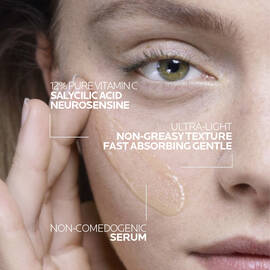
Like SPF, vitamin C can serve as both a targeted and preventative skincare step against broken blood vessels on the face. Vitamin C is a renowned antioxidant that offers photoprotection and stimulates collagen production in the dermis – which helps strengthen weakened capillary walls.
After your morning cleanse, you can apply the Vitamin C 12 Brightening Serum to help protect your skin from the daily stressors that can cause broken capillaries to form.
4. Incorporate niacinamide into your routine
Niacinamide is particularly effective at diminishing facial redness and evening skin tone – which can minimise the appearance of broken capillaries on the face. This ingredient also strengthens the skin moisture barrier, which helps improve your skin’s natural defences against stressors that can weaken blood vessels.
Integrate niacinamide into your daily skincare routine with the Mela B3 Niacinamide Serum for Dark Spots. Suitable for sensitive skin, the powerful formula helps unify skin tone and reduce visible redness.
5. Use a gentle cleanser and avoid harsh scrubs
The skin is quite vulnerable to mechanical damage, which can cause capillaries to weaken or rupture. If you have broken capillaries on the face, it’s important to use a gentle fragrance-free cleanser that doesn’t require harsh rubbing; this will help reduce physical friction on already fragile skin.
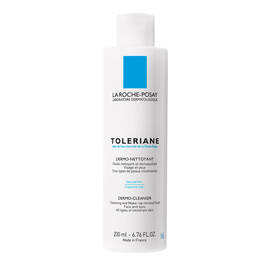
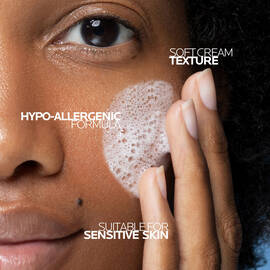
The Toleriane Gentle Cream Dermo-Cleanser is enriched with glycerin and La Roche-Posay Thermal Spring Water to hydrate and comfort skin. Better still, it’s a hypo-allergenic formula that can be rinsed off or removed with a cotton pad or tissue – no harsh rubbing required.
6. Limit your exposure to known triggers
There are many external triggers that cause capillaries to rapidly expand and contract and weaken over time. To prevent broken blood vessels on the face, we suggest limiting your exposure to or avoiding:
• Alcohol – a strong vasodilator (expands blood vessels)
• Moving from extremely cold to extremely hot temperatures
• Smoking – constricts blood vessels and thins skin over time (making broken blood vessels more apparent)
• Squeezing blemishes or cleansing aggressively – this can rupture capillaries
If you’re managing broken capillaries on the face with multiple actives, explore our advice on how to safely layer serums and ingredients.
1https://www.hss.edu/health-library/conditions-and-treatments/telangiectasia-and-autoimmune-disease
SHOP THE PRODUCTS IN THIS ARTICLE
.jpg?sw=270&sfrm=jpg&q=70)

Toleriane Ultra Dermallergo Hydrating Serum 30ml
Peptide Serum For Sensitive Skin Prone To Allergy, Formulated To Reduce Skin Redness & Irritation
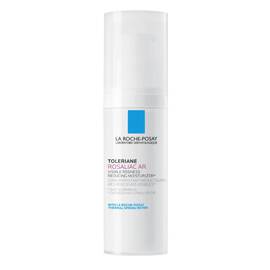
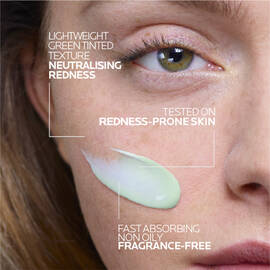

TOLERIANE ROSALIAC AR MOISTURISER FOR ANTI-REDNESS
Anti-Redness Correcting Moisturiser For Sensitive, Redness-Prone Skin Powered By Microbiome Science.
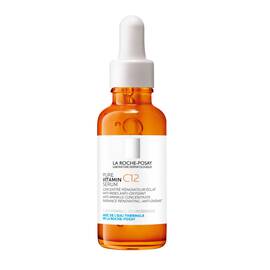
Vitamin C 12 Brightening Serum
Vitamin C Anti-Wrinkle Serum For Sensitive Skin


Mela B3 Niacinamide Serum for Dark Spots
Anti-Hyperpigmentation & Dark Spots Serum
Toleriane Gentle Cream Dermo-Cleanser 200ml
Makeup Remover & Facial Cleanser For Dry, Intolerant, Sensitive Skin
RELATED ANTI-AGEING ARTICLES


- HOME >
- SKINCARE ADVICE >
- Anti-Ageing Skin Care >
- Broken Capillaries on the Face
Broken Capillaries on the Face: Causes, Skincare, and How to Get Rid of Spider Veins on Face
Some skin concerns appear seemingly overnight, but others – like broken capillaries on the face – can sneak up on skin over time.
Broken capillaries, colloquially dubbed “spider veins”, are easy to mistake for facial redness or flushing, and they tend to be most noticeable in direct sunlight or after sudden temperature changes. While spider veins are often permanent, there are ample skincare products that can visibly reduce their appearance – while protecting your skin from the known triggers that cause them to form in the first place.
In this guide, we’ll be exploring what causes broken capillaries in the face, and how you can support your skin with preventative habits and targeted skincare.
What are broken capillaries on the face?
Broken capillaries, also known as “telangiectasia1” or “spider veins”, are small, dilated blood vessels that sit beneath the skin surface.
Broken blood vessels can appear anywhere on the body, but when they develop on the face, they are most common on the nose, cheeks, and chin.
These broken blood vessels on the face often look like fine red lines and threads or intricate spiderweb-like patterns, along with general red, blue, or purple discolouration on the skin’s surface. In most cases, this is purely a cosmetic concern, but since broken capillaries on the face do impact skin clarity and tone, they can be a point of insecurity for some.
What causes broken blood vessels on the face?
There are a number of internal and external factors that can cause capillaries to either temporarily or permanently dilate. These include:
• Genetics – lighter or fairer skin types are more susceptible
• Sun damage from cumulative UV exposure
• Extreme temperature shifts that can cause capillaries to dilate and constrict, making them more visible
• Skin conditions that cause facial redness, such as rosacea
• Excessive alcohol consumption
• High oestrogen levels during pregnancy
• Sudden “trauma" or pressure to the skin that can temporarily stretch or rupture capillaries
How to get rid of broken capillaries on the face: 6 supportive skincare and lifestyle tips
While you can’t banish broken capillaries entirely with at-home solutions, there are many supportive skincare ingredients that can diminish their appearance. Minimising your exposure to triggers can also help prevent weakening or dilating your blood vessels.
Read on for six strategies to support your skin and reduce visible spider veins.
1. Wear sunscreen every day
Cumulative UV damage manifests on the skin years or even decades later, so the most effective treatment for broken capillaries on the face is prevention.
Daily sunscreen application can prevent blood vessels from weakening or dilating, as well as stopping existing ones from becoming more noticeable. A broad-spectrum sunscreen also protects against harmful UV rays that break down collagen and elastin and cause skin to thin – exaggerating the appearance of dilated blood vessels.
For your daily UVA and UVB protection, we suggest starting with our guide on choosing a sunscreen for your skin type.
2. Support the skin moisture barrier
A fortified skin moisture barrier is the foundation of resilient skin, so don’t underestimate its importance in preventing and getting rid of broken capillaries on the face.
The skin moisture barrier has the dual responsibility of maintaining skin hydration while protecting deeper, more vulnerable layers of the skin from environmental stressors such as wind, heat, and UV rays.
You can strengthen your skin moisture barrier with a blend of humectants (which attract moisture to the skin) and emollients (which lock moisture in).
We recommend the Toleriane Ultra Dermallergo Hydrating Serum to hydrate skin, reinforce the skin moisture barrier, and reduce visible redness. For especially redness- or rosacea-prone skin, layer the Toleriane Rosaliac AR Moisturiser For Anti-Redness to comfort skin and lock in moisture.
3. Use a vitamin C serum
Like SPF, vitamin C can serve as both a targeted and preventative skincare step against broken blood vessels on the face. Vitamin C is a renowned antioxidant that offers photoprotection and stimulates collagen production in the dermis – which helps strengthen weakened capillary walls.
After your morning cleanse, you can apply the Vitamin C 12 Brightening Serum to help protect your skin from the daily stressors that can cause broken capillaries to form.
4. Incorporate niacinamide into your routine
Niacinamide is particularly effective at diminishing facial redness and evening skin tone – which can minimise the appearance of broken capillaries on the face. This ingredient also strengthens the skin moisture barrier, which helps improve your skin’s natural defences against stressors that can weaken blood vessels.
Integrate niacinamide into your daily skincare routine with the Mela B3 Niacinamide Serum for Dark Spots. Suitable for sensitive skin, the powerful formula helps unify skin tone and reduce visible redness.
5. Use a gentle cleanser and avoid harsh scrubs
The skin is quite vulnerable to mechanical damage, which can cause capillaries to weaken or rupture. If you have broken capillaries on the face, it’s important to use a gentle fragrance-free cleanser that doesn’t require harsh rubbing; this will help reduce physical friction on already fragile skin.
The Toleriane Gentle Cream Dermo-Cleanser is enriched with glycerin and La Roche-Posay Thermal Spring Water to hydrate and comfort skin. Better still, it’s a hypo-allergenic formula that can be rinsed off or removed with a cotton pad or tissue – no harsh rubbing required.
6. Limit your exposure to known triggers
There are many external triggers that cause capillaries to rapidly expand and contract and weaken over time. To prevent broken blood vessels on the face, we suggest limiting your exposure to or avoiding:
• Alcohol – a strong vasodilator (expands blood vessels)
• Moving from extremely cold to extremely hot temperatures
• Smoking – constricts blood vessels and thins skin over time (making broken blood vessels more apparent)
• Squeezing blemishes or cleansing aggressively – this can rupture capillaries
If you’re managing broken capillaries on the face with multiple actives, explore our advice on how to safely layer serums and ingredients.
1https://www.hss.edu/health-library/conditions-and-treatments/telangiectasia-and-autoimmune-disease
SHOP THE PRODUCTS IN THIS ARTICLE
Toleriane Ultra Dermallergo Hydrating Serum 30ml
Peptide Serum For Sensitive Skin Prone To Allergy, Formulated To Reduce Skin Redness & Irritation
TOLERIANE ROSALIAC AR MOISTURISER FOR ANTI-REDNESS
Anti-Redness Correcting Moisturiser For Sensitive, Redness-Prone Skin Powered By Microbiome Science.
Vitamin C 12 Brightening Serum
Vitamin C Anti-Wrinkle Serum For Sensitive Skin
Mela B3 Niacinamide Serum for Dark Spots
Anti-Hyperpigmentation & Dark Spots Serum
Toleriane Gentle Cream Dermo-Cleanser 200ml
Makeup Remover & Facial Cleanser For Dry, Intolerant, Sensitive Skin
RELATED ANTI-AGEING ARTICLES
Stay In Touch
