


Closed Comedones: Causes, Remedies and Prevention
Closed comedones are a common skin concern. This guide explains their causes, how to treat them, and methods for prevention.

What are closed comedones?
Closed comedones appear as small, white or flesh-colored bumps. They form under the skin and are also known as whiteheads. A hair follicle becomes clogged. Sebum (oil), dead skin cells, and irritants cause this blockage. These bumps feel firm. They can cause redness or discomfort. Closed comedones often appear on the forehead, nose, and chin.

What’s the difference between open and closed comedones?
Both open and closed comedones result from clogged pores. They differ in appearance and formation. Open comedones, known as blackheads, have an open pore. Trapped sebum and dead skin cells oxidize, turning dark. Closed comedones keep the pore opening closed. Sebum and dead skin cells trap beneath the skin surface. This forms a small, white bump. Both types share similar internal and external causes.
What causes closed comedones?
Closed comedones are formed when impurities, oil and dead skin cells build up in the hair follicle. The formation of closed comedones can be influenced by a number of factors both internal and external:
Excess sebum production
Hormonal changes, such as during puberty, menstruation, pregnancy, or menopause, increase sebaceous gland activity. This boosts sebum production, raising the chance of clogged pores. Genetics also affect sebum levels. Oily skin types are more prone to pore clogging.

Buildup of dead skin cells
Skin naturally sheds dead cells. Without regular exfoliation, these cells accumulate. Dry, flaky skin often has more dead cell buildup. These cells, combined with sebum, can cause breakouts.
Comedogenic skincare or cosmetics
Heavy moisturisers, cosmetics, and hair products can transfer to skin. Some contain ingredients that clog pores. Heavy oils or waxes often contribute to this.
Stress and cortisol
The stress hormone, cortisol, increases sebum production. This raises the risk of clogged pores and closed comedones.
Environmental factors
Hot, humid weather increases sweating. Sweat can mix with sebum and dead skin cells, clogging pores. Pollution also irritates skin and contributes to blocked pores.
Certain medications
Certain medications can sometimes contribute to breakouts and an increased production in sebum.

How to get rid of closed comedones
Address existing closed comedones by gently removing dead skin cell and oil buildup. Use a cleanser and skincare ingredients designed for breakouts. A warm compress can comfort skin and reduce redness.
Active ingredients for closed comedones
Exfoliants
Chemical exfoliants, like BHAs, AHAs and LHAs can help unclog pores for clearer skin. It's important to use gentle exfoliants when you notice new closed comedones, as too strong an exfoliant can irritate the skin.
Retinol
If you have blemish-prone skin, retinol can help to speed up skin cell turnover and reveal fresher, clearer skin. Retinol is best used as a long-term solution for persistent breakouts.
Azelaic acid
Azelaic acid can be an effective remedy for closed comedones as it helps exfoliate, promote skin cell turnover, and visibly reduce redness. Azelaic acid is not as strong as other ingredients, but can be a gentle option for people with sensitive skin who aren’t able to tolerate stronger ingredients.
Benzoyl peroxide
Benzoyl peroxide works on closed comedones by acting as an oxidizing agent, flooding pores with oxygen, making it an inhospitable environment for pimple-causing impurities.

How to prevent closed comedones
Here’s our tips for preventing the formation of closed comedones for a clearer, more radiant complexion.
Tailored skincare routine
A tailored skincare routine is an important factor in minimising the occurrence of both open and closed comedones. This includes:
1. Gentle cleanser: Use a gentle, non-comedogenic cleanser. It removes dirt, oil, and makeup. A gentle foaming or gel-to-foam cleanser such as our Effaclar Foaming Gel Cleanser works well for blemish-prone skin.
2. Exfoliating regularly: Regular exfoliation helps remove dead skin cells that can clog pores. Depending on your skin’s tolerance, use an exfoliating cleanser or serum containing alpha-hydroxy acids (AHAs) or beta hydroxy acids (BHAs) 2-3 times a week. We recommend using the Effaclar Anti-Acne Salicylic Acid Serum
3. Moisturising twice a day: Lightweight, non-comedogenic moisturisers effectively hydrate the skin without being too heavy on the skin. Moisturise twice daily with the Effaclar Duo + M Moisturiser to prevent the skin from overproducing sebum to compensate for lack of moisture.
4. Optional skincare: for blemish-prone skin: If you have persistent breakouts, you can incorporate a targeted serum or gel formulated with blemish-fighting ingredients. Ingredients to reduce the occurrence of closed comedones include retinol, salicylic acid, benzoyl peroxide, and azelaic acid (depending on the cause).
Clean bedding and towels
Change your pillowcases and towels frequently to prevent the transfer of bacteria and oil to your face.
Hands off your skin!
Avoid touching your face throughout the day, as this can transfer irritants and dirt to your skin which can then mix with sebum and dead skin cells.
Use clean makeup brushes
Wash your makeup brushes regularly to prevent the buildup of impurities and makeup residue.
Drink plenty of water
Make sure you’re drinking plenty of water to support skin hydration.
Professional advice
If you’re not sure about the root cause or your skincare habits haven’t shown noticeable changes within a few months, speak to a dermatologist for personalised advice and recommendations.
SKINCARE TO MANAGE WHITEHEADS
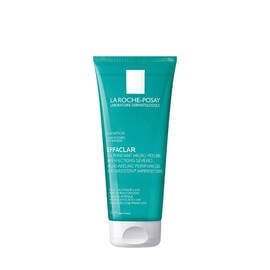
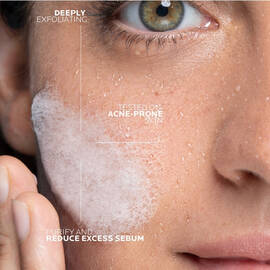

Effaclar Micro-Peeling Purifying Gel Cleanser
Exfoliating cleanser to purify acne-prone skin while visibly reducing pimples and marks
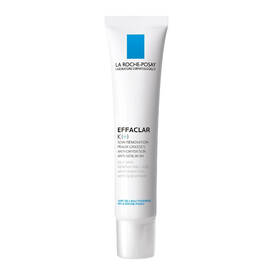
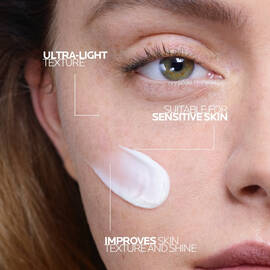
Effaclar K (+) Anti-Blackhead Moisturiser 40ml
Moisturiser For Combination & Oily Skin Types
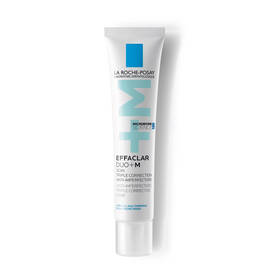
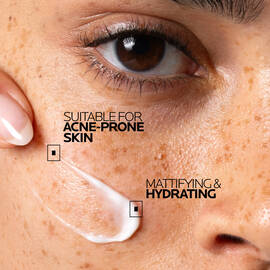
Effaclar Duo+M Anti Imperfections Moisturiser
Anti Imperfections Moisturiser For Oily, Mild Acne-Prone Skin, Powered By Microbiome Science
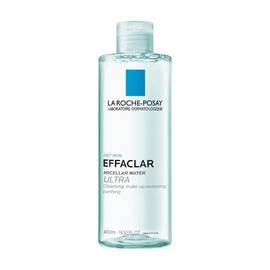
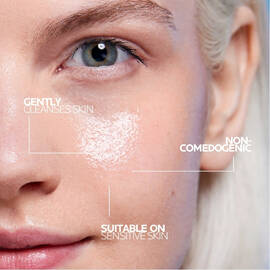
Effaclar Micellar Water Ultra Oily Skin
Makeup Remover & Cleanser For Oily & Acne-Prone Skin
Related Acne Articles


Stay In Touch
