

- HOME >
- SKINCARE ADVICE >
- SKINCARE INGREDIENTS >
- RETINOL AND SALICYLIC ACID: CAN YOU USE THEM TOGETHER?

RETINOL AND SALICYLIC ACID: CAN YOU USE THEM TOGETHER?
On their own, retinol and salicylic acid are two of the most effective ingredients for managing mature skin and acne-prone skin. But just how well do they work together?
Certain skincare ingredients naturally complement each other, but some pairs require a more methodical approach – retinol and salicylic acid are one such pair.
In this guide, we’ll be diving into the benefits and considerations of using salicylic acid with retinol to diminish visible ageing skin concerns and reduce breakouts. Read on to find out how to safely incorporate these powerful actives into your skincare routine.
What does retinol do?
Retinol is a type of retinoid derived from vitamin A. The body doesn’t produce vitamin A on its own, but it can be applied topically – in the form of retinol serums and moisturisers – to address ageing and blemish concerns.
Known for its ability to encourage skin cell turnover, retinol is highly effective for controlling breakouts, smoothing texture, and evening skin tone. Retinol is also used to stimulate collagen synthesis, which helps firm skin and reduce the depth of fine lines and wrinkles.
What does salicylic acid do?
Salicylic acid is classified as a beta hydroxy acid (BHA) – a lipid-soluble chemical exfoliant.
It works by promoting skin cell turnover and dissolving the bonds between dead skin cells that build up on the skin surface. This helps unclog pores, reduce the appearance of enlarged pores, and regulate sebum production. For these reasons, salicylic acid is often considered the gold standard of oily skin and acne-prone skincare.
Can you use salicylic acid with retinol?
Yes, you can use salicylic acid and retinol – but there are limitations.
Individually, retinol and salicylic acid are potent ingredients. Retinol, in particular, is known for increasing skin sensitivity, redness, and dryness in less tolerant skin types. It is possible to use both ingredients, but this combination is best reserved for oily and combination skin types. If you experience blemish-prone skin, it’s best to consider your skin type first to see if this pairing is the right fit for you.
What are the benefits of retinol and salicylic acid?
With a careful approach to application, retinol and salicylic acid can have powerful anti-ageing and anti-acne benefits:
· Salicylic acid deeply penetrates and unclogs pores, while retinol stimulates skin cell turnover to minimise future breakouts.
· Both ingredients encourage skin cell renewal, resulting in a brighter, more even skin tone.
· This duo can be highly effective at fading the appearance of dark spots and post-inflammatory hyperpigmentation.
· Salicylic acid helps resurface skin texture and retinol boosts collagen synthesis, culminating in smoother, firmer skin.
What are the drawbacks of using salicylic acid and retinol together?
Despite their powerful benefits, there are drawbacks to using retinol and salicylic acid. Since salicylic acid exfoliates the skin and retinol stimulates skin cell turnover, misusing both ingredients can lead to over-exfoliation. This may result in redness, flaking, excessive dryness, and stinging sensations – common hallmarks of a damaged skin moisture barrier.
Both ingredients also increase photosensitivity, so using them in the morning can make the skin more susceptible to UV damage.
How to safely use retinol and salicylic acid in your skincare routine
Since retinol and salicylic acid both have potent effects on the skin, it’s important to tread carefully when introducing both ingredients into your skincare routine. By staggering application, introducing the ingredients slowly, and prioritising skin moisture barrier protection, you can safely use salicylic with retinol.
You’ll find our expert application strategies below.
Alternate application days
Retinol and salicylic acid should never be layered one after the other; it’s best to avoid using both ingredients on the same night so that you don’t overwhelm the skin.
Instead, we suggest alternating the nights you apply each ingredient to minimise your chance of skin moisture barrier damage.
Introduce ingredients gradually
Dabbling in powerful actives requires a slow and steady approach – especially when using both retinol and salicylic acid products.
Start by introducing each ingredient one to two times per week, being sure to space out your application nights. During this time, it’s important to monitor your skin for signs of sensitisation like increased dryness, redness, flaking, tightness and itching sensations.
If your skin is responding positively, you can gradually increase usage after a few weeks.
Avoid using too many other actives
Retinol and salicylic acid products are already strong in their own right, so it’s wise to limit your use of other active ingredients in your skincare routine to avoid disrupting the skin moisture barrier. We recommend that you cut out other exfoliating ingredients – such as alpha hydroxy acids – as well as other potent ingredients such as benzoyl peroxide.
Prioritise hydration
Using salicylic acid with retinol has the potential to dry out the skin, so hydration is crucial to maintain balance in the skin and avoid the risk of sensitisation. A nourishing moisturiser blended with a mix of humectants and emollients will help attract and bind moisture to the epidermis.
Our Toleriane Sensitive Riche Prebiotic Cream is formulated with glycerin (a humectant) to impart lasting hydration to skin along with shea butter (an emollient) to reinforce the skin moisture barrier.
For dry, very dry or compromised skin, we recommend a rich formula like the Cicaplast Baume B5+ Balm Cream. This moisturiser is enriched with 5% vitamin B5 (panthenol) for intense hydration and comfort, madecassoside to balance skin and reduce redness, and Tribioma – a unique prebiotic complex to fight against environmental aggressors.
Be strict with SPF application
A byproduct of using both retinol and salicylic acid is that they both increase photosensitivity in the skin – so daily SPF is an absolute must.
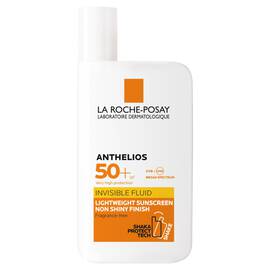
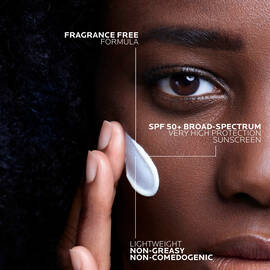
We suggest a very high UVA/UVB protection like Anthelios Invisible Fluid Facial Sunscreen SPF 50+, which protects skin from damaging UV rays while offering a comfortable, non-greasy finish on the skin.
ALWAYS READ THE LABEL AND FOLLOW THE DIRECTIONS FOR USE.
· Apply 20 minutes before sun exposure.
· Sunscreen is only one part of sun protection so wear protective clothing and seek shade
· Avoid prolonged sun exposure.
· Reapply every two hours and after swimming, towelling and perspiring in accordance with directions.
The most important factor to keep in mind when using salicylic acid with retinol is to ensure your skin stays balanced. Next, learn all about the skin microbiome and its role in preventing moisture loss and keeping pollutants out.
Table of Contents
SHOP THE PRODUCTS IN THIS ARTICLE
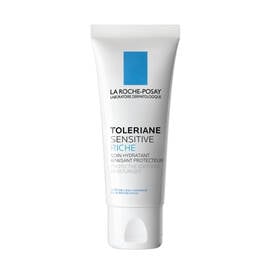
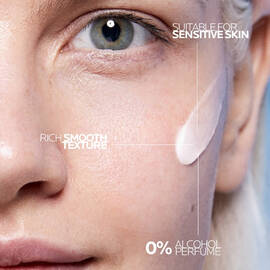

Toleriane Sensitive Riche Prebiotic Cream 40ml
Moisturiser For Face Suitable To Dry, Intolerant Skin
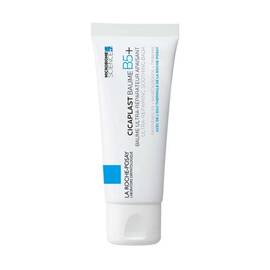
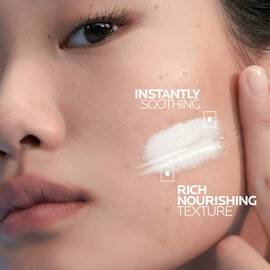
Cicaplast Baume B5+ Balm Cream
Multi-Repairing Hydrating Balm For Dry Skin

Anthelios Invisible Fluid Facial Sunscreen SPF 50+
LIGHTWEIGHT, INVISIBLE EVERYDAY FACE SUNSCREEN FOR SENSITIVE SKIN
RELATED ARTICLES


- HOME >
- SKINCARE ADVICE >
- SKINCARE INGREDIENTS >
- RETINOL AND SALICYLIC ACID: CAN YOU USE THEM TOGETHER?
RETINOL AND SALICYLIC ACID: CAN YOU USE THEM TOGETHER?
On their own, retinol and salicylic acid are two of the most effective ingredients for managing mature skin and acne-prone skin. But just how well do they work together?
Certain skincare ingredients naturally complement each other, but some pairs require a more methodical approach – retinol and salicylic acid are one such pair.
In this guide, we’ll be diving into the benefits and considerations of using salicylic acid with retinol to diminish visible ageing skin concerns and reduce breakouts. Read on to find out how to safely incorporate these powerful actives into your skincare routine.
Table of Contents
What does retinol do?
Retinol is a type of retinoid derived from vitamin A. The body doesn’t produce vitamin A on its own, but it can be applied topically – in the form of retinol serums and moisturisers – to address ageing and blemish concerns.
Known for its ability to encourage skin cell turnover, retinol is highly effective for controlling breakouts, smoothing texture, and evening skin tone. Retinol is also used to stimulate collagen synthesis, which helps firm skin and reduce the depth of fine lines and wrinkles.
What does salicylic acid do?
Salicylic acid is classified as a beta hydroxy acid (BHA) – a lipid-soluble chemical exfoliant.
It works by promoting skin cell turnover and dissolving the bonds between dead skin cells that build up on the skin surface. This helps unclog pores, reduce the appearance of enlarged pores, and regulate sebum production. For these reasons, salicylic acid is often considered the gold standard of oily skin and acne-prone skincare.
Can you use salicylic acid with retinol?
Yes, you can use salicylic acid and retinol – but there are limitations.
Individually, retinol and salicylic acid are potent ingredients. Retinol, in particular, is known for increasing skin sensitivity, redness, and dryness in less tolerant skin types. It is possible to use both ingredients, but this combination is best reserved for oily and combination skin types. If you experience blemish-prone skin, it’s best to consider your skin type first to see if this pairing is the right fit for you.
What are the benefits of retinol and salicylic acid?
With a careful approach to application, retinol and salicylic acid can have powerful anti-ageing and anti-acne benefits:
· Salicylic acid deeply penetrates and unclogs pores, while retinol stimulates skin cell turnover to minimise future breakouts.
· Both ingredients encourage skin cell renewal, resulting in a brighter, more even skin tone.
· This duo can be highly effective at fading the appearance of dark spots and post-inflammatory hyperpigmentation.
· Salicylic acid helps resurface skin texture and retinol boosts collagen synthesis, culminating in smoother, firmer skin.
What are the drawbacks of using salicylic acid and retinol together?
Despite their powerful benefits, there are drawbacks to using retinol and salicylic acid. Since salicylic acid exfoliates the skin and retinol stimulates skin cell turnover, misusing both ingredients can lead to over-exfoliation. This may result in redness, flaking, excessive dryness, and stinging sensations – common hallmarks of a damaged skin moisture barrier.
Both ingredients also increase photosensitivity, so using them in the morning can make the skin more susceptible to UV damage.
How to safely use retinol and salicylic acid in your skincare routine
Since retinol and salicylic acid both have potent effects on the skin, it’s important to tread carefully when introducing both ingredients into your skincare routine. By staggering application, introducing the ingredients slowly, and prioritising skin moisture barrier protection, you can safely use salicylic with retinol.
You’ll find our expert application strategies below.
Alternate application days
Retinol and salicylic acid should never be layered one after the other; it’s best to avoid using both ingredients on the same night so that you don’t overwhelm the skin.
Instead, we suggest alternating the nights you apply each ingredient to minimise your chance of skin moisture barrier damage.
Introduce ingredients gradually
Dabbling in powerful actives requires a slow and steady approach – especially when using both retinol and salicylic acid products.
Start by introducing each ingredient one to two times per week, being sure to space out your application nights. During this time, it’s important to monitor your skin for signs of sensitisation like increased dryness, redness, flaking, tightness and itching sensations.
If your skin is responding positively, you can gradually increase usage after a few weeks.
Avoid using too many other actives
Retinol and salicylic acid products are already strong in their own right, so it’s wise to limit your use of other active ingredients in your skincare routine to avoid disrupting the skin moisture barrier. We recommend that you cut out other exfoliating ingredients – such as alpha hydroxy acids – as well as other potent ingredients such as benzoyl peroxide.
Prioritise hydration
Using salicylic acid with retinol has the potential to dry out the skin, so hydration is crucial to maintain balance in the skin and avoid the risk of sensitisation. A nourishing moisturiser blended with a mix of humectants and emollients will help attract and bind moisture to the epidermis.
Our Toleriane Sensitive Riche Prebiotic Cream is formulated with glycerin (a humectant) to impart lasting hydration to skin along with shea butter (an emollient) to reinforce the skin moisture barrier.
For dry, very dry or compromised skin, we recommend a rich formula like the Cicaplast Baume B5+ Balm Cream. This moisturiser is enriched with 5% vitamin B5 (panthenol) for intense hydration and comfort, madecassoside to balance skin and reduce redness, and Tribioma – a unique prebiotic complex to fight against environmental aggressors.
Be strict with SPF application
A byproduct of using both retinol and salicylic acid is that they both increase photosensitivity in the skin – so daily SPF is an absolute must.
We suggest a very high UVA/UVB protection like Anthelios Invisible Fluid Facial Sunscreen SPF 50+, which protects skin from damaging UV rays while offering a comfortable, non-greasy finish on the skin.
ALWAYS READ THE LABEL AND FOLLOW THE DIRECTIONS FOR USE.
· Apply 20 minutes before sun exposure.
· Sunscreen is only one part of sun protection so wear protective clothing and seek shade
· Avoid prolonged sun exposure.
· Reapply every two hours and after swimming, towelling and perspiring in accordance with directions.
The most important factor to keep in mind when using salicylic acid with retinol is to ensure your skin stays balanced. Next, learn all about the skin microbiome and its role in preventing moisture loss and keeping pollutants out.
SHOP THE PRODUCTS IN THIS ARTICLE
Toleriane Sensitive Riche Prebiotic Cream 40ml
Moisturiser For Face Suitable To Dry, Intolerant Skin
Cicaplast Baume B5+ Balm Cream
Multi-Repairing Hydrating Balm For Dry Skin
Anthelios Invisible Fluid Facial Sunscreen SPF 50+
LIGHTWEIGHT, INVISIBLE EVERYDAY FACE SUNSCREEN FOR SENSITIVE SKIN
RELATED ARTICLES
Stay In Touch
