

- HOME >
- SKINCARE ADVICE >
- WHAT IS FACE STEAMING

What Is Face Steaming? Benefits, Safety Tips and How to Do It Properly
If you’re waging a war against clogged pores, you might have stumbled across your fair share of home remedies – like face steaming. But what does face steaming do?
Face steaming is designed to soften the outer layer of your skin and loosen impurities on the skin surface. However, face steaming isn’t a replacement for your skincare routine. Think of it like an addendum: a way to support the work of products already tailored to your skin type.
When done correctly, there are several advantages of face steaming to support a softer, smoother, more radiant-looking complexion. With that in mind, we’re going to guide you through how face steaming works, if face steaming is good for your skin, and how you can steam safely at home.
What is face steaming?
Face steaming involves exposing the face to warm steam from heated water. At home, this is done by leaning over a large heat-proof bowl filled with boiling water and covering the head with a towel to insulate the steam so it can permeate the face. The purpose of face steaming is to help soften the stratum corneum – the outermost layer of the epidermis – and encourage trapped debris to loosen from the skin surface.
What are the benefits of face steaming?
A face steaming routine can offer several short-term benefits for the skin and, when used as part of a broader skincare ritual, can foster an environment for a smoother, softer, healthier-looking complexion.
Discover four advantages of face steaming below.
Helps soften clogged pores
When pores become clogged with sebum, dirt, sweat, dead skin cells, and bacteria, it can cause blackheads and whiteheads to form on the skin. This buildup can be particularly stubborn to remove, but face steaming can gently encourage pores to soften and loosen trapped debris. This makes it easier to cleanse and exfoliate congested skin – a key benefit for oily and acne-prone skin types (which are particularly susceptible to clogged pores).
Temporarily promotes circulation
Gentle heat from face steaming can help encourage blood circulation in the skin. Heat causes the superficial blood vessels to temporarily dilate, which allows increased blood flow to the surface area of the skin. This can help support the delivery of oxygen and nutrients, which can temporarily contribute to a glowing, healthy-looking complexion and stimulate your body’s natural production of the proteins – namely, collagen and elastin – that are responsible for your skin’s firmness and elasticity.
Improves product absorption
We already know that face steaming can help soften clogged pores and temporarily enhance blood flow, but it can also increase your skin’s permeability (how easily liquids pass through your skin’s outer layers). Combined, these three factors may help certain skincare products absorb more effectively.
Supports hydration
Steam can temporarily provide surface-level hydration to the face by softening the stratum corneum and stimulating blood flow. However, it is not a substitute for hydrating products; it merely works in harmony with them.
Face steaming is most effective when followed by a hydrating serum and a moisturiser. Pair with a serum that’s formulated with humectants like hyaluronic acid or glycerin, since these ingredients hydrate by binding to moisture from the surrounding air (like steam). Following this, a moisturiser will form a nourishing, protective layer over the skin surface to keep skin hydrated and supple for longer.
Does face steaming work for everyone?
While face steaming can benefit certain skin types, it is not suitable for everyone.
Face steaming may temporarily soften excess sebum and make cleansing feel more effective in oily and acne-prone skin.
Bear in mind that too much heat can disrupt your skin’s natural oil flow. In dry skin types, excessive face steaming can remove essential lipids that keep the skin moisturised. In oil-prone skin types, this can dehydrate skin – and, consequently, trigger increased oil production.
People with rosacea, eczema, sensitive skin, active breakouts, or a damaged skin moisture barrier should avoid face steaming as this may cause transepidermal water loss (TEWL) and potentially sensitise the skin further.
How often should I steam my face?
Face steaming should be done in moderation and according to your skin type.
• If you are face steaming for oily skin or acne-prone skin, we recommend two to three times per week to help clear congestion without disrupting sebum production.
• If you are face steaming for dry skin or combination skin, keep to once per week to avoid removing the skin’s natural oils.
How to steam your face safely
Remember, face steaming alone is not enough to support your complexion – it’s just one component of an overarching skincare regime.
Below, we’ve outlined a step-by-step face steaming routine alongside skin moisture barrier-reinforcing products to seal in hydration.
• Cleanse skin to remove all makeup, sunscreen, and impurities.
• Fill a heat-safe bowl with comfortably warm (not boiling) water.
• Keep your face approximately 20 to 30 centimetres from the steam. Be sure to cover your head with a towel to create a loose enclosure around your head and the bowl.
• Stay in this position and steam for around five to ten minutes, then gently pat skin dry with a clean face cloth.
• Apply a hydrating serum like our Hyalu B5 Suractivated Hyaluronic Acid Serum. This serum is enriched with hyaluronic acid and glycerin to powerfully hydrate skin.
• Finish with the Hyalu B5 Suractivated Cream to lock in moisture.
Face steaming can help support acne-prone skin, but we recommend a comprehensive daily ritual with targeted products. Next, explore our guide to building an anti-acne routine for clearer skin.
SHOP PRODUCTS IN THIS ARTICLE


Hyalu B5 Suractivated Hyaluronic Acid Serum
Plumping and Hydrating Serum for Fine lines, Wrinkles, Loss of Firmness and Volume
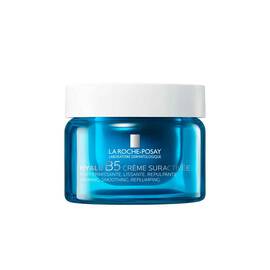
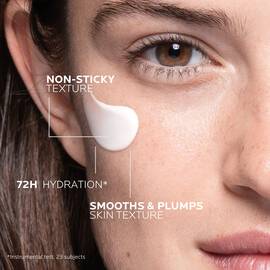
HYALU B5 SURACTIVATED CREAM 50ml
3D hyaluronic acid moisturiser with Vitamin B5 for smoother, plumper, hydrated-looking skin


- HOME >
- SKINCARE ADVICE > >
- WHAT IS FACE STEAMING
What Is Face Steaming? Benefits, Safety Tips and How to Do It Properly
Last Updated: 17 June 2026
If you’re waging a war against clogged pores, you might have stumbled across your fair share of home remedies – like face steaming. But what does face steaming do?
Face steaming is designed to soften the outer layer of your skin and loosen impurities on the skin surface. However, face steaming isn’t a replacement for your skincare routine. Think of it like an addendum: a way to support the work of products already tailored to your skin type.
When done correctly, there are several advantages of face steaming to support a softer, smoother, more radiant-looking complexion. With that in mind, we’re going to guide you through how face steaming works, if face steaming is good for your skin, and how you can steam safely at home.
What is face steaming?
Face steaming involves exposing the face to warm steam from heated water. At home, this is done by leaning over a large heat-proof bowl filled with boiling water and covering the head with a towel to insulate the steam so it can permeate the face. The purpose of face steaming is to help soften the stratum corneum – the outermost layer of the epidermis – and encourage trapped debris to loosen from the skin surface.
What are the benefits of face steaming?
A face steaming routine can offer several short-term benefits for the skin and, when used as part of a broader skincare ritual, can foster an environment for a smoother, softer, healthier-looking complexion.
Discover four advantages of face steaming below.
Helps soften clogged pores
When pores become clogged with sebum, dirt, sweat, dead skin cells, and bacteria, it can cause blackheads and whiteheads to form on the skin. This buildup can be particularly stubborn to remove, but face steaming can gently encourage pores to soften and loosen trapped debris. This makes it easier to cleanse and exfoliate congested skin – a key benefit for oily and acne-prone skin types (which are particularly susceptible to clogged pores).
Temporarily promotes circulation
Gentle heat from face steaming can help encourage blood circulation in the skin. Heat causes the superficial blood vessels to temporarily dilate, which allows increased blood flow to the surface area of the skin. This can help support the delivery of oxygen and nutrients, which can temporarily contribute to a glowing, healthy-looking complexion and stimulate your body’s natural production of the proteins – namely, collagen and elastin – that are responsible for your skin’s firmness and elasticity.
Improves product absorption
We already know that face steaming can help soften clogged pores and temporarily enhance blood flow, but it can also increase your skin’s permeability (how easily liquids pass through your skin’s outer layers). Combined, these three factors may help certain skincare products absorb more effectively.
Supports hydration
Steam can temporarily provide surface-level hydration to the face by softening the stratum corneum and stimulating blood flow. However, it is not a substitute for hydrating products; it merely works in harmony with them.
Face steaming is most effective when followed by a hydrating serum and a moisturiser. Pair with a serum that’s formulated with humectants like hyaluronic acid or glycerin, since these ingredients hydrate by binding to moisture from the surrounding air (like steam). Following this, a moisturiser will form a nourishing, protective layer over the skin surface to keep skin hydrated and supple for longer.
Does face steaming work for everyone?
While face steaming can benefit certain skin types, it is not suitable for everyone.
Face steaming may temporarily soften excess sebum and make cleansing feel more effective in oily and acne-prone skin.
Bear in mind that too much heat can disrupt your skin’s natural oil flow. In dry skin types, excessive face steaming can remove essential lipids that keep the skin moisturised. In oil-prone skin types, this can dehydrate skin – and, consequently, trigger increased oil production.
People with rosacea, eczema, sensitive skin, active breakouts, or a damaged skin moisture barrier should avoid face steaming as this may cause transepidermal water loss (TEWL) and potentially sensitise the skin further.
How often should I steam my face?
Face steaming should be done in moderation and according to your skin type.
• If you are face steaming for oily skin or acne-prone skin, we recommend two to three times per week to help clear congestion without disrupting sebum production.
• If you are face steaming for dry skin or combination skin, keep to once per week to avoid removing the skin’s natural oils.
How to steam your face safely
Remember, face steaming alone is not enough to support your complexion – it’s just one component of an overarching skincare regime.
Below, we’ve outlined a step-by-step face steaming routine alongside skin moisture barrier-reinforcing products to seal in hydration.
• Cleanse skin to remove all makeup, sunscreen, and impurities.
• Fill a heat-safe bowl with comfortably warm (not boiling) water.
• Keep your face approximately 20 to 30 centimetres from the steam. Be sure to cover your head with a towel to create a loose enclosure around your head and the bowl.
• Stay in this position and steam for around five to ten minutes, then gently pat skin dry with a clean face cloth.
• Apply a hydrating serum like our Hyalu B5 Suractivated Hyaluronic Acid Serum. This serum is enriched with hyaluronic acid and glycerin to powerfully hydrate skin.
• Finish with the Hyalu B5 Suractivated Cream to lock in moisture.
Face steaming can help support acne-prone skin, but we recommend a comprehensive daily ritual with targeted products. Next, explore our guide to building an anti-acne routine for clearer skin.
SHOP PRODUCTS IN THIS ARTICLE
Hyalu B5 Suractivated Hyaluronic Acid Serum
Plumping and Hydrating Serum for Fine lines, Wrinkles, Loss of Firmness and Volume
HYALU B5 SURACTIVATED CREAM 50ml
3D hyaluronic acid moisturiser with Vitamin B5 for smoother, plumper, hydrated-looking skin
Stay In Touch
