

- HOME >
- SKINCARE ADVICE >
- INGREDIENTS >
- NIACINAMIDE >
- USING VITAMIN C & NIACINAMIDE

CAN YOU USE NIACINAMIDE AND VITAMIN C IN THE SAME ROUTINE?

Reviewed By Suzanne Nguyen
Yes, you can safely combine niacinamide and vitamin C in your skincare routine. Historical concerns about incompatibility stemmed from 1960s laboratory studies showing potential niacinamide-to-niacin conversion and yellow discoloration when these ingredients were heated together at extremely acidic pH levels. However, modern skincare formulations utilize pH-balanced, temperature-controlled manufacturing processes that eliminate these theoretical interactions. Contemporary dermatological research and clinical experience demonstrate excellent tolerance when using niacinamide and vitamin C together, even for sensitive skin types. (Sources: Journal of Cosmetic Dermatology 2021; International Journal of Cosmetic Science 2019.)

Benefits of combining niacinamide and vitamin C in your routine
· Synergistic skincare benefits: vitamin C provides potent antioxidant protection while niacinamide strengthens skin barrier function and regulates oil production.
· Enhanced brightening efficacy: vitamin C inhibits tyrosinase enzyme activity for melanin reduction, while niacinamide prevents melanin transfer to surface skin cells, targeting hyperpigmentation through complementary pathways.
· Gentler active ingredient combination with minimal irritation risk compared to layering vitamin C with stronger actives like retinoids or chemical exfoliants.

How to Layer Vitamin C and Niacinamide
Step-by-step morning routine
- Morning cleanse: Start your AM skincare routine by washing your face with a gentle, pH-balanced cleanser to remove overnight impurities and prepare skin for active ingredients.
- Apply vitamin C serum: Pat 2–4 drops of L-ascorbic acid or vitamin C derivative serum onto clean, dry skin as the first step in your morning brightening routine.
- Wait for absorption: Allow 60–120 seconds between vitamin C and niacinamide application to ensure optimal morning skincare layering, though this step can be shortened if products absorb quickly.
- Layer niacinamide: Smooth a thin layer of niacinamide serum (2–10%) over your face following the vitamin C step in your sequential morning routine.
- Hydrate with moisturizer: Follow your morning serum steps with a lightweight, non-occlusive moisturizer formulated for your specific skin type.
- Finish with sunscreen: Complete your morning skincare sequence by applying broad-spectrum SPF 50+ as the final step, ensuring daily sun protection for your brightening routine.
Evening variation
Evening application allows for alternative sequencing flexibility: niacinamide followed by vitamin C, or vitamin C followed by niacinamide. Night skincare routines may also utilize single-active approaches, applying only niacinamide or vitamin C during evening sessions. Research demonstrates that nighttime application order variations show equivalent therapeutic outcomes, making consistent nightly usage patterns more clinically significant than specific evening sequence protocols.

What’s difference Between Niacinamide and Vitamin C
Niacinamide Basics
· What it is: Niacinamide is the water-soluble, active form of vitamin B3 (niacin) that penetrates skin barriers effectively for topical skincare applications.
· Key benefits: Regulates sebum production, minimizes enlarged pores, reduces inflammation and visible redness, strengthens skin barrier through ceramide synthesis, and improves skin texture.
· When to use: Niacinamide can be applied morning and evening in skincare routines; concentrations of 2-10% are clinically proven safe for daily use across all skin types.
· Application order: Apply niacinamide serums after water-based toners and essences, but before heavier moisturizers, face oils, and occlusive treatments in your skincare layering sequence.
Vitamin C Basics
· Essential antioxidant properties: Vitamin C (ascorbic acid) neutralizes free radicals from UV exposure and environmental pollutants while promoting collagen synthesis and melanin regulation for brighter, more even skin tone.
· Optimal application timing: Morning application maximizes vitamin C's photoprotective benefits when skin faces daily environmental stressors and UV damage.
· Effective concentration range: L-ascorbic acid at 10–20% concentration provides clinically proven antioxidant protection and skin brightening effects with consistent daily use.

Niacinamide vs. Vitamin C—Do You Need Both?
They work on separate biological pathways, so combining them yields broader skin benefits than choosing one alone.
· Choose vitamin C first if hyperpigmentation and environmental defence are your top priorities.
· Choose niacinamide first if barrier sensitivity, redness, or oiliness are more pressing.
Most dermatologists recommend using both for comprehensive care, provided your skin tolerates them.

Does Hyaluronic Acid Fit?
Hyaluronic acid (HA) is a humectant, so it can be applied before or after vitamin C depending on texture:
· If your HA is a lightweight essence/serum, use it immediately after cleansing, then follow with vitamin C and niacinamide.
· If it is a thicker serum, layer it after vitamin C but before niacinamide.
Either approach draws water into the epidermis, while niacinamide locks that hydration in by reinforcing barrier lipids
Combining Vitamin C with Other Actives
· Vitamin B3 (niacinamide): Creates powerful antioxidant synergy with vitamin C while enhancing skin barrier function and reducing inflammation. This combination maximizes brightening benefits and improves overall skin tolerance.
· Retinol combinations: While both vitamin C and retinol boost collagen production, simultaneous application can destabilize L-ascorbic acid and increase irritation. Optimal layering involves vitamin C serums in morning routines and retinol applications during evening skincare regimens.
· Exfoliating acids (AHA/BHA) layering: Chemical exfoliants can enhance vitamin C penetration but may compromise skin pH levels. Alternate-day application prevents over-exfoliation while maintaining active ingredient efficacy. Always perform patch testing when combining multiple actives.
SHOP THE ARTICLE


Retinol B3 Anti-Ageing Serum 30ml
Retinol & Niacinamide Serum For Wrinkles, Uneven Skin Tone. Suitable For Sensitive Skin.
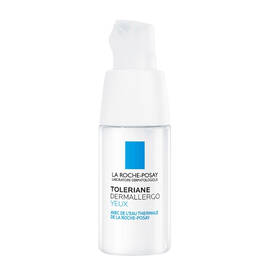
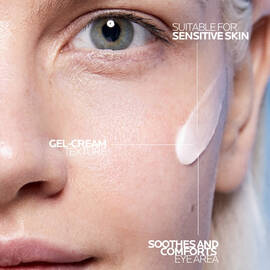
Toleriane Dermallergo Eye Cream For Sensitive Skin 20ml
Eye Cream For Sensitive Or Irritated Eye Contour & Dry Skin
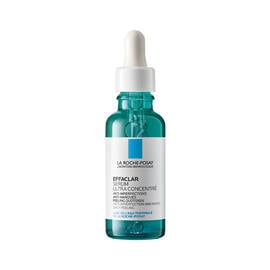
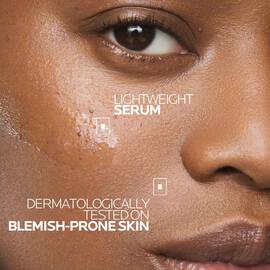
Effaclar Anti-Acne Salicylic Acid Serum
Anti-Imperfections And Anti-Wrinkle Face Serum
RELATED ARTICLES


- HOME >
- SKINCARE ADVICE >
- INGREDIENTS >
- NIACINAMIDE >
- USING VITAMIN C & NIACINAMIDE
CAN YOU USE NIACINAMIDE AND VITAMIN C IN THE SAME ROUTINE?
Reviewed By Suzanne Nguyen
Yes, you can safely combine niacinamide and vitamin C in your skincare routine. Historical concerns about incompatibility stemmed from 1960s laboratory studies showing potential niacinamide-to-niacin conversion and yellow discoloration when these ingredients were heated together at extremely acidic pH levels. However, modern skincare formulations utilize pH-balanced, temperature-controlled manufacturing processes that eliminate these theoretical interactions. Contemporary dermatological research and clinical experience demonstrate excellent tolerance when using niacinamide and vitamin C together, even for sensitive skin types. (Sources: Journal of Cosmetic Dermatology 2021; International Journal of Cosmetic Science 2019.)
Benefits of combining niacinamide and vitamin C in your routine
· Synergistic skincare benefits: vitamin C provides potent antioxidant protection while niacinamide strengthens skin barrier function and regulates oil production.
· Enhanced brightening efficacy: vitamin C inhibits tyrosinase enzyme activity for melanin reduction, while niacinamide prevents melanin transfer to surface skin cells, targeting hyperpigmentation through complementary pathways.
· Gentler active ingredient combination with minimal irritation risk compared to layering vitamin C with stronger actives like retinoids or chemical exfoliants.
How to Layer Vitamin C and Niacinamide
Step-by-step morning routine
- Morning cleanse: Start your AM skincare routine by washing your face with a gentle, pH-balanced cleanser to remove overnight impurities and prepare skin for active ingredients.
- Apply vitamin C serum: Pat 2–4 drops of L-ascorbic acid or vitamin C derivative serum onto clean, dry skin as the first step in your morning brightening routine.
- Wait for absorption: Allow 60–120 seconds between vitamin C and niacinamide application to ensure optimal morning skincare layering, though this step can be shortened if products absorb quickly.
- Layer niacinamide: Smooth a thin layer of niacinamide serum (2–10%) over your face following the vitamin C step in your sequential morning routine.
- Hydrate with moisturizer: Follow your morning serum steps with a lightweight, non-occlusive moisturizer formulated for your specific skin type.
- Finish with sunscreen: Complete your morning skincare sequence by applying broad-spectrum SPF 50+ as the final step, ensuring daily sun protection for your brightening routine.
Evening variation
Evening application allows for alternative sequencing flexibility: niacinamide followed by vitamin C, or vitamin C followed by niacinamide. Night skincare routines may also utilize single-active approaches, applying only niacinamide or vitamin C during evening sessions. Research demonstrates that nighttime application order variations show equivalent therapeutic outcomes, making consistent nightly usage patterns more clinically significant than specific evening sequence protocols.
What’s difference Between Niacinamide and Vitamin C
Niacinamide Basics
· What it is: Niacinamide is the water-soluble, active form of vitamin B3 (niacin) that penetrates skin barriers effectively for topical skincare applications.
· Key benefits: Regulates sebum production, minimizes enlarged pores, reduces inflammation and visible redness, strengthens skin barrier through ceramide synthesis, and improves skin texture.
· When to use: Niacinamide can be applied morning and evening in skincare routines; concentrations of 2-10% are clinically proven safe for daily use across all skin types.
· Application order: Apply niacinamide serums after water-based toners and essences, but before heavier moisturizers, face oils, and occlusive treatments in your skincare layering sequence.
Vitamin C Basics
· Essential antioxidant properties: Vitamin C (ascorbic acid) neutralizes free radicals from UV exposure and environmental pollutants while promoting collagen synthesis and melanin regulation for brighter, more even skin tone.
· Optimal application timing: Morning application maximizes vitamin C's photoprotective benefits when skin faces daily environmental stressors and UV damage.
· Effective concentration range: L-ascorbic acid at 10–20% concentration provides clinically proven antioxidant protection and skin brightening effects with consistent daily use.
Niacinamide vs. Vitamin C—Do You Need Both?
They work on separate biological pathways, so combining them yields broader skin benefits than choosing one alone.
· Choose vitamin C first if hyperpigmentation and environmental defence are your top priorities.
· Choose niacinamide first if barrier sensitivity, redness, or oiliness are more pressing.
Most dermatologists recommend using both for comprehensive care, provided your skin tolerates them.

Does Hyaluronic Acid Fit?
Hyaluronic acid (HA) is a humectant, so it can be applied before or after vitamin C depending on texture:
· If your HA is a lightweight essence/serum, use it immediately after cleansing, then follow with vitamin C and niacinamide.
· If it is a thicker serum, layer it after vitamin C but before niacinamide.
Either approach draws water into the epidermis, while niacinamide locks that hydration in by reinforcing barrier lipids
Combining Vitamin C with Other Actives
· Vitamin B3 (niacinamide): Creates powerful antioxidant synergy with vitamin C while enhancing skin barrier function and reducing inflammation. This combination maximizes brightening benefits and improves overall skin tolerance.
· Retinol combinations: While both vitamin C and retinol boost collagen production, simultaneous application can destabilize L-ascorbic acid and increase irritation. Optimal layering involves vitamin C serums in morning routines and retinol applications during evening skincare regimens.
· Exfoliating acids (AHA/BHA) layering: Chemical exfoliants can enhance vitamin C penetration but may compromise skin pH levels. Alternate-day application prevents over-exfoliation while maintaining active ingredient efficacy. Always perform patch testing when combining multiple actives.
SHOP THE ARTICLE
Retinol B3 Anti-Ageing Serum 30ml
Retinol & Niacinamide Serum For Wrinkles, Uneven Skin Tone. Suitable For Sensitive Skin.
Toleriane Dermallergo Eye Cream For Sensitive Skin 20ml
Eye Cream For Sensitive Or Irritated Eye Contour & Dry Skin
Effaclar Anti-Acne Salicylic Acid Serum
Anti-Imperfections And Anti-Wrinkle Face Serum
RELATED ARTICLES
Stay In Touch
