

- HOME >
- SKINCARE ADVICE >
- DRY, CHAPPED LIPS: CAUSES, PREVENTION & LIP CARE TIPS

Dry, Chapped Lips: Causes, Prevention, and Lip Care Tips
Last Updated: 24 September 2026
Your lips are home to a dense population of nerves1 and significantly thinner than the skin of your face2 – so they can be especially prone to dryness and sensitivity. Dry, chapped lips can range from mild tightness and flaking through to uncomfortable cracking and itching sensations – known as cheilitis1.
Our mouths are almost always in motion, so regardless of where your lips sit on the dry scale, chapped lips can feel particularly bothersome. Dry skin in winter or exposure to allergens are common culprits, but there are other triggers that can also worsen the appearance and feeling of chapped lips.
In this guide, we’ll be covering what causes dry lips, along with our expert lip care tips to comfort chapped lips and prevent this common skin concern in the future.
What do dry, chapped lips look and feel like?
Dry, chapped lips are characterised by a dry or rough texture, often with visible flaking or peeling. However, they can also feel tight, tingly, and sensitive – especially around the lip liner, which may appear noticeably redder than usual.
More severe dry lips can feel uncomfortable when smiling, eating, talking, or otherwise moving the lips. In the most extreme cases, you might notice bleeding in deeper cracked areas of the lips.
What causes dry and chapped lips?
The coloured part of your lips (the vermilion zone4) doesn’t contain oil glands, so the lips are already prone to chapping5, but environmental and behavioural factors can exacerbate this dryness and discomfort. Below are some common causes of dry, chapped lips.
- Cold and dry weather: Low humidity, cold air, and windy weather can increase moisture loss. Exposure to artificial heating and cooling can also compound the problem.
- Licking your lips: Repeated lip licking in place of proper hydration can leave you in a perpetual state of dryness and sensitivity.
- Sun exposure: UV damage from sun exposure can contribute to dryness and discomfort around the lips.
- Scented lip products: Just as some skin types can’t tolerate specific skincare and cosmetic ingredients, certain scented or flavoured lip products can aggravate dry, chapped lips. If a lip product causes tingling or itching sensations, you should discontinue use immediately.
- Dehydration: While dehydration alone isn’t the cause of chapped lips, when your skin is lacking water, it will try and pull it from different sources in the skin – which can dry out the lips further.
- Certain medications or skin concerns: Some medications and underlying skin conditions can contribute to ongoing lip dryness – like isotretinoin and other retinoids, for example.
4https://elementsofmorphology.nih.gov/anatomy-oral.shtml
5https://www.enhance-me-training.com/lessons/anatomy-2/
How to treat and prevent dry, chapped lips: 7 lip care tips
When you have dry, chapped lips, it can be almost impossible to think of anything else. Thankfully, lip care for dry lips can be surprisingly straightforward – you just need to keep your lips moisturised and protected against drying triggers.
Read on for seven tips to care for and prevent dry lips.
1. Apply a moisturising lip balm regularly
A lip balm has two jobs: to hydrate the lip surface and prevent moisture from escaping. Lip balm also acts as your ultimate defence shield against skin stressors like sun, wind, and cold air that all cause chapped lips.
Fragrance-free and designed specifically for dry, cracked lips, Cicaplast Levres Moisturising Lip Balm forms a sheer, comfortable, protective layer over the lips to keep them supple and moisturised for longer. A blend of 5% panthenol and 10% shea butter work together to replenish moisture and prevent water loss in the lip surface. This lip balm can be applied regularly throughout the day as needed.
2. Apply lip balm before bed
Lips often feel drier in the morning because we tend to breathe through our mouths while sleeping. This constant exposure to dry airflow – without any water intake to alleviate dehydration – can leave lips feeling tight, rough, and dry come morning.
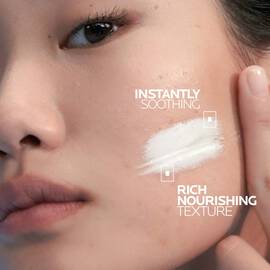
Before you go to sleep, consider applying a Cicaplast Baume B5+ Balm Cream over your face to seal in moisture. This is a fragrance- and lanolin-free barrier repair cream that’s particularly compatible with compromised skin and dry, chapped lips. Then, follow with a generous layer of lip balm to prevent moisture loss overnight.
3. Avoid picking or peeling flaky skin
Although it might be tempting to manually remove dry flakes on the lip surface, picking or over-exfoliating skin can cause further discomfort to already chapped lips. Make sure you avoid pulling at loose skin or aggressively scrubbing dry and cracked lips. Instead, allow consistent moisturising to soften and hydrate skin naturally.
4. Break the lip-licking cycle
Licking dry lips may provide temporary relief, but as the saliva evaporates, lips can simply dry out again. When lip licking becomes a habitual problem, it can create a vicious cycle that often ends up sensitising the thin, delicate skin of the lips.
Lip licking is a type of oral sensory fixation, so, in addition to keeping your lip balm on hand, try replacing this habit with another one – like chewing sugar-free gum or sipping from your water bottle.
5. Protect your lips from the weather
Part of your lip care is minimising your exposure to environmental aggressors that lead to extremely dry lips.
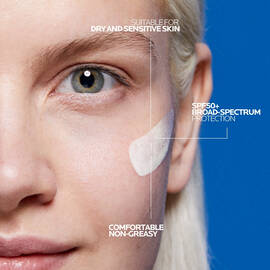
First and foremost: sun protection. Amongst other skin concerns, excessive sun exposure can dry out the lips, so sunscreen should be part of your daily skincare routine – if it isn’t already. We recommend the Anthelios Ultra Facial Sunscreen SPF 50+, a broad-spectrum sunscreen that’s formulated specifically for dry and sensitive skin.
Re-applying lip balm before going outside or into windy conditions helps form a protective barrier over your lips and prevents them from drying or chapping. You might also consider covering the lower half of your face with a scarf in particularly treacherous conditions – though make sure it’s a soft material to avoid friction.
6. Consider a humidifier in very dry environments
Humidity is naturally lower in winter, and cooler months are also the height of our artificial heat exposure – which can wreak havoc on dry lips. However, investing in a humidifier helps combat dry indoor air and prevent moisture loss in lips as well as the rest of your skin.
We also recommend limiting your exposure to artificial heating (and cooling in summer) where possible to limit your chances of transepidermal water loss.
7. Stay hydrated
While the lip surface needs topical moisture, hydration from within can also help prevent your skin from drying out. In addition to your lip care routine, ensure that you drink at least two litres of water per day, adjusting as needed with your physical activity.
If you’re susceptible to dry lips (even with minimal exposure to common triggers), you’re probably struggling to keep your skin hydrated overall. Next, explore our step-by-step skincare routine for dry skin on the face.
SHOP THE PRODUCTS IN THIS ARTICLE


Cicaplast Levres Moisturising Lip Balm 7.5ml
Hydrating & Protective Lip Balm
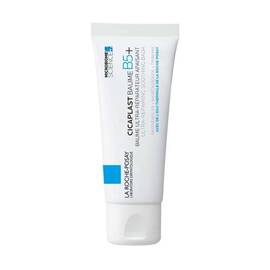
Cicaplast Baume B5+ Balm Cream
Multi-Repairing Hydrating Balm For Dry Skin
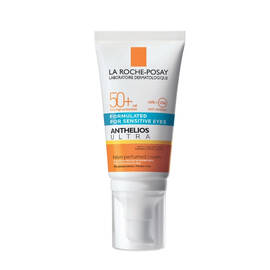

Anthelios Ultra Facial Sunscreen SPF 50+ 50ml
Lightweight Moisturising Sunscreen For Dry Sensitive Skin
RELATED ARTICLES


- HOME >
- SKINCARE ADVICE >
- DRY, CHAPPED LIPS: CAUSES, PREVENTION & LIP CARE TIPS
Dry, Chapped Lips: Causes, Prevention, and Lip Care Tips
Last Updated: 24 September 2026
Your lips are home to a dense population of nerves1 and significantly thinner than the skin of your face2 – so they can be especially prone to dryness and sensitivity. Dry, chapped lips can range from mild tightness and flaking through to uncomfortable cracking and itching sensations – known as cheilitis1.
Our mouths are almost always in motion, so regardless of where your lips sit on the dry scale, chapped lips can feel particularly bothersome. Dry skin in winter or exposure to allergens are common culprits, but there are other triggers that can also worsen the appearance and feeling of chapped lips.
In this guide, we’ll be covering what causes dry lips, along with our expert lip care tips to comfort chapped lips and prevent this common skin concern in the future.
What do dry, chapped lips look and feel like?
Dry, chapped lips are characterised by a dry or rough texture, often with visible flaking or peeling. However, they can also feel tight, tingly, and sensitive – especially around the lip liner, which may appear noticeably redder than usual.
More severe dry lips can feel uncomfortable when smiling, eating, talking, or otherwise moving the lips. In the most extreme cases, you might notice bleeding in deeper cracked areas of the lips.
What causes dry and chapped lips?
The coloured part of your lips (the vermilion zone4) doesn’t contain oil glands, so the lips are already prone to chapping5, but environmental and behavioural factors can exacerbate this dryness and discomfort. Below are some common causes of dry, chapped lips.
- Cold and dry weather: Low humidity, cold air, and windy weather can increase moisture loss. Exposure to artificial heating and cooling can also compound the problem.
- Licking your lips: Repeated lip licking in place of proper hydration can leave you in a perpetual state of dryness and sensitivity.
- Sun exposure: UV damage from sun exposure can contribute to dryness and discomfort around the lips.
- Scented lip products: Just as some skin types can’t tolerate specific skincare and cosmetic ingredients, certain scented or flavoured lip products can aggravate dry, chapped lips. If a lip product causes tingling or itching sensations, you should discontinue use immediately.
- Dehydration: While dehydration alone isn’t the cause of chapped lips, when your skin is lacking water, it will try and pull it from different sources in the skin – which can dry out the lips further.
- Certain medications or skin concerns: Some medications and underlying skin conditions can contribute to ongoing lip dryness – like isotretinoin and other retinoids, for example.
4https://elementsofmorphology.nih.gov/anatomy-oral.shtml
5https://www.enhance-me-training.com/lessons/anatomy-2/
How to treat and prevent dry, chapped lips: 7 lip care tips
When you have dry, chapped lips, it can be almost impossible to think of anything else. Thankfully, lip care for dry lips can be surprisingly straightforward – you just need to keep your lips moisturised and protected against drying triggers.
Read on for seven tips to care for and prevent dry lips.
1. Apply a moisturising lip balm regularly
A lip balm has two jobs: to hydrate the lip surface and prevent moisture from escaping. Lip balm also acts as your ultimate defence shield against skin stressors like sun, wind, and cold air that all cause chapped lips.
Fragrance-free and designed specifically for dry, cracked lips, Cicaplast Levres Moisturising Lip Balm forms a sheer, comfortable, protective layer over the lips to keep them supple and moisturised for longer. A blend of 5% panthenol and 10% shea butter work together to replenish moisture and prevent water loss in the lip surface. This lip balm can be applied regularly throughout the day as needed.
2. Apply lip balm before bed
Lips often feel drier in the morning because we tend to breathe through our mouths while sleeping. This constant exposure to dry airflow – without any water intake to alleviate dehydration – can leave lips feeling tight, rough, and dry come morning.
Before you go to sleep, consider applying a Cicaplast Baume B5+ Balm Cream over your face to seal in moisture. This is a fragrance- and lanolin-free barrier repair cream that’s particularly compatible with compromised skin and dry, chapped lips. Then, follow with a generous layer of lip balm to prevent moisture loss overnight.
3. Avoid picking or peeling flaky skin
Although it might be tempting to manually remove dry flakes on the lip surface, picking or over-exfoliating skin can cause further discomfort to already chapped lips. Make sure you avoid pulling at loose skin or aggressively scrubbing dry and cracked lips. Instead, allow consistent moisturising to soften and hydrate skin naturally.
4. Break the lip-licking cycle
Licking dry lips may provide temporary relief, but as the saliva evaporates, lips can simply dry out again. When lip licking becomes a habitual problem, it can create a vicious cycle that often ends up sensitising the thin, delicate skin of the lips.
Lip licking is a type of oral sensory fixation, so, in addition to keeping your lip balm on hand, try replacing this habit with another one – like chewing sugar-free gum or sipping from your water bottle.
5. Protect your lips from the weather
Part of your lip care is minimising your exposure to environmental aggressors that lead to extremely dry lips.
First and foremost: sun protection. Amongst other skin concerns, excessive sun exposure can dry out the lips, so sunscreen should be part of your daily skincare routine – if it isn’t already. We recommend the Anthelios Ultra Facial Sunscreen SPF 50+, a broad-spectrum sunscreen that’s formulated specifically for dry and sensitive skin.
Re-applying lip balm before going outside or into windy conditions helps form a protective barrier over your lips and prevents them from drying or chapping. You might also consider covering the lower half of your face with a scarf in particularly treacherous conditions – though make sure it’s a soft material to avoid friction.
6. Consider a humidifier in very dry environments
Humidity is naturally lower in winter, and cooler months are also the height of our artificial heat exposure – which can wreak havoc on dry lips. However, investing in a humidifier helps combat dry indoor air and prevent moisture loss in lips as well as the rest of your skin.
We also recommend limiting your exposure to artificial heating (and cooling in summer) where possible to limit your chances of transepidermal water loss.
7. Stay hydrated
While the lip surface needs topical moisture, hydration from within can also help prevent your skin from drying out. In addition to your lip care routine, ensure that you drink at least two litres of water per day, adjusting as needed with your physical activity.
If you’re susceptible to dry lips (even with minimal exposure to common triggers), you’re probably struggling to keep your skin hydrated overall. Next, explore our step-by-step skincare routine for dry skin on the face.
SHOP THE PRODUCTS IN THIS ARTICLE
Cicaplast Levres Moisturising Lip Balm 7.5ml
Hydrating & Protective Lip Balm
Cicaplast Baume B5+ Balm Cream
Multi-Repairing Hydrating Balm For Dry Skin
Anthelios Ultra Facial Sunscreen SPF 50+ 50ml
Lightweight Moisturising Sunscreen For Dry Sensitive Skin
RELATED ARTICLES
Stay In Touch
