

- HOME >
- SKINCARE ADVICE >
- SKINCARE INGREDIENTS >
- YOUR GUIDE TO NIACINAMIDE IN SKINCARE

Acne-prone Skin in Teenagers: Causes, Types, and Treatment
Did you know that around 80% of teenagers experience acne-prone skin throughout puberty1? That means if you or your teenager is dealing with breakouts, you’re most certainly not alone. But as common as this skin concern can be, it can still feel very distressing – especially if you don’t know what your options are.
That’s why below, we’re walking you through the different types of acne that occur on teenage skin, what might be causing your or your teenager’s breakouts, and which La Roche-Posay products can help you achieve smoother, clearer skin.
1https://pmc.ncbi.nlm.nih.gov/articles/PMC5788264/What causes acne-prone skin in teenagers?
Persistent adolescent breakouts are attributable to several factors. Everyone’s skin is a unique and people begin puberty at different rates, so what causes acne can vary between one skin type and another. Generally, teenage breakouts can occur any time between ages 10 and 192.
Find out what might be causing your acne-prone skin below.
2https://www.sciencedirect.com/science/article/pii/S0365059622002240Hormonal changes
Once you hit puberty, your body starts producing different hormones – namely androgens, which includes hormones like testosterone.
Androgens have many effects on the body in both boys and girls, and this hormonal surge creates the perfect storm for acne to form on the skin.
Overactive sebaceous glands
Androgens communicate directly with sebaceous glands, telling them to produce more oil. As a result, puberty can kick your sebum production into overdrive – which causes pores to become blocked with a mixture of sebum and dead skin cells. Blocked pores are a breeding ground for acne-causing bacteria.
Genetics
Many skin concerns have a genetic component, and studies have shown that a family history of acne-prone skin can also put you at higher risk of developing acne-prone skin yourself. The degree of your acne-prone skin may also be influenced by genetic factors – like your body’s autoimmune response3.
3https://pmc.ncbi.nlm.nih.gov/articles/PMC10473401/Diet
While not the sole cause of acne, there is emerging evidence to suggest that diet may influence the extent of acne-prone skin in teenagers. High glycaemic index foods (like white bread, and sugary snacks and drinks), dairy, and processed foods may exacerbate your skin’s inflammatory response – which can impact acne.
Stress
There has long been a causal relationship between stress and skin concerns. And, while not the root cause of acne-prone skin, stress can play a role. Adolescence can often be a period of heightened stress, so it’s common for this to exacerbate existing acne.
Lifestyle triggers
Like diet and stress, lifestyle factors can influence the extent of your acne – even though they aren’t a direct cause. Heavy makeup, poor cleansing habits, sweaty environments (from sports for example), and even hair products brushing against your forehead can increase sebum production on the skin.
Types of acne in teenagers: what to look out for
There are many different types of acne in teenage skin. You might experience a few occasional spots, or many large, prominent acne.
Correctly identifying your acne can help illuminate remedy pathways, so we’ve broken down some common pimple types to get you started.
Whiteheads and blackheads (comedonal acne)
Whiteheads and blackheads are the result of clogged pores. When dirt, sebum, and dead skin cells mingle inside the pore, it creates a blockage – known as a comedo.
- Blackheads are known as ‘open’ comedones: the pore is open and exposed to oxygen, which causes it to turn black.
- Whiteheads are closed comedones: meaning the pore is closed over, with the blockage trapped beneath the skin surface.
Papules and pustules (inflammatory)
These types of acne are generally considered ‘moderate’.
- Papules are raised but have no visible centre and feel solid to the touch. They can be exacerbated by external aggressors like fragrances, harsh scrubs, and heavy makeup.
- Pustules are the result of bacteria entering the pore, which can disturb the area and cause redness and discomfort.
Cysts and nodules (severe acne)
The most extreme type of acne-prone skin, cysts and nodules are large pus-filled lumps under the skin surface. These types of acne are red, deep and may be tender to the touch. Cysts and nodules are known to cause lasting textural changes to the skin as well as post-acne hyperpigmentation.
Acne on back/chest instead of face
In addition to the many pores on your face, there are pores all over your body. Two areas that have the highest concentration of pores are the back and chest.
Like face acne, chest and back pimples are caused by clogged pores. Sweat, tight clothing, and sports gear can all contribute to blocked pores in these areas.
A simple skincare routine for acne-prone teenage skin
Acne can easily knock your confidence and, if left unchecked, can last several years. Mistreatment can be common in teens, which may contribute to long-term textural and visible skin concerns. An effective skincare routine is vital for managing acne-prone skin, but it’s also important to avoid overloading your skin with products – as this may damage your skin moisture barrier and exacerbate existing acne concerns.
Following a strict ritual might seem like a chore, but, with consistency, your skin will thank you for it. Continue reading for our morning and evening anti-acne skincare routines.
Morning routine
Your morning skincare routine for acne prone skin can comprise three steps: cleansing, moisturising, and applying SPF.
- Apply a gentle soap-free cleanser: You can wash your face using the Effaclar + M Purifying Foaming Gel Cleanser. Specifically formulated for acne-prone skin, this cleanser helps visibly reduce imperfections and unclog pores while maintaining the skin’s natural pH balance.
- Nourish with a light, non-comedogenic moisturiser: After cleansing, apply the Effaclar Duo+M Anti Imperfections Moisturiser. This anti-acne moisturiser deeply hydrates while reducing the appearance of blackheads, pimples, and post-acne marks. This moisturiser is suitable for ages 10+, making it ideal for teenage skin.
- Protect with SPF: Opt for a lightweight, non-greasy, acne-friendly sunscreen like the Anthelios Invisible Fluid Facial Sunscreen SPF 50+. This sunscreen provides high UVA/UVB protection while delivering an invisible finish that won’t clog pores.
Evening routine
While your morning routine will focus more on protection from daily external stressors, your evening skincare ritual is about targeting concerns while your skin is in overnight replenishing mode.
- Cleanse again with a gentle formula: Cleansing morning and night is essential. Makeup, dirt, oil, and sweat can all buildup on the skin throughout the day, potentially contributing to breakouts. Wash your face thoroughly with your cleanser – you may even opt for a second cleanse.
- Apply your targeted treatment: This might be benzoyl peroxide or adapalene – ensure that you have consulted with your skincare professional before applying any topical treatments with strong active ingredients.
- Hydrate with a comforting moisturiser: This final step will help you nourish your skin and minimise discomfort.
How to choose skincare products for teenagers with acne-prone skin
With so many anti-acne skincare at your disposal, narrowing your selection down to a handful of products might seem overwhelming. So, we’ve formulated a handy checklist you can refer to when sourcing your skincare.
Below are some terms you can look out for.
- Non-comedogenic skincare (and makeup): helps prevent clogged pores
- Oil-free formulas: limits excess oil on the skin surface
- Alcohol-free or low alcohol: reduces discomfort and dryness
- Fragrance-free and hypoallergenic: mitigates potential sensitivity
- Dermatologically tested: products that have undergone rigorous testing to minimise sensitisation
- pH-balanced: maintains the skin microbiome and the skin moisture barrier
Acne in teenagers: when to see a doctor or dermatologist
There might be times where skincare products can’t sufficiently clear up your breakouts. You might need to consult a doctor or dermatologist if:
- Acne is tender or uncomfortable with potential for permanent post-acne marks
- Over-the-counter products haven’t helped after two months
- Acne is affecting your self-esteem or mental health
- You’ve tried multiple products with no visible results
Remember, no matter how extensive your teenage acne is, there are effective acne treatments and products out there. The key is to get professional advice and stick to your prescribed management plan.
Acne-prone skin is incredibly common in teenage skin, but it can also appear well into adulthood. Next, explore our 101 guide to adult acne and how to manage them.
SHOP THE PRODUCTS IN THIS ARTICLE
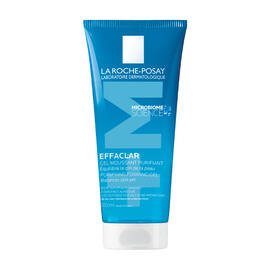
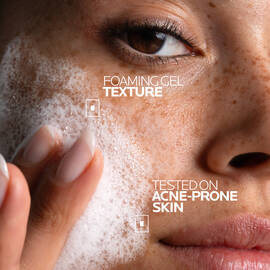

Effaclar + M Purifying Foaming Gel Cleanser
Purifying foaming cleanser that rebalances the skin's microbiome to remove impurities and visibly reduce imperfections.
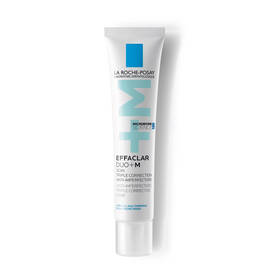
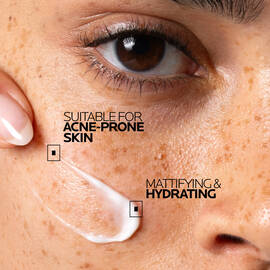
Effaclar Duo+M Anti Imperfections Moisturiser
Anti Imperfections Moisturiser For Oily, Mild Acne-Prone Skin, Powered By Microbiome Science
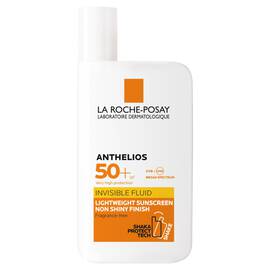
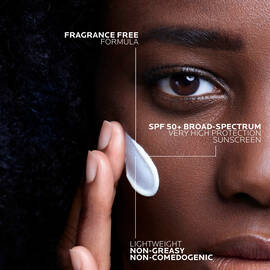

Anthelios Invisible Fluid Facial Sunscreen SPF 50+
LIGHTWEIGHT, INVISIBLE EVERYDAY FACE SUNSCREEN FOR SENSITIVE SKIN
RELATED ACNE ARTICLES


Stay In Touch
